Silence of International Human Rights Bodies Exposes Six Political Prisoners in Iran to Further ‘Deliberate Crime’
Wednesday, March 2, 2022 — The continued treatment of political prisoners and civil activists requiring medical care and treatment by the authorities, from deliberate refusal to grant these detainees medical leave to denying them access to medication and medical services, sets the stage for repeated “deliberate crimes.”
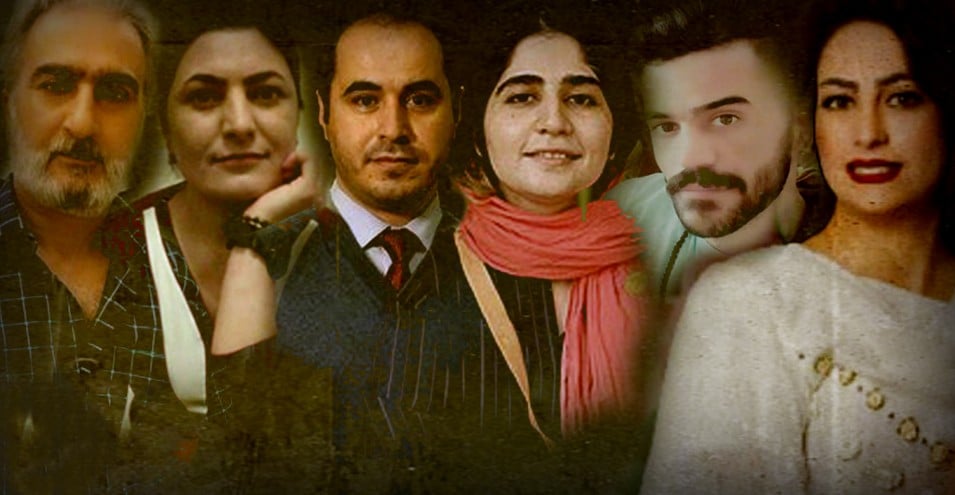
The deteriorating physical condition and health of Soheila Hejab, Sepideh Qolian, Zeinab Jalalian, Arsham Razai, and Abbas Vahedian Shahrudi in recent days have put the lives of these imprisoned political and civil activists in serious danger. The continuation of such treatment by the judiciary toward political and ideological detainees is a clear example of the systematic behavior and policy of the Islamic Republic of Iran’s government in dealing with political and ideological prisoners and their elimination and suppression. There is concern that with the continuation of current conditions for these political prisoners requiring treatment and immediate medical attention, the tragedy of the “murder” of Baktash Abtin, poet and filmmaker imprisoned in Evin Prison, may be repeated.
Hadi Ghaisomi, director of the Campaign for Human Rights in Iran, referring to political and ideological prisoners whom the authorities have deliberately deprived of treatment and medical care, said: “These individuals, each of whom represents the voice of a large group of voiceless people in Iranian society, are being sacrificed in this unjust judicial system and its security structure. This very issue doubles the necessity for international bodies and organizations to pay attention to them and follow up on the health status of these detainees.”
According to Hadi Ghaisomi, “The responsibility for the lives of sick political prisoners requiring treatment and medical care rests directly with the Iranian government, and judicial authorities must, regardless of the inhumane demands of security officials, act as quickly as possible to release these prisoners.”
The Campaign for Human Rights in Iran considers the government’s treatment and the imposition of doubled pressure on political and ideological detainees, from the deliberate refusal of judicial authorities to grant medical leave to prisoners to deliberate delay in providing medical care to them, as a complete manifestation of the design and planning of the criminal act of “murder,” using all means to implement it. The Campaign for Human Rights in Iran calls on international bodies responsible in the field of human rights, as well as the UN Special Rapporteur on the situation of human rights in Iran, to condemn the conduct of judicial authorities toward political prisoners requiring medical services and treatment and to force government authorities to stop the process of gradual killing of ideological and political detainees. The silence of the international community in the face of inhumane and unjust treatment of political and ideological prisoners requiring treatment and medical services is the main desire of the Islamic Republic’s government and an opening of their hands to continue applying pressure on detainees and repeating further deliberate crimes.
Concerns Over Deteriorating Physical Condition of Several Political and Ideological Prisoners
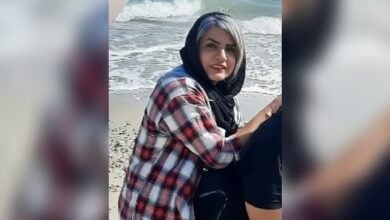
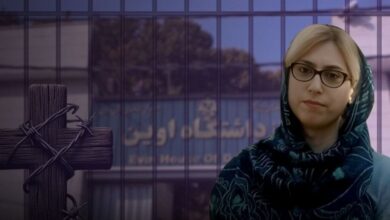
In recent days, reports have been published about the illness and deteriorating condition of several political and ideological prisoners in Iran. On Thursday, February 24, 2022, Soheila Hejab, a political prisoner, was transferred from the women’s ward of Kermanshah Reformatory and Rehabilitation Center to the hospital following her deteriorating condition. Previously, Ms. Hejab had contracted COVID-19 in Kermanshah Prison, but due to the “absence of a specialist doctor” and “closure of health services,” her treatment process was halted. On Saturday, February 26, Abbas Vahedian Shahrudi, a teacher and civil activist imprisoned in Mashhad Prison, was transferred to the hospital due to his poor physical condition, but hours later, despite being ill and his treatment being incomplete, he was returned to detention by security personnel. During Vahedian Shahrudi’s hospitalization, security and custody personnel prevented him from contacting his family. On Sunday, February 27, the physical condition of Arsham (Mahmoud) Razai, a civil activist imprisoned in Rajai Shahr Prison in Karaj, deteriorated on the twenty-first day of his hunger strike. Arsham Razai has begun a hunger strike and medication boycott in protest of the lack of medical attention and refusal to grant him medical leave. On Monday, February 28, reports emerged about the deterioration of Sepideh Qolian’s physical condition, a civil activist imprisoned in Bushehr Prison, following her contraction of COVID-19. Despite considerable concerns about Ms. Qolian’s physical condition and repeated attempts by her family, her release has not been approved. Similarly, on Tuesday, March 1, reports emerged about the deterioration of Zeinab Jalalian’s physical condition, a political prisoner sentenced to life imprisonment. Zeinab Jalalian has been imprisoned for fourteen years without a single day of leave and has been denied medical treatment rights despite multiple illnesses.
This comes at a time when examining the cases of these prisoners and the legal proceedings of these detainees shows how groundless and under the orders of security bodies the issuance of long-term prison sentences for political and ideological prisoners has been.
In addition to these cases, the abduction of Hossein Ronaghi, a civil activist, and the imposition of security pressures on him and his family, including several days of no contact and uncertainty about the detaining body and prevention of his release, demonstrate the free rein of security bodies in dealing with civil, political, and ideological activists. The arrest (abduction) of Hossein Ronaghi occurred at a time when this civil activist faces numerous physical problems and for this reason should not have been subjected to imprisonment based on Article 502 of the Code of Criminal Procedure allowing exemption from punishment due to inability to bear it. Nevertheless, from the moment of his arrest until now, he has begun a hunger strike in protest of this unlawful action. Hossein Ronaghi’s abduction was due to his criticism of the plan to limit internet access in Iran (known as the “Etemad” or Protection Plan). Ronaghi had written on his Twitter page, “If you cannot write the truth about the Protection Plan and internet censorship, do not sprinkle dirt on the truth.” Ronaghi emphasized that “the Protection Plan was a decision of the entire system based on the views and wishes of the leader of the Islamic Republic of Iran.”
Source: Campaign for Human Rights in Iran