Steel Industry Suffers Heavy Losses Due to Recent Truckers’ Strike
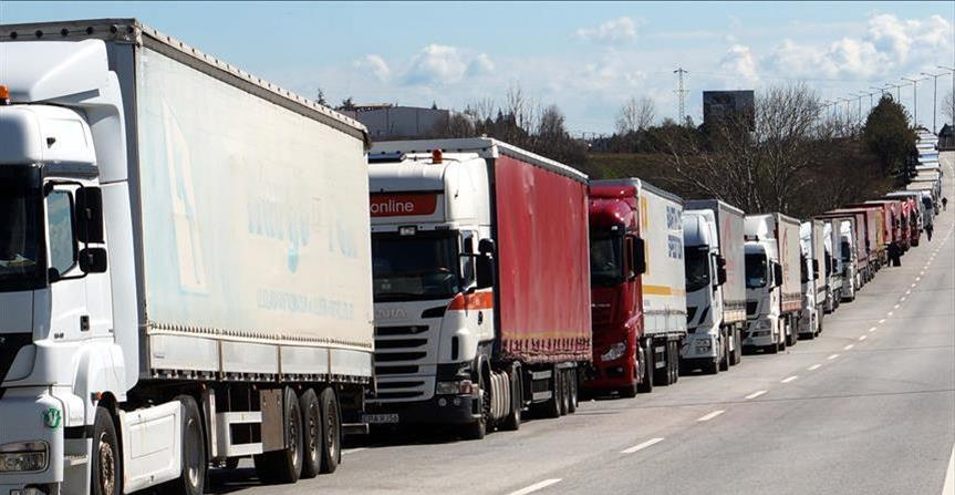
Nationwide truckers’ strikes across Iran have caused severe damage to Iran’s industries, including the steel sector.
Following nationwide protests in Iran and boycotts by people refusing to purchase certain products, Iranian truckers also began striking in support of the people and their protests, with the number of strikers increasing daily.
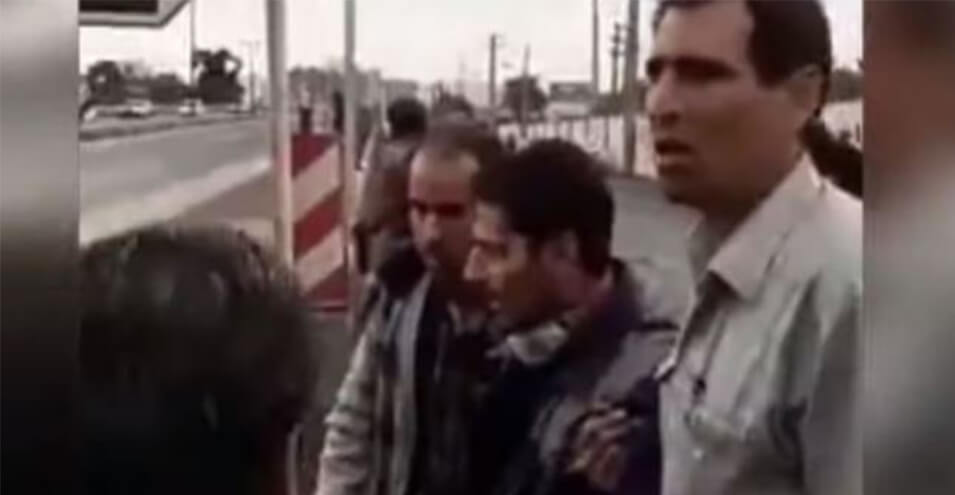
A video posted by a citizen from Aksyn Ferroalloy Company (a subsidiary of Isfahan Steel Melting Company) on social media shows that the company’s raw materials are running out due to the truckers’ strike. The company uses charcoal for producing ferrosilicon, which is the raw material for this alloy. Due to the truckers’ strike and the lack of charcoal delivery, the company has been secretly cutting down pine trees around the steel mill at night and using them for melting in the furnace.
Ferrosilicon is an alloy of iron and silicon that is produced by heating, reducing, and melting iron ore and silica (quartz) using carbon, mainly in electric arc furnaces at temperatures of 2400 degrees.
The largest consumers of ferrosilicon in the country are steel manufacturing plants, which account for approximately 38,000 tons of the total annual ferrosilicon consumption. Foundries (such as Poladir Casting Company) are also consumers of this material, and when including steel manufacturers’ consumption, the country’s total consumption reaches approximately 50,000 tons.
Before the establishment of domestic production companies, the country’s need for ferroalloys, including ferrosilicon, was entirely met through imports. However, today, with the establishment of ferroalloy factories and the expansion of the ferroalloy industry in the country, while meeting part of the domestic need for ferrosilicon, it is also possible to export ferroalloys.
However, with the truckers’ strike due to protests that have occurred in Iran for approximately three months, raw materials are not reaching these production factories. If these strikes continue, the country’s economic backbone will be broken. As a result, not only will all consumers lack this product, but the country’s export hub will also be destroyed.
Truckers, knowing that engaging in these strikes might cost them their jobs and income, have nevertheless started and continued this strike in support of the protests and the overthrow of the Islamic Republic regime.
However, the question remains: How long will these strikes continue? Will other truckers working in various sectors such as textiles, food, oil, and gas join these strikes to achieve victory in the popular revolution against the Islamic Republic regime?