“Striking” Statistics of AIDS Among Iranian Teenagers
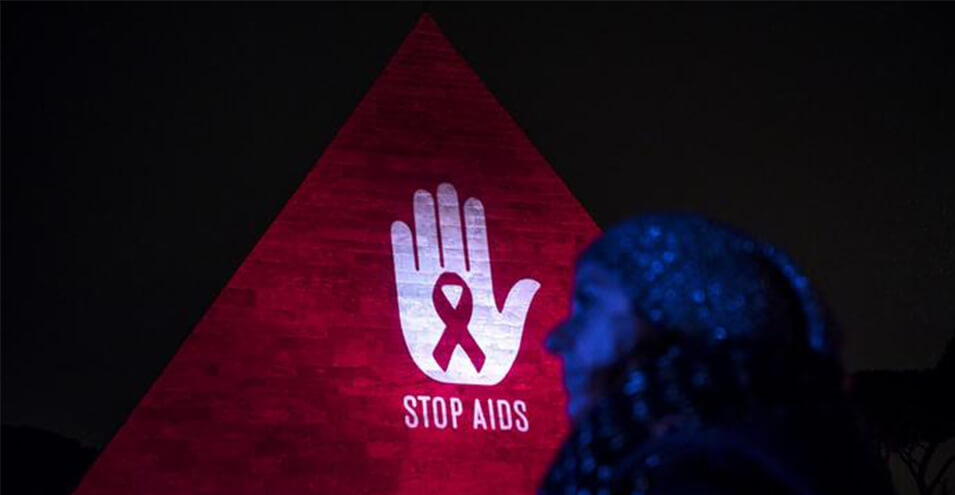
The head of Iran’s AIDS Research Center says fear of moral corruption and weak public awareness in education have increased the rate of AIDS infection among teenagers. Minu Mahraz recommends using social networks to raise public awareness.
A few years ago, 97 percent of AIDS patients in Iran were men, but with a tenfold increase in infected women, the ratio of female to male patients has become closer. Minu Mahraz, head of Iran’s AIDS Research Center, stated this reality: “The number of men with AIDS was higher than women, but after AIDS among intravenous drug users was controlled and harm reduction was implemented, the existing epidemic, like in other countries, shifted toward transmission through sexual contact, which is why the number of women with AIDS has increased.”
He points out that prostitution and casual relationships are not the cause of the tenfold increase in AIDS among women; rather, establishing legitimate and normal contact between infected individuals increases AIDS transmission.
This member of the Academy of Medical Sciences considers negligence and weak public awareness bodies as the main factors in the spread of AIDS in Iran, and criticizes the poor performance of the state broadcasting organization and various radio networks.
Minu Mahraz suggests using cyberspace to raise public awareness about AIDS. He criticizes the silence and weak approach of the Ministry of Education toward raising awareness among teenagers, saying that when he speaks with teenagers with AIDS, they express ignorance about how transmission occurs and the ways the disease spreads: “Unfortunately, some believe that educating teenagers and raising their awareness about AIDS is moral corruption and will have other consequences, so they prefer not to discuss it. But the problem is that not addressing this dangerous disease causes teenagers to enter risky relationships unknowingly, and as a result, unfortunately, AIDS statistics among teenagers have grown significantly. However, officials in educational sectors always prefer to remain silent and deny this important issue, which is very destructive.”
Many citizens, despite free AIDS testing centers available in cities, do not visit them. The head of the AIDS Research Center says there is no other way to identify infected people, and people are unwilling to take tests due to lack of awareness about risky behaviors. Some people “fear being stigmatized and subjected to incorrect judgments.”
A member of Iran’s Academy of Medical Sciences expressed regret that public ignorance about AIDS has prevented families from being safe from the disease’s harm: “Unfortunately, people who have been married for years and have grown children are now contracting AIDS.”
Minu Mahraz stated that among organizations and administrative bodies, only the Ministry of Health has done its job properly in the field of AIDS. He recalled that the AIDS problem is not purely a health issue, and social problems also contribute to the spread of this problem: “Thirty years have passed since the AIDS epidemic, and if other institutions had cooperated and taken action, we would be in a better situation and be further ahead.”
At the seventh national AIDS seminar in Iran, the number of AIDS patients was announced as 66,000 people. Most patients are between 25 and 40 years old, and the main route of virus transmission for the past two years has been sexual contact.
Source: DW