Suppression of Mourning and Demands for Freedom: A Critique of Continued Political Detention in the Islamic Republic
The suppression of mourning and demands for freedom have once again drawn attention to political detentions and violations of human dignity in Iran.
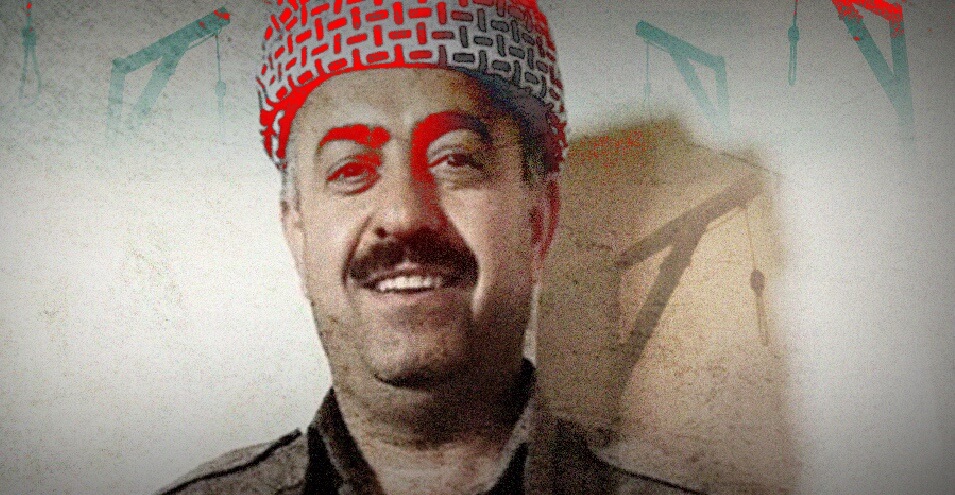
In the wake of a new wave of political and security arrests in Iran, reactions to the government’s treatment of commemoration ceremonies and peaceful civil activities have intensified. The detention of participants in a memorial service for the late Khosrow Alikordi in Mashhad has once again raised the fundamental question of why even mourning and human sympathy are transformed into security offenses in the Islamic Republic.
Khosrow Alikordi was a lawyer and recognized human rights activist who spent years advocating for political prisoners, prisoners of conscience, and victims of injustice. His memorial service, which was held peacefully, was met with severe security reactions and resulted in the widespread detention of civil activists, journalists, and human rights workers—an action that many observers have assessed as a clear violation of the rights to freedom of assembly, expression, and human dignity.
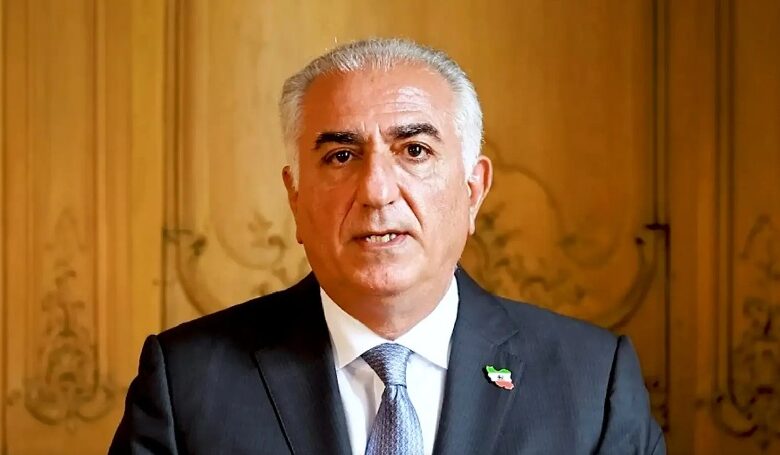
In this regard, Prince Reza Pahlavi, in a recent video message, while condemning these detentions, called for the immediate and unconditional release of all detainees and urged human rights organizations to launch international campaigns for their freedom. In this message, he emphasized the moral responsibility of the international community in the face of systematic repression in Iran.
Prince Reza Pahlavi stated in this message: “As I said in my recent video message to my compatriots and the brave people of Mashhad, each and every individual detained at the memorial service of the late Khosrow Alikordi must be released unconditionally. We continue to follow up on this matter, and I urge all human rights institutions and groups to launch campaigns for the freedom of the following individuals: Ali Adinezadeh, Abolfattah Abri, Hasty Amiri, Akbar Amini, Mohammad Reza Babaei, Javad Jalali, Haidar Chah Chemandi, Hamed Hosseini, Nora Haghighi (Vahideh Haghparest), Mahmoud Khan Ali, Amir Khavari, Mohammad Ali Dehastan, Hamed Rasolkhani, Mahdi Rasolkhani, Hamed Zarei, Mohammad Zanganeh, Milad Fattah, Zahra (Raha) Sharifi, Javad Alikordi, Sepideh Qolian, Narges Mohammadi, Aliyeh Motallebzadeh, Poran Nazemi, Tayebeh Nazari, Amin Vosughiniya.”
The detention of figures such as Narges Mohammadi, Sepideh Qolian, and other recognized human rights activists demonstrates a recurring pattern in the behavior of Iran’s government; a pattern in which any independent civil action, even in the form of mourning or commemoration, is interpreted as a threat to the system’s security.
From a Christian and theological perspective, this approach is clearly in contradiction with the fundamental principles of human dignity, freedom of conscience, and the right to truth-seeking; principles that are emphasized not only in Christian teachings but also in international human rights documents. Churches and Christian institutions have repeatedly warned that a government that fears peaceful assembly and the commemoration of the dead is, in fact, afraid of the power of truth.
At a time when the Islamic Republic is attempting to silence the voice of justice-seeking through repression and intimidation, the call for the unconditional release of detainees is not merely a political demand, but a moral cry for the defense of humanity, conscience, and justice. The indifference of the international community to such cases would mean the normalization of oppression and the continuation of the cycle of repression.