Trigger Mechanism or War: Islamic Republic at Crossroads Between Survival and Confrontation
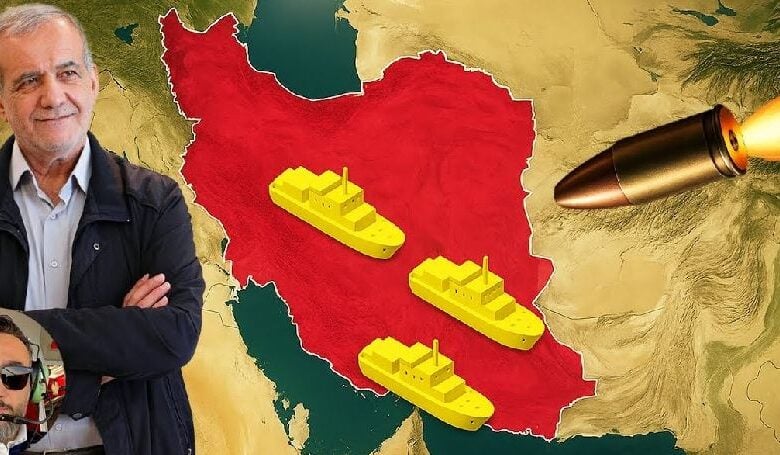
The trigger mechanism or war has placed the Islamic Republic at a crossroads of confrontation with sanctions and international pressures.
The explicit warning by three European signatories to the JCPOA to the UN Secretary-General regarding the activation of the “trigger mechanism” by the end of August indicates the end of Western diplomatic patience with the Islamic Republic’s nuclear program. This legal instrument, if activated, would reinstate all international sanctions lifted in 2015; sanctions that could push Iran’s crisis-ridden economy further toward collapse.
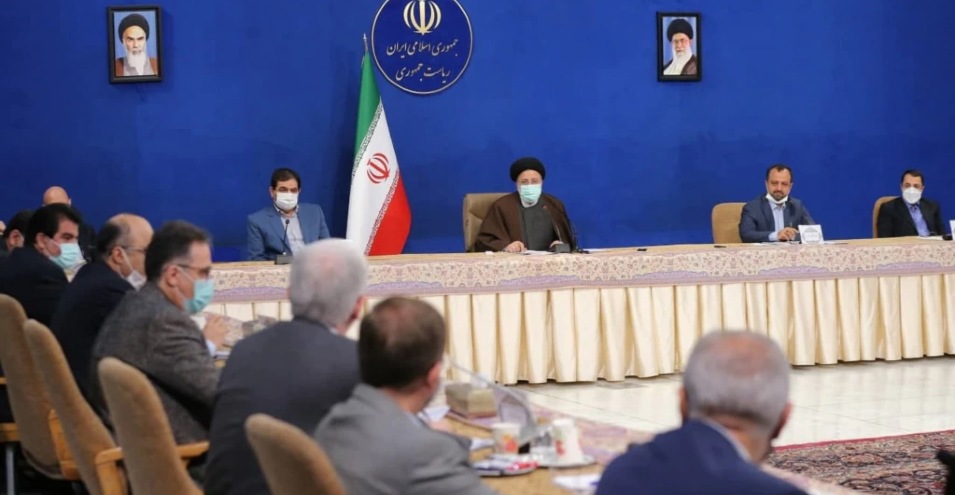
The rejection of a six-month extension of the nuclear agreement, continued enrichment at levels beyond JCPOA limits, and refusal to allow IAEA inspectors back into Iran demonstrate that the ruling establishment continues to insist on a policy of “symbolic resistance”—a policy that appears to be resistance in appearance but in practice has put the country on a path of complete isolation. The apparent disagreement among Islamic Republic officials—ranging from accepting temporary limitations in exchange for sanctions relief to hardline positions against zero enrichment—indicates a fracture and confusion in decision-making.
Beyond its borders, Israel, through joint military and security exercises titled “Dawn,” is actively preparing itself for a renewed attack on Iran’s nuclear and missile infrastructure. This comes as European officials warn that Tehran’s continued course could not only trigger the activation of the trigger mechanism, but could lead to full-scale military confrontation—a war that would endanger Middle Eastern stability and even southern Europe.
Under such circumstances, Europe’s pressure to reinstate sanctions cannot be viewed merely as a punitive measure, but also as a preventive effort to perhaps, through economic and political pressure, prevent a military attack by Israel and force Tehran to return to direct negotiations with the United States.
However, the Islamic Republic now faces a real dilemma: either tactical retreat in its nuclear and missile program in hopes of reducing pressure, or continued confrontation, which would result in nothing but escalating sanctions, diplomatic isolation, and the danger of war. Recent statements by Masoud Pezeshkian about the necessity of negotiations in coordination with Ali Khamenei indicate the ruling establishment’s awareness of the depth of the crisis, but experience has shown that even on the brink of danger, the system’s priority is preserving the power structure and continuing costly policies rather than the welfare and security of the people.