UN: Nearly 80 Million People Displaced Worldwide
According to a report by the UN High Commissioner for Refugees, the number of displaced people worldwide has doubled over the past decade. War, terrorism, and economic collapse are among the main causes of displacement. Germany is the fifth largest host country for refugees.
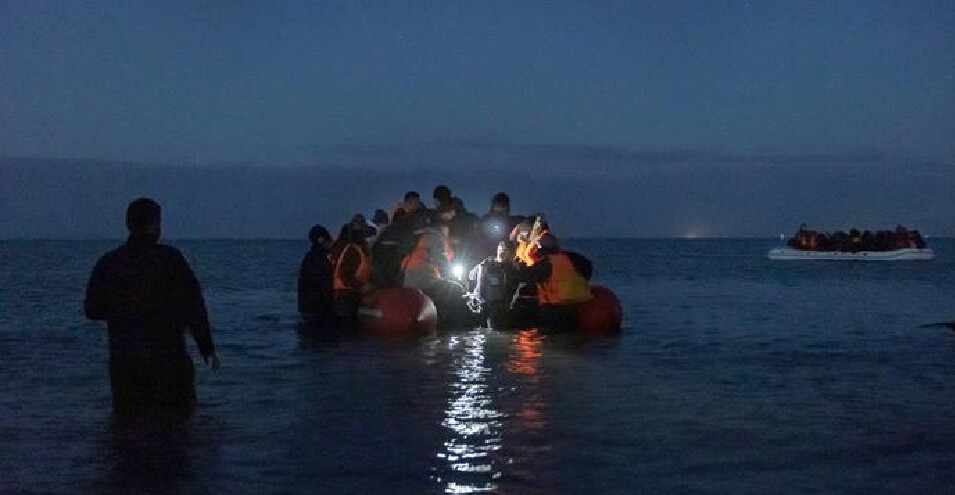
Nearly 80 million people worldwide have been forced to leave their homes and livelihoods due to wars and severe conflicts, fear of terrorism and violence, as well as economic collapse and poverty.
According to a new report released on Thursday, June 18, 2020 by the UN High Commissioner for Refugees (UNHCR), the number of displaced people worldwide reached 79.5 million in 2019. This is the highest number of displaced people in the world to date and represents approximately one percent of the world’s population.
According to the UN agency’s report, the number of displaced people worldwide increased by approximately 9 million compared to 2018. The UN High Commissioner for Refugees has now been researching and studying the number of refugees and displaced people worldwide for 70 years.
The UN High Commissioner for Refugees cited Syria’s internal wars and Venezuela’s economic and political turmoil as the largest factors in increasing the number of displaced people worldwide last year. Refugees and displaced persons have been forced to flee their homes due to war or persecution within domestic borders, that is, within the boundaries of their own country.
According to this report, by the end of last year approximately 29.5 million people fled to other countries worldwide, and 45.7 million people were displaced within their own country. The number of internally displaced people in countries also increased by approximately 4.5 million.
The number of asylum seekers whose status has not yet been decided has also increased by more than 4 million (approximately 20 percent compared to 2018) compared to one year prior.
Doubling of Displaced Population in Ten Years
The number of displaced people worldwide in 2010 was reported by the UN High Commissioner for Refugees at approximately 40 million. Currently, this number has doubled. According to the agency, the main cause of the dramatic increase in displacement is internal conflicts, particularly wars in Syria, South Sudan, and Yemen.
Filippo Grandi, UN High Commissioner for Refugees, said regarding the increase in the number of displaced people over the past 10 years: “We are witnessing a different reality that is no longer a short-term and temporary phenomenon.” According to him, displaced persons have been living in camps for years without hope of return and without clear prospects.
Grandi said: “We need a fundamental, positive, and new approach to dealing with displacement, and we must also more decisively address the causes of the immense suffering of these people.”
More than two-thirds of refugees who have fled their countries of residence are from five countries worldwide. Among these displaced persons, approximately 6.5 million are from Syria, 3.7 million from Venezuela, 2.7 million from Afghanistan, 2.2 million from South Sudan, and more than 1 million from Myanmar.
The largest number of refugees in the world live in Turkey (more than 3.5 million). After that, Colombia (nearly 2 million) and Pakistan and Uganda (approximately 1.5 million) are the world’s largest host countries for displaced persons.
Refugees in Europe and Germany
According to the UN High Commissioner for Refugees, Europe hosts less than 10 percent of the world’s displaced population. Given the increase in the number of displaced people worldwide and including statistics on internally displaced persons, this percentage has decreased to approximately 24.3 percent overall.
Germany remains the fifth largest host country for refugees. Approximately 1 million 150 thousand people are registered as asylum seekers in this country. This number is approximately 83 thousand more than last year. This is mainly due to individuals who had previously been in Germany and whose files have recently been processed.
On this basis, the number of asylum seekers in Germany last year decreased by approximately 60 thousand and reached 309 thousand.
Source: DW