UN Reporter Warns Islamic Republic Against Using Post-Military Conflict Period for Repression
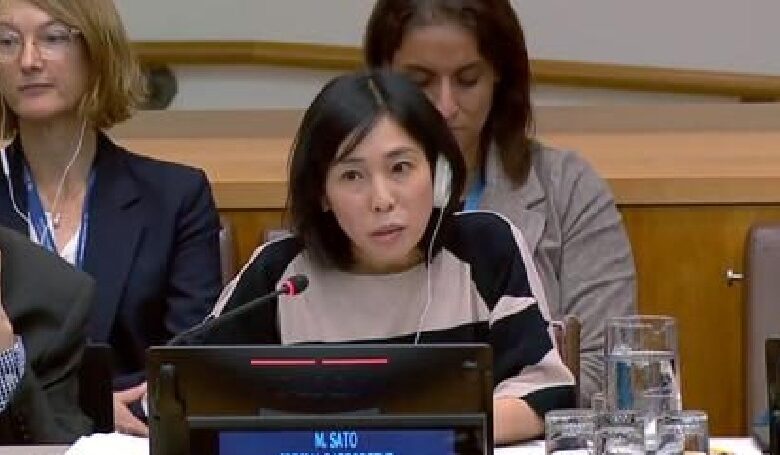
A United Nations reporter warned the Islamic Republic not to use conditions following military conflict with Israel for repression.
A group of UN special rapporteurs issued a statement warning the Islamic Republic that governments should not exploit the situation following military conflict to suppress ethnic and religious minorities and opponents.
The statement was prepared on June 13 and reviewed and released by 17 human rights experts. The statement reads: “Even considering the impact of illegal military attacks by Israel and the United States, experts remain concerned about reports of executions, enforced disappearances, and mass arrests. Hundreds of activists, journalists, social media users, minorities, and even foreign citizens, including Afghans, have been detained.”
“Sai Mato,” UN special rapporteur on human rights in Iran, released the statement on social media X, with portions concerning suppression and executions in Iran. The statement says: “Since June 13, 2025, when the conflicts began, at least six people have been executed on charges of espionage for Israel, including three Kurdish men. Hundreds, including social media users, journalists, human rights defenders, and foreign citizens, including Afghans and members of ethnic and religious minorities—Bahais, Kurds, Balochs, Arabs, and others—have been arrested on charges of cooperation or espionage for Israel.”
Reports published on social media indicate the detention of regime opponents, Christian citizens, civil activists, Jews, and Bahais following the ceasefire and end of military conflict between Israel and the Islamic Republic. Detained Christian citizens are from various cities including Tehran, Rasht, Kerman, Kermanshah, and Urmia, with no reports released about their detention and identities.
The statement released by UN special rapporteurs reminded the Islamic Republic that under international law, governments are obligated to respect human rights, particularly during and after war. UN experts also expressed concern about the situation of detained civil activists facing execution risk, including “Mohammad Reza Jalali,” an Iranian-Swedish physician, who is among these individuals.
Another section of the statement addressed the dire situation of prisoners transferred from Evin Prison to other prisons. In these transfers, some prisoners have disappeared, which increases concerns about “forced disappearances.”
UN experts also warned about swift trials and issuance of death sentences on charges of espionage for Israel and hasty and unjust implementation of sentences. They stated in the statement: “The Iranian parliament’s attempt to classify espionage charges as ‘spreading corruption on earth’ (which can lead to execution) is deeply concerning.”
According to a new bill approved by the Islamic Consultative Assembly titled “Increasing Punishment for Spies and Collaborators with the Zionist Regime and Hostile Countries” with 9 provisions, any intelligence activity, espionage, or operational action for Israel or other hostile states constitutes “spreading corruption on earth,” resulting in capital punishment. Additionally, any economic, security, financial, technological activity, or indirect assistance that strengthens or legitimizes Israel will be subject to execution.
The bill includes severe restrictions on media, cultural, and political activities. According to the resolution, publishing negative news, exaggerating damages, sending videos or photos to opposing media, and activities causing division, public fear, or harm to national security are considered crimes.
Article 18 Organization also released a statement regarding Evin Prison inmates, writing: “Article 18 Organization expresses grave concern about the safety and health of 11 Christian citizens detained in Evin Prison due to their religious beliefs and activities, and other prisoners, especially following the recent attack on this prison. We remind that prisoners, especially in crisis and wartime conditions, are in one of the most vulnerable situations possible.”
“Aida Najafloo,” a Christian citizen detained in Evin Prison, released an audio file in cyberspace saying: “Following Israel’s attack on Evin Prison, I was transferred along with dozens of other female political prisoners to Qarchak Prison in Varamin. There is suffering in Qarchak women’s prison—the suffering of how 62 children of ideological and political beliefs from our country’s women were transferred from Evin to Qarchak in shackles with such disgrace. Worst of all, the suffering that approximately 1,200 female prisoners in Qarchak Prison endure, including lack of fresh water, heating and cooling systems, lack of sanitation and adequate food.”
UN experts and special rapporteurs, in the statement, called on the international community to support Iranian civil society activists, independent media, and human rights groups so they can continue documentation, collective memory, and coordination of their actions.
They also warned about human rights violations by the Islamic Republic while referring to the forced return of 256,000 Afghan citizens from Iran to Afghanistan. Additionally, some Iranian civil institutions strongly reacted to this government action.
UN experts and special rapporteur strongly emphasized that the Islamic Republic should not return to patterns of widespread repression following the conflicts. “Sai Mato,” UN special rapporteur on human rights in Iran, and “Nazila Ghanea,” special rapporteur on freedom of religion or belief, are among the signatories of this statement.