Warning from Iran’s Christian Artists: Suppression of Protests is a ‘Crime Against Humanity’
More than 70 Christian artists and cultural activists have issued a statement condemning the suppression of Iran’s nationwide protests as the “most brutal” crackdown in contemporary history and calling for international support.
In one of the most unprecedented cultural responses to recent political events in Iran, more than 70 Iranian Christian artists and cultural activists have formally and strongly condemned the suppression of public protests in the country, describing it as “a dark place and a crime against humanity.”
In a statement released by a group of Christian artists, it was stated that the people of Iran took to the streets for “freedom, human dignity, social justice, and an end to structural discrimination,” but they were met with a violent, widespread, and organized response from security forces.
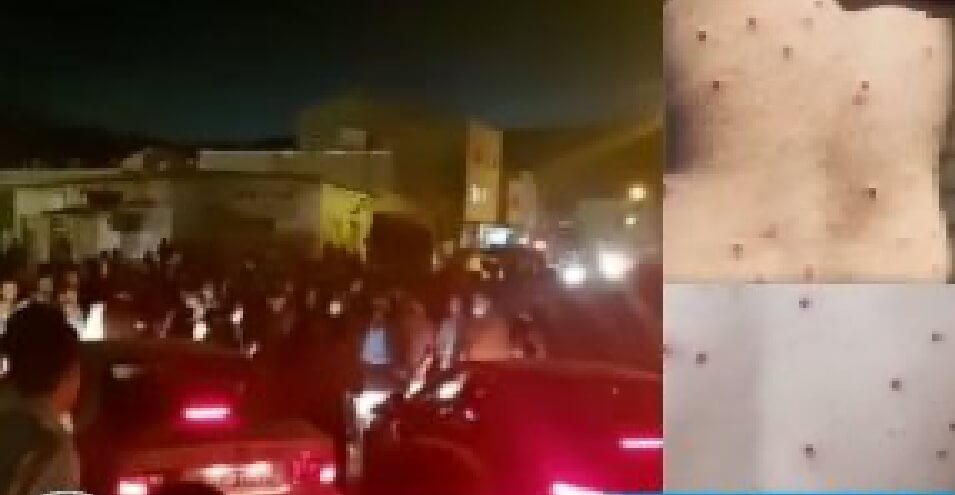
This cultural group emphasized that the violence against protesters has included the use of live ammunition against unarmed civilians, torture, widespread arrests, forced disappearances, and threats to families.
The statement also read: “The suppression of nationwide protests is one of the darkest and bloodiest chapters in Iran’s contemporary history and a clear manifestation of crimes against humanity.”
They also condemned nationwide internet shutdowns and communication restrictions as a deliberate tool to hide violence, prevent the documentation of truth, and plunge society into digital darkness. Such measures have also received attention from international bodies, and human rights organizations have repeatedly warned about their consequences.
Continuing their statement, these artists, while expressing complete solidarity with Iran’s nationwide uprising, called upon the international community, human rights organizations, churches, academic centers, artistic associations, and media to publicly and explicitly condemn the current crisis and remain committed to sustained support for the Iranian people’s pursuit of justice.
They stated in the statement: “We must not allow the normalization of cultural, artistic, or sports relations to serve as a cover for crimes against humanity.”
The response from Iran’s Christian artists comes as independent international reports confirm the scale and severity of the protest suppression. Human rights organizations such as Amnesty International and Human Rights Watch have repeatedly warned about the increasing death toll, disappearances, and detentions, and have called on the international community to respond more seriously to widespread human rights violations in Iran.
In recent months, reports have emerged indicating that Iranian security forces have resorted to direct shooting at protesters, arrests without charge, and the use of torture to extract forced confessions—actions that human rights experts describe as clear violations of humanitarian law and international crimes.
The emphasis of Iranian Christian cultural activists on conscience, truth, and moral responsibility is rooted in Christian beliefs and universal human rights principles, but its message transcends religious boundaries. Many political and social analysts believe that the artists’ warning could be the voice of segments of Iranian society that have been less visible in international media and could establish a link between domestic civil movements and international community support.
This statement has also received widespread resonance on social media and has sparked international solidarity campaigns with the Iranian people, including hashtags that describe the protests not only as a political movement but as a global demand for human dignity and freedom.
The explicit criticism of Iran’s Christian artists against government suppression could have long-term impacts on Iran’s cultural and diplomatic relations with the world. Many experts believe that art and culture can be a powerful tool in the fight against censorship and oppression, and can give voice to groups that have been ignored in a closed political space and bring their message to the attention of the international community.
Meanwhile, analyses show that the Iranian government has largely remained silent in official positions regarding public protests or has described them as “organized external currents,” while the response of Christian artists and other civil groups presents a different framework from the official narrative and calls for accountability and genuine justice for victims.