Widespread Criticism Over Transfer of Quran Museum to Saadabad Palace Instead of Water Museum
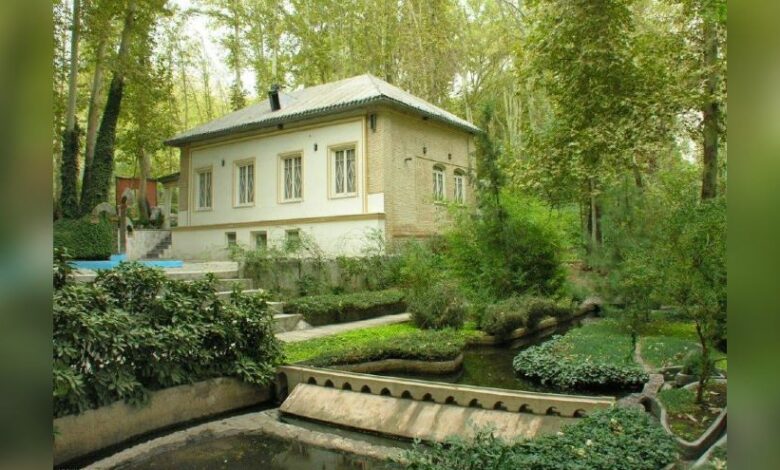
The transfer of the Quran Museum to Saadabad Palace on the eve of International Museum Day, in place of the Water Museum, has drawn widespread criticism.
Seyyed Ahmad Mohit Tabatabai, head of Iran’s National ICOM Committee, on the eve of International Museum Day, while explaining the importance of museums in society and describing the programs for this day, criticized the transfer of the National Quran Museum from Marble Palace to Saadabad Palace and the relocation of the Water Museum from Saadabad to Pardisan.
Regarding the celebration of International Museum Day, he said: “International Museum Day is celebrated every year on May 18th, and on this day a specific theme is set for museum activities that receives attention globally. This year’s theme, which began in early December and will continue until December 1404, is based on the position and role of museums in rapidly changing societies. This theme includes three main sections: youth audiences, technology and science audiences, and heritage audiences, with special emphasis on intangible heritage.”
Tabatabai, while expressing regret over the decision to close the Water Museum, said: “One of the worst news for the museum field is the closure of a museum. Sometimes private museums close due to economic problems and lack of cooperation from public institutions such as municipalities and the government. Sometimes public museums that hold important parts of people’s heritage also close. But perhaps worst of all is when a national museum closes or is relocated.
During the period of the late Kazruni, who was appointed as head of the Cultural Heritage Organization from the Ministry of Housing and Urban Development, he provided outstanding services. His most notable achievement was turning cultural heritage into a research institute, but he closed one of Tehran’s famous and ancient museums called the Museum of Decorative Arts on Krim Khan Street in Tehran and transferred its objects to the Decorative Arts Museum in Isfahan. The museum was not dissolved, but completely transferred. A major portion of its works went to Isfahan and some went to the Mir Emad Museum. This action is considered a weakness in his work and cast a shadow over his good deeds.
After him, Mr. Mousavi served as head of the organization for 9 months. He corrected the mistakes and errors of previous administrators. The re-transfer of the Cultural Heritage Organization from Shiraz and the transfer of the Handicrafts Organization from Isfahan to Tehran, and most importantly, the reopening of the Mir Emad, Behzad, and National Arts museums in Baharestan were among his measures.”
Ahmad Tabatabai also added regarding the transfer of the Quran Museum to Saadabad Palace: “The National Quran Museum is located on Valiaser Street at the intersection of Imam Khomeini, on the southern side of Marble Palace. This museum was established at the location of the Museum Parvaresh cultural center. During the lifetime of the late Habibi, the name Quran was given to this museum and they received excellent funding from the government of the time to establish this museum. The Quran Museum is located in an important geographical location and adjacent to several important state institutions, and according to the proposal of the late Habibi, visitors of the President were supposed to visit the art of the Holy Quran in this museum.
This museum was one of the few museums that was managed by a board of trustees. Its director was also Mr. Masjed Jami. During that period, very good relationships developed between various Quranic institutions in the country. The museum was active and at different times, including holidays and religious events, it responded and helped collect historical Qurans. Over these years, various issues caused this museum to have visitor problems, which is why it will be transferred to Saadabad. While it would have been better if this museum remained a specialized museum. It was possible to solve the problems, but perhaps the simpler solution was for the museum to be collected from there and moved to Saadabad.
This museum is one of the most important museums valuable in terms of artistic works, but one of the most unsuccessful museums compared to the Green Palaces, Millet Palace, Kitchen, and Mir Emad museums. The Mir Emad Museum also has few visitors. In any collection, museum harmony, infrastructure, and its works are important. I hope the Quran Museum does not suffer the fate of the Mir Emad Museum.”
The head of ICOM, while emphasizing that it has been announced that the Quran Museum will be transferred to the Water Museum in Saadabad, stated: “The Water Museum in the Saadabad complex was temporarily established from 1996. But later, due to the relationship of water with Saadabad, the number of canals and a form of traditional irrigation that had environmental discussions in Saadabad, the complex management tried to keep this museum, and the Ministry of Energy also announced its cooperation in this regard. But recently we heard that the Ministry of Energy itself does not want to have the museum and wants it transferred to the Pardisan complex. Now we hope that old museums will continue their existence and we will witness the opening and birth of new museums. There are material, social, and various other problems that cause a museum to be at risk. This is understandable in the private sector, but in the field of state museums, these problems can be better solved.”