America and alternative leadership scenarios; Trump: "Iran's fate is in the hands of the people"
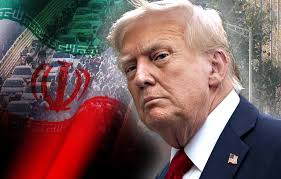
In his remarks, Donald Trump spoke about the future of the Islamic Republic, leadership options after the assassination of Ali Khamenei, a scenario inspired by Venezuela, and the prospect of continuing military operations for the next four or five weeks, with regional and global consequences.
In an interview with The New York Times, US President Donald Trump emphasized that the overthrow of the Islamic Republic depends on the Iranian people themselves and called for an experience similar to the Venezuela scenario to be used for the transfer of power in Iran.
"It's up to them whether they do it or not. They've been talking about it for years, so now it's obvious they'll have the opportunity," he said.
Trump has announced that he has "three very good choices" for the future leadership of Iran, although he has not revealed their names and emphasized that he will clarify this issue after the military operation is over.
He also called the power transfer model in Venezuela a "perfect scenario," noting that the previous leader was removed from power in the country and a large part of the government remained in place, but is now ready to cooperate with the United States.
Trump's proposed strategy, modeled on the Venezuelan experience, reflects the US's attempt to find a middle ground between completely overthrowing the government and maintaining relative stability in the country. He said the US was prepared to ease sanctions if Iran's new leadership showed itself to be a "pragmatic partner."
This position has met with mixed views among American conservatives and regional allies; some analysts believe that despite this approach, profound political changes in Iran are not easily achievable and that the current structure of the Islamic Republic faces significant resistance.
Trump said the US and its allies were prepared to continue strikes on Iranian soil for four to five weeks if necessary, describing the operation as ongoing. This stance, emphasizing the Pentagon's readiness and the continuation of military operations, shows that Washington has not yet outlined an exit strategy in the short term.
The war between Iran and the United States, which has been accompanied by air and missile attacks from both sides, has far-reaching consequences for the Middle East:
- In the wake of the conflict, regional countries including Qatar, Kuwait and the UAE have witnessed increased insecurity. Missile and drone attacks by the Islamic Republic have been reported in some of these countries, although there is no independent international confirmation of all of them.
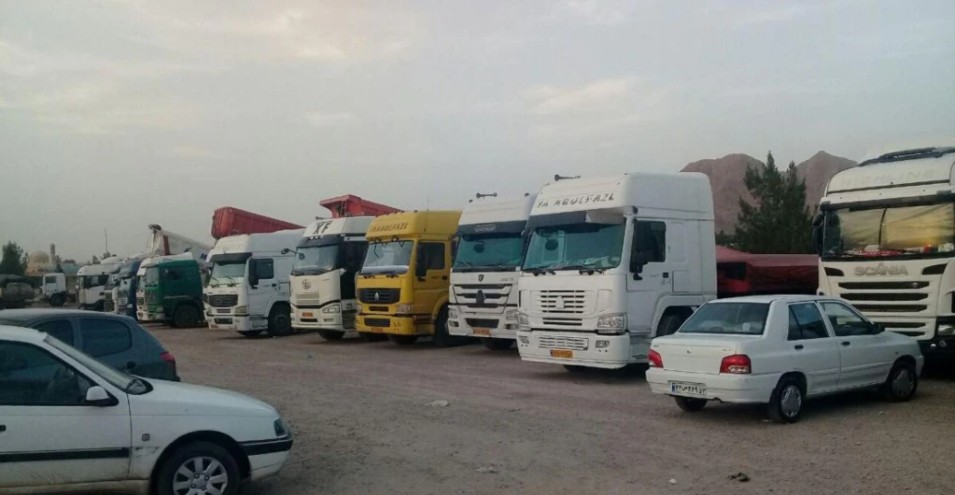
- Türkiye has closed three of its border crossings with Iran, a move that could affect the exchange of goods and travel and increase economic pressures.
The crisis has also heightened global concerns about energy markets, as increased volatility in the Persian Gulf could affect oil prices and jeopardize the security of energy transport routes.
While changes in Iran’s leadership have taken place in the shadow of the war, the interim leadership council has been formed, comprising several senior officials, including President Masoud Pezzekian, Judiciary Chief Gholamhossein Mohseni-Ejei, and Guardian Council jurist Alireza Arafi. This temporary structure reflects the vacuum and uncertainty in the official hierarchy following the death of Ali Khamenei and could lead to internal political rivalries.
In addition to its direct military effects, this war could lead to a change in the regional geopolitical map:
- Major regional players, such as Saudi Arabia, the UAE, and Qatar, may renew their role in the security equation, even if they are not directly involved.
- Analysts have warned that a military confrontation could strain US relations with other economic and political partners such as China and the European Union, particularly in the areas of energy and regional security.
Donald Trump's recent remarks on Iran indicate that the US administration is eager to continue military operations for several weeks while also considering leadership replacement scenarios and the possibility of post-war negotiations - an approach that combines military pressure, encouragement of a domestic uprising, and diplomatic possibilities.
Although this strategy targets potential Iranian leaders, the definitive outcome on the path to domestic political change in Iran is still in doubt, and reactions inside and outside the country are diverse and complex.