Continued repression of religious minorities in Iran | A Baha'i citizen was sentenced to 5 years in prison and property confiscated

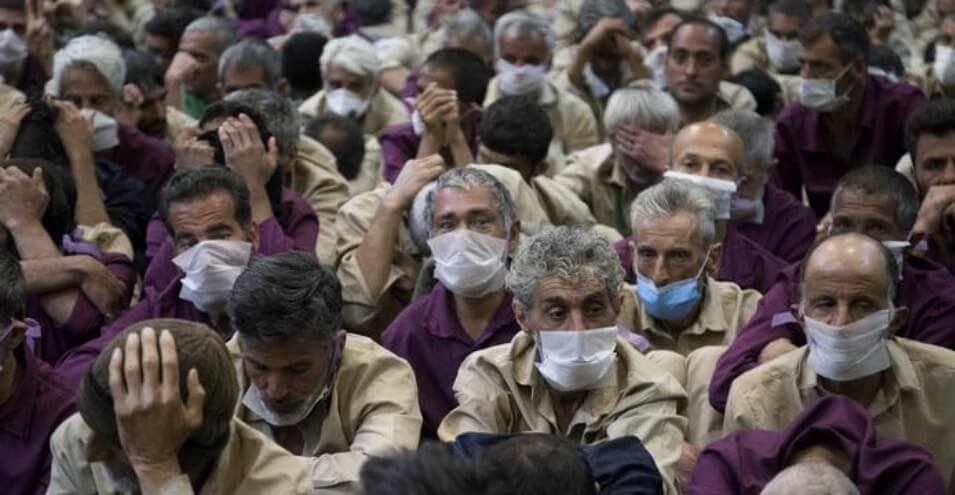
In the continuation of the repression of Baha'i citizens in Iran, Kamran Shahidi, a Baha'i citizen living in Karaj, was sentenced to 5 years in prison by the Revolutionary Court.
According to news published on social media, this Baha'i citizen has been sentenced to five years in prison and confiscation of working capital, including two kilos of gold, and amounts of money, coins, and dollars worth three hundred million tomans, by Branch 28 of the Tehran Revolutionary Court, presided over by Judge Moghiseh, for "making jewelry with the names of God engraved on them."
Kamran Shahidi was arrested on October 23, 2017, by agents of the Ministry of Intelligence and was temporarily released from Evin Prison after posting bail approximately three weeks after the arrest, pending the completion of the proceedings.
According to published reports, the workplace of this Baha'i citizen has also been sealed by the Ministry of Intelligence for more than two years.
The Islamic Republic's treatment of Baha'i citizens has a long history, and this is not the first time that Baha'i citizens have been arrested and sentenced to judicial sentences such as long prison terms.
Previously, Ardeshir Fanaian, Yalda Firouzian, and Behnam Eskandarian, Baha'i citizens living in Semnan, who were arrested by security forces on Tuesday, May 1, 2019, were sentenced to a total of 20 years in prison by Branch 1 of the Islamic Revolutionary Court of Semnan City, headed by Mohammad Ali Rostami, about six months after their arrest. This sentence was reduced to 12 years by the Semnan Court of Appeals.
Ali Ahmadi, a Baha'i citizen living in Qaemshahr, was previously arrested by security forces in his home in late November 2018 and was temporarily released on Wednesday, January 2, 2018, after posting a bail of 150 million Tomans pending the completion of the trial. He was sentenced to 11 years in prison by the Qaemshahr Revolutionary Court on the charge of "propaganda against the system." The verdict was announced to him on Monday, November 2.
Recently, on Friday, November 8, representatives of 33 countries, including the United States, criticized the violation of the rights of ethnic and religious minorities, including Baha'i citizens, in a periodic meeting to review the human rights situation in Iran, and called on the Iranian government to respect their rights.
International human rights organizations and the United States government have repeatedly condemned the persecution and imprisonment of followers of religious minorities in Iran.
Javed Rehman, the UN Special Rapporteur on Human Rights in Iran, also said in his second report on the human rights situation in Iran in August of this year that the Islamic Republic no longer executes Baha'is solely for their religious beliefs, but the risk of raids, arrests, and imprisonment is constant, and since August 2005, more than 1,168 Baha'is have been arrested and faced with vague and ambiguous charges.
Source: Voice of America