Government insists on implementing Darviar plan despite parliament's warning
Despite the sudden increase in medicine prices following the implementation of the "Darvyar" plan and the warning from the parliament, Iranian Ministry of Health officials continue to insist that the implementation of this plan is in the interest of citizens.
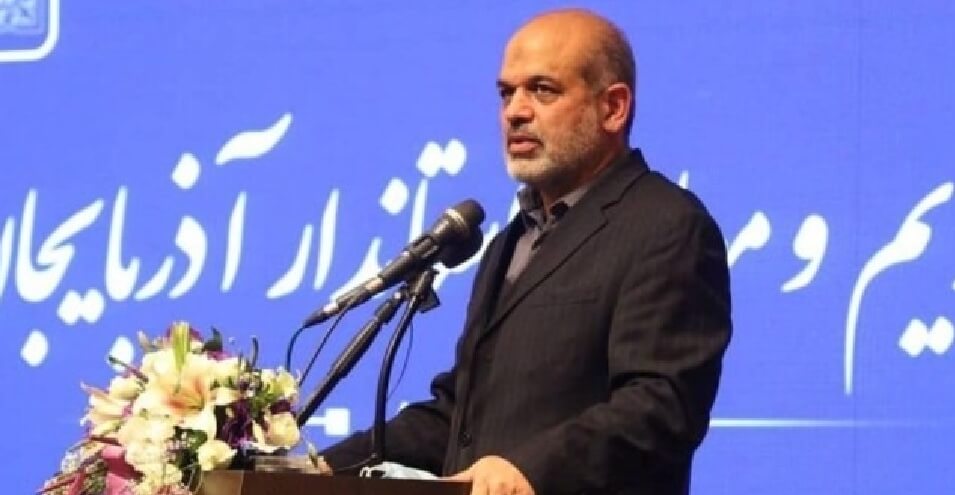
Following similar statements by ministry officials about the benefits of implementing the "Darvyar" plan in recent days and weeks, Bahram Darai, head of the Food and Drug Administration, said on Monday, July 17, that "not only are the prices of medicines no different from before, but people's payments for some items will even be reduced."
Mr. Daraei stated that the reason for this alleged price reduction was "raising the base price level of medicines covered by insurance."
Despite Iranian President Ebrahim Raisi's "firm" promise not to increase drug prices in recent months, last week the Minister of Health suddenly announced the implementation of the so-called "Darvyar" plan starting July 13.
But despite the insistence of the Ministry of Health officials that the price of medicine would remain stable after the implementation of this plan, the Food and Drug Administration issued a permit for a 20 to 30 percent increase in the price of medicine from the very beginning. However, according to reports, some pharmaceutical companies have increased the prices of some of their pharmaceutical items by more than 100 percent.
Bahram Darai, head of the Food and Drug Administration, said on Monday, as well as the Minister of Health, that by eliminating subsidies from domestically produced drugs that were dependent on preferential currency for the procurement of raw materials, the prices of drugs have become "real," and by allocating government drug subsidies to insurance companies, this subsidy is set to reach the "real consumer," meaning people with basic insurance.
Although Iranian authorities have stated that the goal of implementing the "Darvyar" plan is to "increase the number of people and drugs covered by insurance," "reduce patient costs," and "prevent drug smuggling," the hasty implementation of this plan has taken place while a significant number of citizens in Iran are still not covered by any insurance.
According to Mohammad Mehdi Nasihi, CEO of the Health Insurance Organization, in February last year, "between 6 and 9 million people in the country do not have active insurance," and to this population, about 5 million foreign nationals must be added.
Meanwhile, despite claims by Ministry of Health officials that the necessary infrastructure has been created to implement the new drug plan, there is still much uncertainty about how insurance services will be provided in this regard.
So far, insurance companies have not responded to the issue of how they will provide services to insureds since the implementation of the plan.
Zahra Sheikhi, spokesperson for the Parliament's Health and Medical Services Commission, criticized the "rushed" implementation of the Darviar plan on Saturday, July 15, saying that its implementation "without identifying its strengths and weaknesses and providing infrastructure will cause people to suffer."
Referring to the government's failure to consult with the parliament on how to implement the new pharmaceutical plan, Ms. Sheikhi said: "The commission emphasizes that about eight months of previous debts to insurance companies must be paid, and that the costs of the plan must be made available to insurance companies in a timely and transparent manner so that we do not witness any disruption in the implementation of the plan."
The MP further added that "members of the Health Commission have explicitly warned the government that if this plan is not implemented properly, they will file a complaint with the Commission under Article 90 by applying Article 234."
Some members of parliament are criticizing the government for implementing the Darvyar plan, even though many of them were seriously warning about the consequences of the sudden increase in bread prices in May, the government of Ebrahim Raisi implemented the plan, and the public protests related to it were severely suppressed by security and military forces.
Source: Radio Farda