Widespread criticism over moving the Quran Museum to Sa'dabad Palace instead of the Water Museum
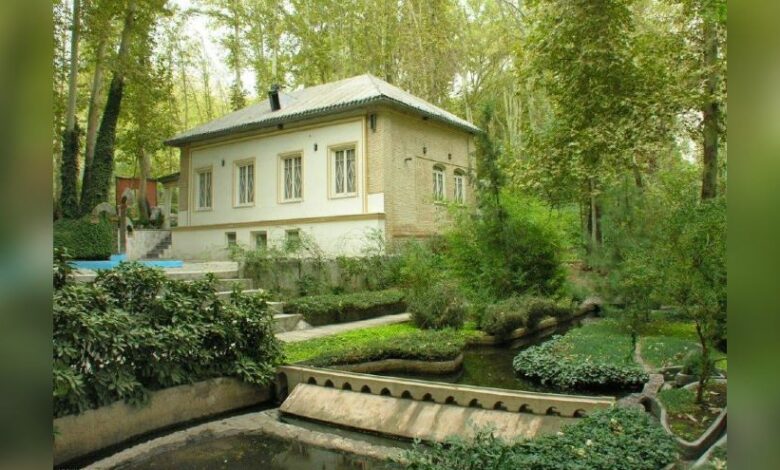
The relocation of the Quran Museum to Sa'dabad Palace on the eve of International Museum Day instead of the Water Museum attracted widespread criticism.
Seyyed Ahmad Mohit Tabatabaei, head of the Iranian ICOM National Committee, on the eve of International Museum Day, while explaining the importance of museums in society and outlining the programs for this day, criticized the transfer of the National Quran Museum from the Marble Palace to the Saadabad Palace and the relocation of the Water Museum from Saadabad to Pardisan.
وی درباره برگزاری روز جهانی موزهها گفت: «هر سال روز جهانی موزهها در 18 می برگزار میشود و در این روز محور خاصی برای فعالیت موزهها تعیین میشود که در سطح جهانی مورد توجه قرار میگیرد. محور فعالیتهای امسال که از ابتدای دیماه آغاز شده و تا دی ماه ۱۴۰۴ ادامه خواهد داشت، بر اساس جایگاه و نقش موزهها در جوامع در حال تغییر سریع است. این محور شامل سه بخش اصلی مخاطب جوانان، مخاطب فناوری و علوم و مخاطب میراث، با تاکید ویژه بر میراث ناملموس میشود.»
In his speech, Tabatabaei expressed regret over the decision to close the Water Museum and said: "One of the worst news for the field of museum management is the closure of a museum. Sometimes private museums are closed due to economic issues and lack of support from public institutions such as the municipality and the government. Sometimes state museums that hold important parts of the people's heritage are closed. But perhaps the worst thing of all is when a national museum is closed or relocated."
During the period when the late Kazerouni was appointed as the head of the Cultural Heritage Organization from the Ministry of Housing and Urban Development, he performed remarkable services. His outstanding work was to transform cultural heritage into a research institute, but he closed one of the famous and old museums in Tehran, the Museum of Decorative Arts on Karim Khan Street in Tehran, and transferred the objects of this museum to the Decorative Arts Museum in Isfahan. The museum was not dissolved, but was completely transferred. A major part of his works went to Isfahan and a part to the Mir Emad Museum. This act is considered the weak point of his work and cast a shadow over his good works.
After him, Mr. Mousavi became the director of the organization for 9 months. He made up for the mistakes and errors of the previous directors. The relocation of the Cultural Heritage Organization from Shiraz and the relocation of the Handicrafts Organization from Isfahan to Tehran, and most importantly, the reopening of the Mir Emad, Behzad, and National Arts Museums in Baharestan were among his actions.
Ahmad Tabatabaei also added regarding the transfer of the Quran Museum to Saadabad Palace: "The National Museum of the Holy Quran is located on Vali Asr Street, at the intersection of Imam Khomeini, on the southern side of the Marble Palace. This museum was established in the place of the Negarestan Museum Cultural Center. During the lifetime of Shadrvan Habibi, they named this museum after the Quran and received great credit from the government to establish this museum. The Quran Museum is in an important geographical location and adjacent to several important governmental institutions, and at the suggestion of the late Habibi, presidential guests were supposed to visit the art of the Holy Quran in this museum.
This museum is one of the few museums that was run by a board of trustees. Its chairman was Mr. Masjid Jamei. During that period, a very good relationship was established between the various Quranic institutions of the country. The museum was active and responded to various times, including religious holidays and events, and it also led to the collection of historical Qurans. Over the years, various issues have caused this museum to have problems with visitors, which is why it will be moved to Saadabad. While it would have been better for this museum to be a specialized museum. The problems could have been solved, but perhaps the simpler solution would have been to collect the museum from there and move it to Saadabad.
"This museum is one of the most important museums in terms of valuable works of art, but it is one of the most unsuccessful museums compared to the Green Palace, the People's Palace, the Kitchen, and the Mir Emad Museum. The Mir Emad Museum also has few visitors. In any collection, the consistency of the museum, its infrastructure, and its works is important. I hope the Quran Museum does not suffer the fate of the Mir Emad Museum."
The head of ICOM, while emphasizing that it has been announced that the Quran Museum will be moved to the Water Museum in Saadabad, stated: "The Water Museum in the Saadabad complex was temporarily established in 1997. But later, due to the water ratio with Saadabad, the number of canals, and a type of traditional irrigation that was an environmental issue in Saadabad, the management of the complex tried to keep the museum, and the Ministry of Energy also announced its cooperation in this regard. But recently, we heard that the Ministry of Energy itself does not want to have the museum and wants to move it to the Pardisan complex. Now, we hope that the old museums will continue to exist and that we will witness the opening and birth of new museums. There are material and social problems or various issues that put a museum in danger. This is understandable in the private sector, but these problems can be solved better in the field of state museums."