Bahrain seeks authorization for military action against Iranian maritime threats and protection of the Strait of Hormuz
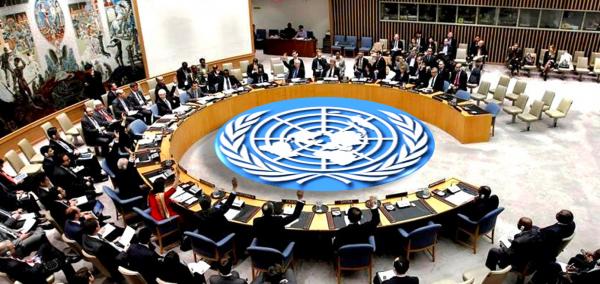
The controversial draft resolution on the Strait of Hormuz in the Security Council and the disagreement between powers over authorization for military action and containment of Iranian maritime threats indicate the extent of the crisis in the Middle East.
Following the rise in tensions in the strategic Strait of Hormuz waterway, Bahrain has submitted a draft resolution to the UN Security Council, calling for an unprecedented authorization to protect international shipping; a move that could significantly change the course of security developments in the region.
طبق گزارش خبرگزاری رویترز در روز جاری سهشنبه 24 مارچ برابر با 4 فروردین، بر اساس این پیشنویس، از کشورهای عضو خواسته شده است تا برای تضمین امنیت عبور و مرور دریایی، از تمام ابزارهای لازم استفاده کنند؛ عبارتی که در ادبیات شورای امنیت، معمولا بهعنوان مجوزی بالقوه برای اقدام نظامی تفسیر میشود.
The text of this proposal introduces the actions of the Islamic Republic of Iran as a threat to international peace and security and emphasizes that countries can act independently or in the form of multinational coalitions to preserve freedom of navigation within the Strait of Hormuz and even related territorial waters. The draft also foresees the possibility of applying punitive measures, including targeted sanctions.
The document explicitly calls on the Iranian government to immediately end attacks on commercial shipping and to cease all efforts to disrupt legitimate navigation in this vital waterway. The importance of this request becomes even more apparent when we consider that the Strait of Hormuz is one of the world’s most sensitive energy bottlenecks, through which a significant portion of the world’s oil and gas exports pass.
If passed, the resolution would fall under Chapter VII of the UN Charter, which allows the Security Council to use tools ranging from economic sanctions to military action to enforce its decisions. However, diplomats believe that the text has little chance of passing due to possible opposition from Russia and China.
In contrast, France has presented a separate draft that takes a different and more cautious approach. Without directly mentioning Iran, the text emphasizes reducing tensions and returning to the path of diplomacy, and calls on all parties to refrain from escalating the conflict. Unlike the Bahrain proposal, this draft does not fall under Chapter VII and focuses more on defensive measures, such as coordinating the escort of commercial ships in accordance with international law.
Recent developments in the region indicate growing global concern over the security of the Strait of Hormuz. Since the beginning of the recent conflicts, there have been reports of disruptions in the passage of ships and restrictions on the movement of some vessels, an issue that has prompted widespread reactions from various countries.
In this regard, more than 20 countries have announced that they will cooperate to ensure the security of this vital route. At the same time, some reports indicate that the countries of the Persian Gulf region are considering a more active role in possible coalitions. In particular, there have been discussions about the use of military bases and even the possibility of some countries directly participating in military actions.
International observers believe that the conflict between two approaches in the Security Council, one based on pressure and decisive action and the other based on diplomacy and de-escalation, reflects a deep divide in how to deal with the Strait of Hormuz crisis. This difference of view, along with the geopolitical complexities of the region, has cast the future of this vital waterway in a halo of uncertainty.
With the global economy heavily dependent on the security of energy routes, any escalation in the Strait of Hormuz could have consequences beyond the region, from rising energy prices to escalating conflicts. Eyes are now on the Security Council to see whether a consensus for action can be reached or whether great power competition will once again stymie decision-making.