Reporters Without Borders supports investigation into Raisi's role in the 1967 massacre
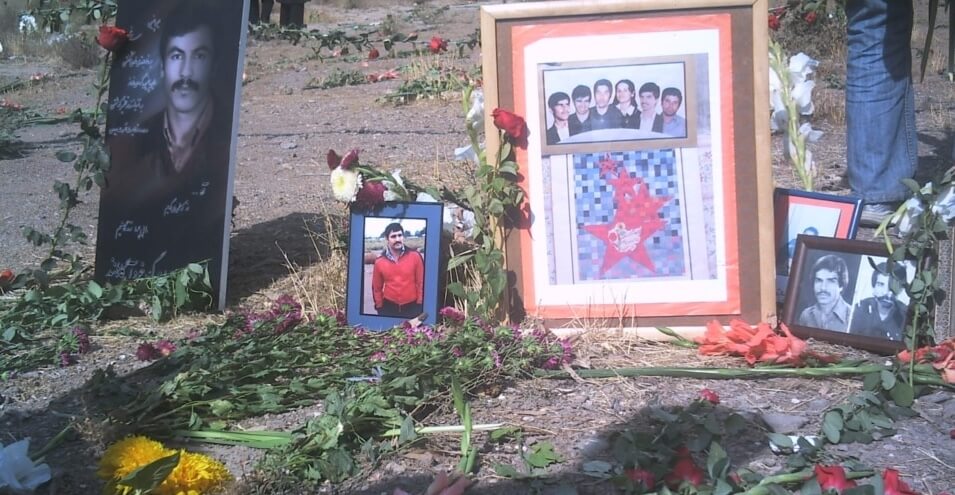
Reporters Without Borders announced that it supports the request of the UN Special Rapporteur on Iran, Javed Rehman, to establish a commission of inquiry at the UN Human Rights Council regarding Ebrahim Raisi's role in the 1967 massacre.
Javed Rahman has called for an independent investigation into the execution of thousands of political prisoners ordered by the Islamic Republic authorities in 1988 and the role of Ebrahim Raisi in this mass murder.
Reporters Without Borders has stated that hundreds of journalists were involved in the killing of thousands of political prisoners in 1988.
Antoine Bernard, Director of Global Advocacy and Legal Strategy at Reporters Without Borders, said that placing the establishment of a commission of inquiry in the UN Human Rights Council on the agenda is a first step and an essential step, and that this commission must enjoy the full support of UN members.
On Monday, July 27, in an interview with Reuters, Javed Rehman said that over the past years, his office has collected testimonies from various individuals and evidence in this regard, and if the UN Human Rights Council or other institutions are ready to launch an impartial investigation into this matter, he is ready to provide this evidence to them.
Ebrahim Raisi, the president-elect of Iran in the recent elections, is one of the main suspects in this massacre and a member of a committee known as the Death Committee in connection with the executions of 1988.
At the time, Ebrahim Raisi was the deputy prosecutor of Tehran and a member of the board tasked with making decisions about the execution of prisoners.
Ebrahim Raisi is under US sanctions due to his background, and the US and human rights activists say he is one of four prosecutors involved in the 1967 murders.
The People's Mojahedin Organization, which was the primary target of these executions, says the number of people killed is around 30,000, but human rights organizations estimate it to be between 4,000 and 5,000. These executions also included leftist groups such as the Fedayeen-e Khalq.
Although the government officials of the Islamic Republic of Iran have never officially admitted that the crimes were committed in 1988, in 2002, the seven experts of the United Nations Working Group on Human Rights and Rapporteurs published a shocking report on the killing of prisoners in 1988, with questions from Iranian government officials.
The organization also referred to the arrest of Hamid Nouri, one of those responsible for these executions, in Sweden and his trial, which will begin in Stockholm on August 9, and announced that further clarifications about the death squad and Ebrahim Raisi's involvement in that massacre will be heard in this court.
In his first press conference after the presidential election, Ebrahim Raisi, in response to a question about his role in these crimes, said: "If a lawyer and judge has defended the rights of the people, he should be praised and encouraged for maintaining the security of the people against attacks and threats. All the actions I took during my term of office have always been aimed at defending human rights."
Source: Radio Farda