A Global Narrative of Hope and Joy About the Birth of Jesus Christ and Christmas Celebration
The birth of Jesus Christ is one of the most significant events in the history of Christianity, recognized as the starting point of the Christian faith and a message of love and salvation for humanity. This event, described in the Holy Bible in the Gospels of Matthew and Luke, refers to the birth of Jesus in Bethlehem under simple and spiritual circumstances. Christians celebrate this birth as the manifestation of God in the world and as hope for human salvation.
Christmas, celebrated on December 25th (in some Orthodox churches on January 7th), is directly connected to the birth of Jesus Christ. This celebration, beyond its religious aspect, has become a major cultural and social event. Christmas celebrations include rituals such as singing religious carols, attending church, exchanging gifts, and decorating the Christmas tree.
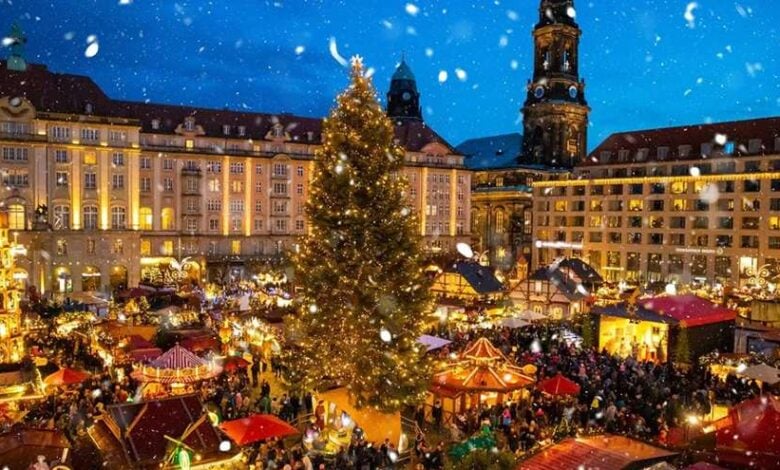
The Christmas tree, a symbol of life and hope in winter, is adorned with lights and beautiful decorations. Similarly, the character of Santa Claus, inspired by European traditions, is a symbol of generosity and joy for children.
Christmas, as one of the greatest religious and cultural celebrations, is observed in countries throughout the world. Christmas celebration in the United States and Canada is accompanied by decorating homes, streets, and shopping centers. People exchange gifts and participate in family gatherings. European countries such as England, Germany, France, Italy, and Spain have special Christmas traditions. Christmas markets in Germany and religious carols in England are among the special attractions of this celebration. In countries such as Mexico and Brazil, this celebration is marked with dance, music, and religious ceremonies. Some of these countries also depict the nativity of Jesus Christ.
In the Philippines, India, Japan, and South Korea, Christmas is honored due to the influence of Christianity and Western culture. In the Philippines, Christmas is considered the longest celebration and begins in September. In African countries such as Nigeria and Kenya, Christmas is accompanied by religious ceremonies, local music, and traditional foods.
Christmas, transcending religious boundaries, has become a symbol of love, hope, forgiveness, and human unity. This global celebration gives people the opportunity to spend time with family and friends and experience moments of joy and peace. Despite cultural and geographical differences, the message of Christmas is the same for all people in the world: “Love and hope for a brighter future.”