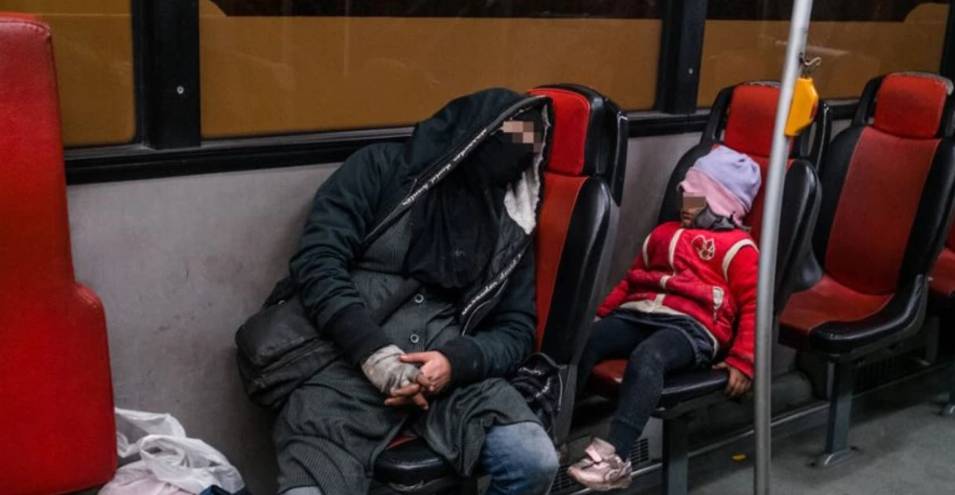
Narges Mohammadi's husband says the pressure on the human rights activist is a sign of "revenge on a prisoner."
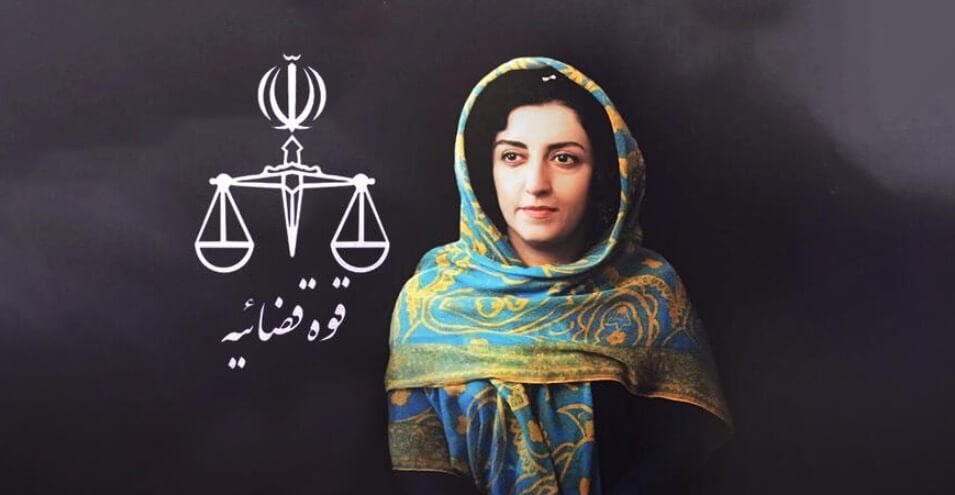
The wife of Narges Mohammadi, a human rights activist imprisoned in Iran, says that the pressure being exerted on this human rights activist by the government is for revenge and they want to make prison conditions more difficult for her.
Taghi Rahmani, the husband of Ms. Mohammadi, who was recently infected with the coronavirus in Zanjan Prison, told VOA on Tuesday, August 4: "She has very sensitive lungs, and if the disease had spread to her lungs, it would have caused serious problems. Fortunately, the danger stage has been eliminated, and this is cause for joy. But she must continue to receive medical care due to her past condition. In addition, the beating she suffered during her transfer to Zanjan Prison has caused her many problems."
The human rights activist's wife, pointing out that Zanjan Prison is a place where prisoners with various charges and crimes are held, added: "This prison is not a suitable space to hold Narges Mohammadi, and the restrictions are very high for her due to the closed prison conditions. This is a double pressure that is constantly repeated for her; pressures that are a sign of revenge against a prisoner."
Mr. Rahmani believes that such treatment of human rights activists by judicial authorities is intended to make these civil activities more costly so that other people will not volunteer for such activities. He says: "What has a human rights activist who wanted to change the laws in favor of human rights done that involves all this vindictive behavior?"
Narges Mohammadi, vice president and spokesperson for the Center for Human Rights Defenders and a civil activist who has been in prison since mid-May 2015, was recently transferred from Evin Prison to Zanjan Prison after being beaten after a sit-in with 7 other female prisoners protesting the November massacre. She is currently facing new charges in two separate cases.
Referring to the status of the case of imprisoned human rights activist Narges Mohammadi, Taghi Rahmani says: "Our request to the authorities of the Islamic Republic is clear. Narges Mohammadi has not committed a crime for which she is in prison. She was sentenced to sixteen years in prison, 10 years of which were enforceable, and she has served six years of it, and she should be released from prison according to current laws."
In late July, Kiana and Ali, the children of this human rights activist, released a video announcing that they had not heard their mother's voice for 11 months. After the video was released on social media, some Twitter users launched a new campaign in support of the imprisoned journalist and the pressure exerted on her and her family by Iranian judicial authorities, including the authorities' cutting off phone calls and visits to this human rights defender. Twitter users called for the release of the imprisoned human rights activist from Zanjan Prison.
According to Mr. Rahmani, Narges Mohammadi's lawyers have repeatedly protested the process of the case, but the responsible authorities have not responded to them and the family to this day. Mr. Rahmani says: "Even according to the current laws of the Prisons Organization, this is not Narges' right, and her right must be respected."
The US State Department has repeatedly and on various occasions condemned the violent confrontations and widespread repression of protesters, as well as the repeated and persistent violations of the rights of Iranian citizens by the ruling regime in that country.