Chaharshanbeh Suri, the confrontation of light and threat on the streets of Iran
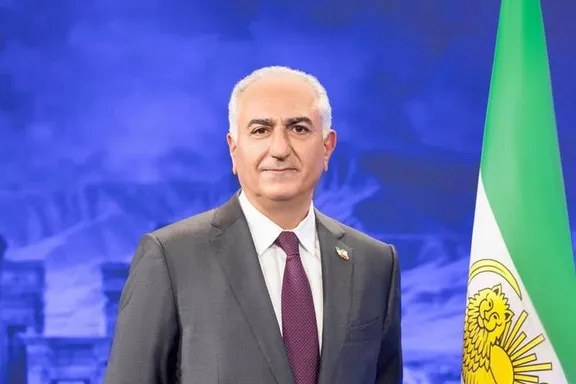
On the eve of the ancient Chaharshanbeh Suri ritual, the Pahlavi prince asked people to participate in the ceremony, and in return, the government of the Islamic Republic threatened people and warned them.
On the eve of the ancient Chaharshanbeh Suri ritual, Reza Pahlavi issued a message urging the Iranian people to celebrate the celebration in a peaceful manner and free from tension. In his message, he emphasized:
"My compatriots,
On the eve of Charshanbeh Suri, the anti-Iranian regime of the Islamic Republic is once again trying to prevent this national and ancient ritual. But this year, we will celebrate Charshanbeh Suri with national solemnity in memory of the brave men who sacrificed their lives to reclaim Iran and our national identity.
Our message is clear: Our fire, a symbol of Iran's light and purity, will triumph over the darkness and filth of this anti-Iranian regime and cleanse the soil of Iran from criminal occupiers.
I also call on all Iranians abroad to gather on Wednesday, in front of the regime's embassies around the world, and shout: The Iranian nation will not rest until Iran is liberated and the Islamic Republic disappears from the face of the earth.
"I also ask the President of the United States and the Prime Minister of Israel to carefully monitor the developments of this day and not allow the Islamic Republic to deal with the brave people of Iran with violence during this national ritual. By holding a grand celebration of Chaharshanbeh Suri, we are welcoming Nowruz and the spring of Iran's freedom and showing that the day of Iran's liberation is near."
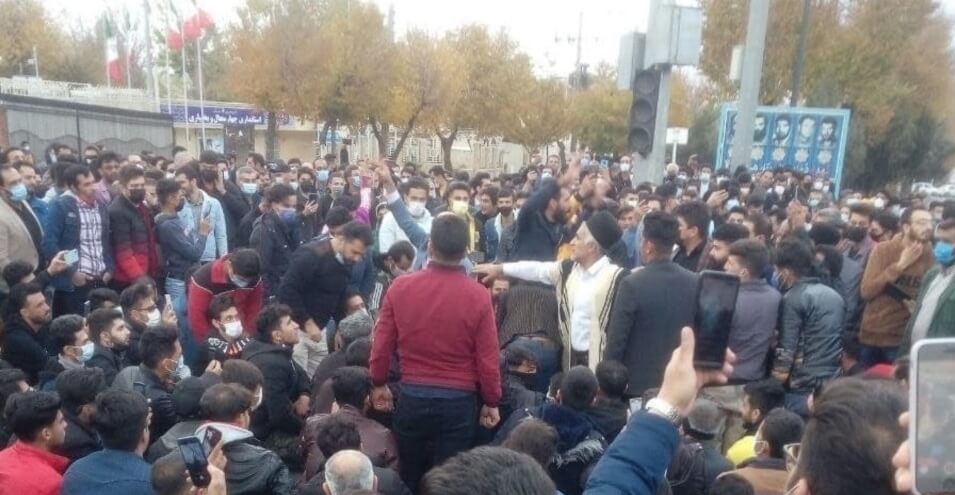
Simultaneously with this call, media outlets and channels close to the Islamic Revolutionary Guard Corps adopted a harsh and warning approach towards holding this event. In this atmosphere, participation in the Charshenbah Suri gatherings was presented not as a cultural tradition, but as behavior that could be prosecuted, and there was implicit talk of serious confrontations with participants.
This type of literature, which is also accompanied by references to examples of confrontations in other countries, attempts to send a clear message: "Any street presence may be met with a harsh response." Such an atmosphere has effectively transformed the ancient celebration of Charshanbesh Suri from a joyful folk ritual into a risky event in the public eye.
With roots in pre-Islamic Iranian history, Chaharshanbeh-e-Suri has always been a symbol of purity, renewal, and the triumph of light over darkness. However, in recent years, the ritual has taken on more meaning in the context of political upheavals.
Reza Pahlavi also warned government forces in another part of his message, saying: "People will celebrate Charshanbesh Suri peacefully tonight. From 6 p.m., leave the streets, alleys, and neighborhoods and do not stand in front of the people. Let this night end peacefully. The consequences of staying in the streets and suppressing the people's peaceful celebration are yours."
Prince Pahlavi also emphasized in his message and called on people to be fully vigilant and avoid any tension, conflict, or even approaching the regime's mercenaries on the streets; he also added: "The goal of the evil elements is to turn the celebration of light and purity, as well as your life, into darkness, filth, and death. Do not give them this opportunity."
From a critical perspective, it can be said that placing cultural rituals at the center of political conflicts, although it can carry protest messages, also carries the risk of moving away from the original function of these traditions. Chaharshanbeh-e-Suri, as a celebration of light, now stands at a point that oscillates between the hope of change and the shadow of threat.