Dangerous Spread of Coronavirus in Iran and International Community’s Responsibilities
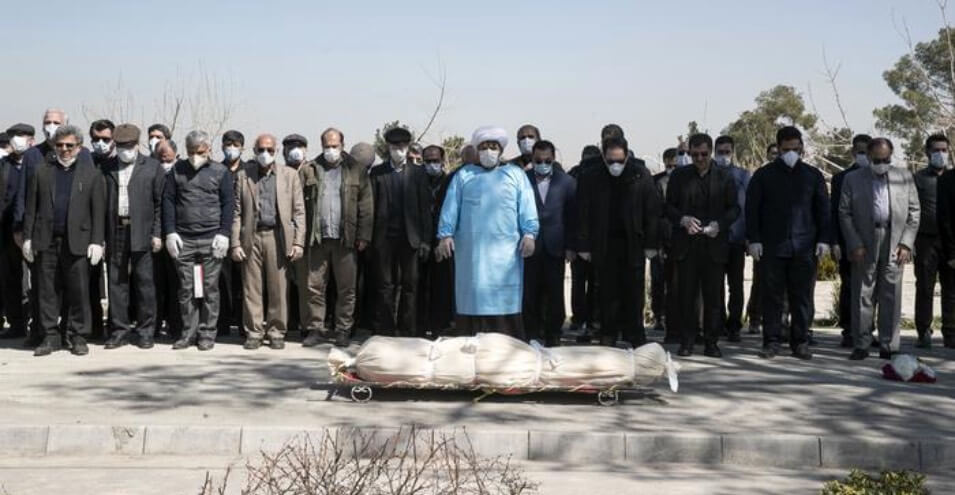
Iran has limited capacities to confront the epidemic and is in need of support from the international community; American sanctions have complicated the fight against coronavirus. The newspaper “Neue Zürcher Zeitung” assesses Iran’s situation as dangerous in its analysis.
The coronavirus is spreading silently and rapidly in Iran, claiming more victims each day. According to official statistics, the death rate of the epidemic in Iran is very high, at 7 percent, which is double the global average and equals only the situation in Italy. Various reports indicate that hospitals have reached their maximum service capacity, while the virus continues to advance relentlessly.
According to the latest official figures, the number of infected has exceeded 18,000 people and nearly 1,300 have died so far. In Iran too, the number of infected cases, like in many countries around the world, is much higher.
Iran, like many other countries, is in need of assistance from the international community, but in circumstances where the heaviest economic sanctions have been imposed by the United States against this country, receiving aid from other countries is very difficult, even though the United States insists that sanctioning measures do not include medical services and health goods.
In an unprecedented move that reflects the severity of the situation in Iran, Hassan Rouhani, Iran’s President, has asked other countries to oppose American sanctions in the context of the coronavirus spread. In this regard, Mohammad Javad Zarif, Foreign Minister, requested a five billion dollar loan from the International Monetary Fund for his country.
Several countries responded to the Islamic Republic’s appeal and sent medical goods and equipment to Iran. In addition to Germany, France, Britain, and Japan, Tehran received financial aid or medical equipment from Russia and China as well. Iran expressed gratitude for this assistance from “friends who did not leave it alone in hardship and difficulty.”
Negative American Response
Mike Pompeo, U.S. Secretary of State, emphasized that the United States’ behavior towards Iran will not change. He also demanded that Iran immediately release American prisoners held in the country. It is clear that the United States will not achieve this goal through intensified sanctions. Washington not only has not eased its sanctioning pressures but recently added new companies and individuals to its blacklist.
The U.S. government has repeatedly stated that sanctions against Iran do not include food and medicine. Furthermore, it has said that a financial mechanism that operates through Switzerland allows Iran to import essential goods into the country. However, experts believe that this mechanism is more limited and slower than what would enable Iran to escape multilateral pressures.
In the current situation, Iran urgently needs to receive funds from the International Monetary Fund. According to experts, this amount could be held in global banks, which would both facilitate Iran’s payments and keep their expenditure under international supervision.
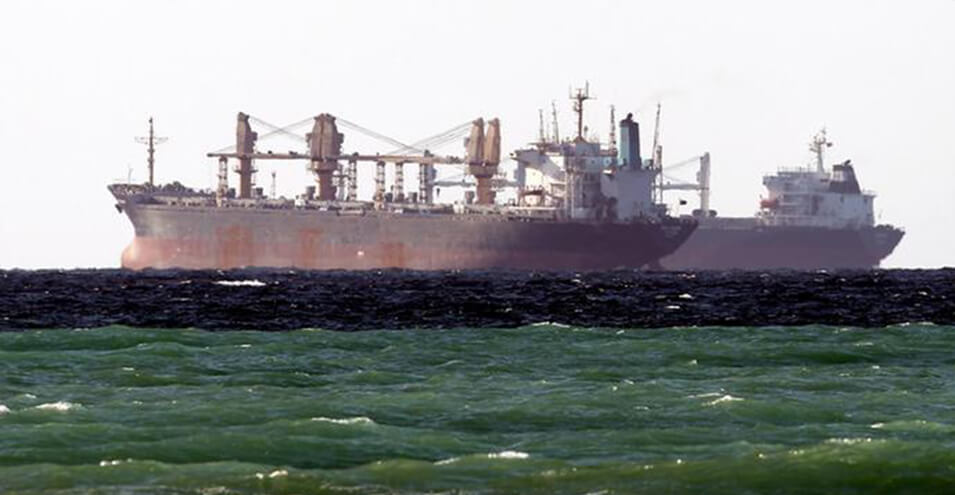
The surprising event of recent days was that the UAE government, a serious adversary of the Islamic Republic, which has always been among critics of Iran’s policy in the Persian Gulf region and blames Iran for “tanker wars,” sent medical aid and medical equipment to Iran on March 16.
Previously, on March 3, a military aircraft carrying seven and a half tons of medical aid, in cooperation with the World Health Organization along with five tons of its experts, was sent from the UAE to Iran.
Iran has confirmed that with two flights of the UAE Air Force, it received a total of 32 tons of essential medical materials from the UAE. In this regard, Mohammad Javad Zarif, in a telephone conversation with Sheikh Abdullah bin Zayed Al Nahyan, UAE Foreign Minister, thanked him for sending medical assistance.
Many political observers who are by no means supporters of the Iranian regime have asked Donald Trump, U.S. President, that in circumstances where Iran has fallen into a severe crisis, he should take a friendly gesture toward resolving enmities. However, evidence shows that Trump is unwilling to abandon his policy of “maximum pressure” on Iran.
Appeal to Iran’s Government
Iran cannot unilaterally and without preconditions expect assistance from the international community; rather, it must more seriously prevent the virus from spreading throughout the country. Tehran’s measures to confront the virus have been insufficient so far. Iran has neither quarantined its cities nor restricted inter-city transportation.
According to an assessment by the research center of Sharif University in Tehran, the coronavirus will, in the best case scenario, claim the lives of more than 12,000 Iranian citizens.