Alireza Biggi, Parliamentary Representative: Do You Expect Parliament to Stand Against Tea Debesh Corruption?
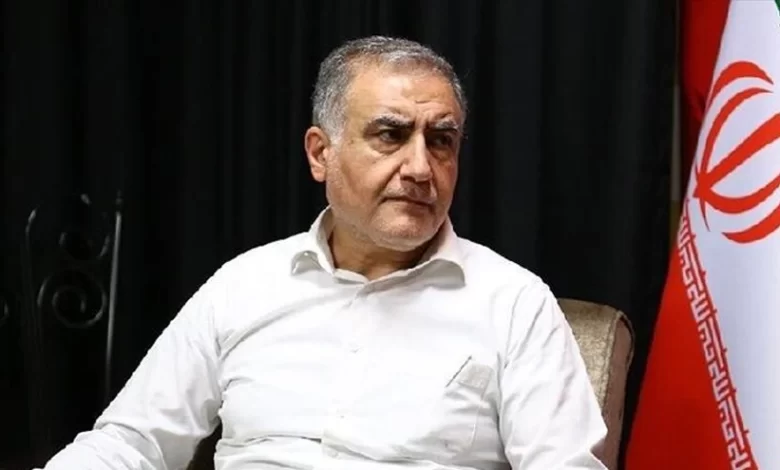
Alireza Biggi, a parliamentary representative, stated in his remarks that a parliament in which 180 of its members were heads of Raisi’s election campaign headquarters would not stand against tea debesh corruption.
Ahmad Alireza Biggi, representative of the people of Tabriz, while referring to the performance of the eleventh parliament, says: “Reviewing parliament’s performance requires its own special categorizations. First, the performance of the eleventh parliament, concurrent with the Rouhani government, and then the performance of parliament coinciding with Ibrahim Raisi’s government, had two different functions in these two periods. The Rouhani government in the eleventh parliament, which came to power after the November 2019 events, made promises that none were implemented. This parliament came to power with slogans such as transparency, solving inflation problems, resolving stock market issues, etc., but due to the weakness of the eleventh parliament, no effort was made to solve these problems. For example, to follow up on stock market issues, the president or minister of economy never appeared in parliament to explain the reasons for the problems. In other supervisory sections, attention to problems was also ignored.”
He continued regarding the twelfth government: “At the end of the twelfth government’s term, not only was no improvement observed in the performance of the eleventh parliament, but actions were taken that were perhaps unprecedented in Iran’s parliamentary history. 220 parliamentary representatives asked Ibrahim Raisi to participate in the elections. 250 representatives asked Raisi’s rivals to withdraw from the election marathon so he could gain more votes. Most importantly, 180 parliamentary representatives became heads of Raisi’s election campaign headquarters in their respective electoral districts. This situation is indicative of the depth of devotion and bias that parliament had toward the Raisi government. This caused parliament to retreat from its supervisory duties and holding the government accountable. People expected parliament to have precise oversight and proper planning for the path of progress, but this was accompanied by shortcomings.”
Alireza Biggi, while noting that parliament is never willing to revoke wrong procedures and government’s mistaken decisions, added: “Many incidents have occurred, one of which formed the disaster of tea debesh imports. The public expectation was that when the government’s first mistakes regarding Nowruz fruits occurred (which resulted in a yellow card for the agriculture minister) and then the issue of livestock input orders took shape, where there was actually no foreign input and only billions of tomans of people’s money were collected, and so on, necessary attention should have been paid to the mismanagement of the agriculture ministry so that the tea import disaster would not occur. However, parliament, in its supervisory capacity, despite being very grandiose in discussing supervisory Tuesdays, produced no particular output in people’s interest.”