Amnesty International: Iranian Officials Continue Systematic Cover-up of 1988 Executions
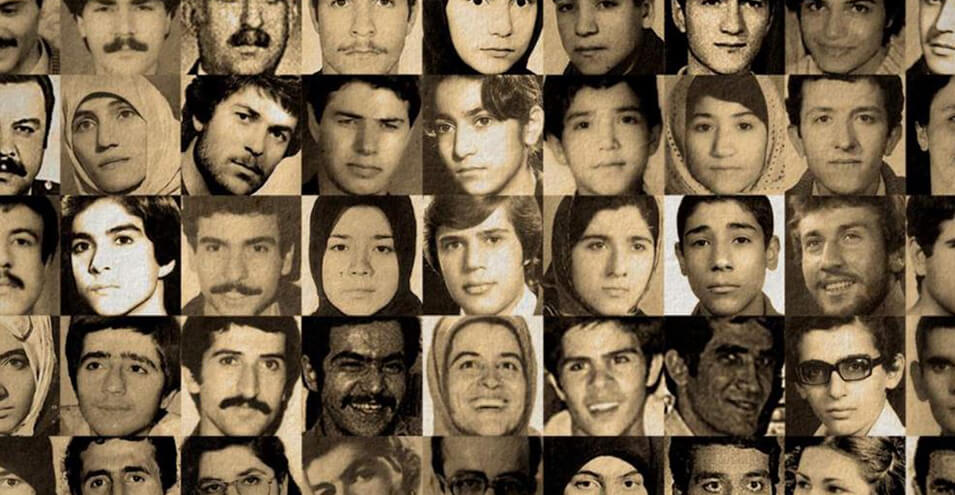
Amnesty International said in a statement on Tuesday, August 26, on the occasion of the International Day of “Victims of Enforced Disappearances” that Iranian officials and authorities continue to systematically cover up the execution of thousands of political prisoners during secret and extrajudicial executions in 1988.
Amnesty International, ahead of the “International Day of the Disappeared” on August 30, emphasized that the world has turned a blind eye to the widespread crisis of enforced disappearances in Iran.
In its statement, Amnesty International clarified that thousands of victims were executed across the country with no official records, and the bodies of thousands of the disappeared have been buried in mass graves. More than 30 years later, Iranian officials continue to deny the existence of such mass graves, refuse to disclose their locations, and cause immeasurable suffering to the families of the victims who are searching for traces of their missing loved ones.
Philip Luther, Director of Research and Advocacy for the Middle East and North Africa at Amnesty International, said: The families of those whose loved ones were secretly executed in the 1988 prison massacres continue to live in a nightmare.
Philip Luther clarified: We must not treat the 1988 mass killing as a historical event belonging to the past. The crime of enforced disappearance continues to occur, and after 30 years, families of victims continue to suffer due to the unknown fate and burial places of their loved ones.
Last December 4, Amnesty International, by publishing a 200-page report containing documents and evidence of the 1988 executions, called on the United Nations to conduct comprehensive and independent investigations into the scope of these executions. This human rights organization states that the 1988 executions constitute “crimes against humanity” because, according to Amnesty International, these executions were carried out pursuant to a fatwa by Ayatollah Ruhollah Khomeini, the then-leader of the Islamic Republic of Iran, and in an “extrajudicial manner, without following fair and legal proceedings.”
Due to the cover-up by Islamic Republic officials, there is no accurate count of those executed, but according to some estimates, around five thousand political prisoners, supporters of the Mujahedin-e Khalq Organization and leftist groups such as the People’s Fadaian and the Tudeh Party, were executed in Iranian prisons in the summer of 1988.
The burial location of most of those executed remains unknown, but in recent years, the destruction of several mass graves from the 1988 executions in a number of Iranian cities has been reported in the media.
In 2016, an audio file was released from a meeting and conversation between Ayatollah Hossein-Ali Montazeri, the dismissed successor to the founder of the Islamic Republic, and Hossein-Ali Nairi, the Sharia judge at that time, Morteza Ashrafi, the then-prosecutor of Tehran, and Mostafa Pourmohammadi, the then-representative of the Ministry of Intelligence at Evin Prison.
In this conversation, Ayatollah Montazeri refers to the mass killing of political prisoners as a crime. These three, along with Ebrahim Raisi, became known as the “death commission” among those who made decisions about the 1988 executions.
Source: Radio Farda