British Parliament: Islamic Republic Attempting to Assassinate Opponents
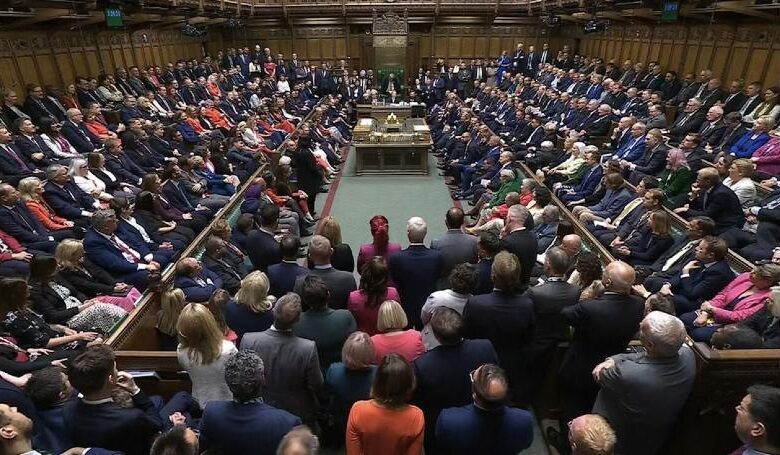
The British Parliament committee reported in a statement about attempts by the Islamic Republic to assassinate opponents on British soil.
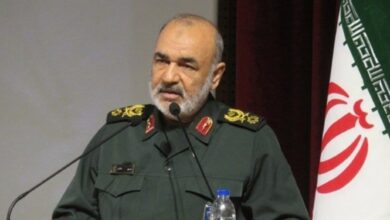
The Intelligence and Security Committee of the British Parliament, in a report released with the approval of the British Prime Minister’s office, announced that the Islamic Republic continues to attempt to assassinate its opponents on British soil. The report emphasizes that the Islamic Revolutionary Guard Corps plays a major role in planning and executing these actions.
Ken McCallum, head of Britain’s domestic security agency, publicly stated that British authorities have identified at least 10 cases involving threats, abduction, or killing of British citizens or residents of the country. Following the identification of these cases and in response to various threats against journalists, the British Foreign Office summoned a senior Islamic Republic diplomat.
In addition to Britain, the Netherlands also announced, through the publication of its annual intelligence and security report, that Iran attempted to assassinate an Iranian citizen residing in Haarlem, following which the Islamic Republic’s ambassador to the country was summoned. Spain also announced that Iran was involved in a failed assassination attempt in the country.
The aforementioned countries are not the only ones to have accused Iran of assassinating opponents on their soil; the United States has repeatedly accused the Islamic Republic in recent years of attempting to assassinate or abduct its opponents in the country. These assassinations began following the Islamic Revolution in Iran in 1979 and have continued to this day, including the assassination of Shahryar Shafiq, a senior officer of the Iranian Imperial Navy, in December 1979.
According to published reports, the Islamic Republic also pressures detained political, civil, and ideological activists to cooperate in the assassination of opponents. This issue has caused psychological tensions among ideological, political, and civil activists.