Bullets, Threats and Lies; Behind the Cover-up of Arin Nabati’s Death in Mashhad
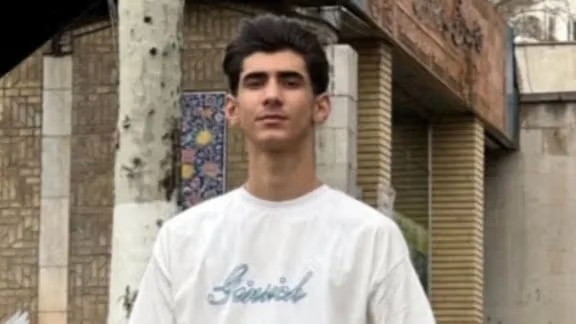
A narrative of a killing by bullets, threats and lies; a narrative of how the Islamic Republic seeks to conceal the truth about Arin Nabati’s death.
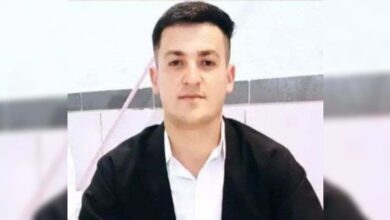
In the shadow of heavy silence from official media and amid deliberate denials, the name “Arin Nabati,” an 18-year-old teenager from Mashhad, has been added to a long list of victims whose official narratives of death differ profoundly from the testimonies of witnesses and family members. What the government denies, independent sources and family members recount in shocking detail; details that speak not only of a death, but of a recurring pattern of suppression and cover-up.
Based on published information and statements from an informed source close to the family, Arin Nabati on the 28th of Bahman set out by motorcycle with two friends to attend a memorial ceremony for those killed in the December protests in Mashhad. Hours later, this brief presence ended in tragedy.
According to this informed source, after the arrival of security forces, the participants dispersed. Arin and his friends also left the scene, but they were pursued. Witness accounts indicate that near one of Mashhad’s hospitals, gunshots were fired; their motorcycle overturned and Arin was shot.
This source close to the family also stated: “On the 28th of Bahman, Arin went to attend a memorial ceremony for those killed in the December protests in Mashhad, along with two of his friends on a motorcycle. According to those who were present, after security officials arrived, they fled the ceremony. Then, in pursuit by security forces, near one of Mashhad’s hospitals, Arin was shot and his motorcycle overturned. Under those circumstances, his friends fled the scene.”
This account aligns with previous reports about how security forces dealt with protest gatherings in various Iranian cities; a pattern in which pursuit, direct fire, and then denial have become a repetitive cycle.
What makes this case even more shocking is the description of injuries to this teenager’s body. According to the source close to the family, Arin was shot in the side, head, and chest; injuries that indicate gunfire with intent to kill, not accidental contact or unintended error.
Two days after the incident, the family was called to the hospital by telephone. But instead of explanation, they faced restrictions. According to this account, initially they were not allowed to view the body, and the corpse was placed in a black bag. They were told to leave the area and burial procedures would be handled. Only after insistence were the family able to bid farewell to their deceased son’s body for a few moments.
While some media outlets close to security institutions have denied Arin’s death during the protests, the same source says the family has been under pressure. According to him, these pressures led Arin’s father to deny that his son was killed by gunshot during protests in a phone interview with a domestic media outlet.
This method is not unfamiliar to the Iranian public: “Security pressure, obtaining denial interviews, restricting funeral ceremonies and preventing the formation of sympathetic gatherings.” In numerous cases in recent years, families of protest victims have reported facing direct threats; threats of detention, job loss, or even harm to other family members.
Arin’s family had been emphatic that they were not permitted to hold a public ceremony. Ultimately, the funeral was held under restricted conditions and without widespread notification; a method aimed at preventing a mourning ceremony from becoming a scene of protest.
Arin Nabati, son of Alireza, was born on May 19, 2007 in Mashhad. He was only 18 years old; a generation that in recent years has been seen on the front lines of protests more than ever before.
Arin’s case is not merely the narrative of a teenager’s death; it is a reflection of a structural system in which the response to civil protest is given by bullets, and afterward, a propaganda apparatus enters the scene to erase the bloodstain.
For a Christian media outlet, a fundamental question is raised: How can a government that claims moral and religious values remain silent in the face of spilled youth blood and then force grieving families to deny the truth? Truth, however suppressed, does not remain silent.
What happened today in Mashhad has only added another name to the list of victims; but each name is a story that calls public conscience to judgment. The question is: For how long will “bullets, threats and lies” be the tool of maintaining power, and when will justice replace denial?