Chaharshanbe Suri: Clash of Light and Threat in Iran’s Streets
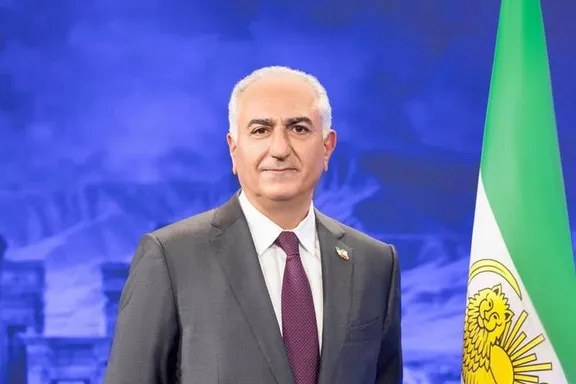
On the eve of the ancient Chaharshanbe Suri ceremony, Prince Pahlavi called on people to participate in the ritual, while the Islamic Republic government threatened citizens and warned them against it.
As the ancient Chaharshanbe Suri ceremony approaches, Reza Pahlavi issued a message calling on the Iranian people to hold this celebration peacefully and free from tension. In his message, he emphasized:
“My compatriots,
On the eve of Chaharshanbe Suri, the anti-Iranian regime of the Islamic Republic is once again trying to prevent the holding of this national and ancient ceremony. But this year we will celebrate Chaharshanbe Suri in memory of the brave ones who sacrificed their lives to reclaim Iran and our national identity, with national zeal.
Our message is clear: our fire, the symbol of Iran’s light and purity, will triumph over the darkness and filth of this un-Iranian regime and will cleanse Iranian soil from criminal occupiers.
I also call on all Iranians abroad to gather in front of the regime’s embassies around the world on Chaharshanbe Suri and cry out: Until Iran is free and the Islamic Republic is erased from the pages of history, the Iranian nation will not rest.
I also call on the President of the United States and the Prime Minister of Israel to carefully monitor the developments of this day and not allow the Islamic Republic to deal violently with the brave Iranian people during this national celebration. By holding a grand Chaharshanbe Suri, we welcome Nowruz and the spring of Iran’s freedom, and we show that the day of Iran’s liberation is near.”
Simultaneously with this appeal, media outlets and channels close to the Islamic Revolutionary Guards Corps adopted a harsh and warning approach toward holding this ceremony. In this climate, participation in Chaharshanbe Suri gatherings has been presented not as a cultural tradition, but as conduct subject to prosecution, and there have been implicit references to serious confrontations with participants.
This type of rhetoric, accompanied by references to examples of conduct in other countries, seeks to send a clear message: “Any street presence may be met with harsh reactions.” Such an atmosphere has effectively transformed the ancient Chaharshanbe Suri from a joyful public celebration into a high-risk event in public perception.
Chaharshanbe Suri, which has roots in pre-Islamic Iranian history, has always been a symbol of purity, renewal, and the triumph of light over darkness. However, in recent years, this ceremony has increasingly gained meaning in the context of political developments.
Prince Pahlavi also addressed government forces in another section of his message, warning: “People will peacefully celebrate Chaharshanbe Suri tonight. From 6 p.m. onwards, leave the streets, alleys, and neighborhoods, and do not stand against the people. Let this night end in peace. The consequences of remaining in the streets and suppressing the people’s peaceful celebration are on you.”
Prince Pahlavi also emphasized in his message and called on people to, with full awareness, refrain from any tension, confrontation, and even approaching the regime’s agents in the streets; he also added: “The goal of evil forces is to lead the celebration of light, purity, and your lives into darkness, filth, and death. Do not give them this opportunity.”
With a critical perspective, one can say that placing cultural ceremonies at the center of political conflicts, while it can carry protest messages, also carries the risk of deviating from the original function of these traditions. Chaharshanbe Suri, as a celebration of light, now stands at a point where it wavers between hope for change and the shadow of threat.