Disclosure of “Saleha Akbari’s” Murder: A Shocking Account of Direct Gunfire and Bloody Crackdown in Iran
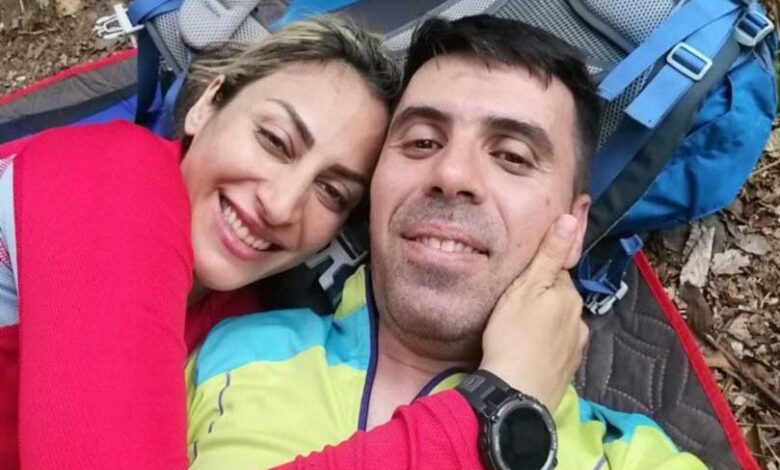
The killing of “Saleha Akbari” in her private residence by bullets from suppression forces is a revelation that came late to media outlets due to pressure on her family.
In continuation of disclosures about the violent suppression of public protests in Iran, new details have emerged regarding the death of “Saleha Akbari,” revealing shocking dimensions of the conduct of the Islamic Republic’s security forces; an account that, according to informed sources, remained hidden for a long time due to severe security pressure on the victim’s family and has only recently been leaked.
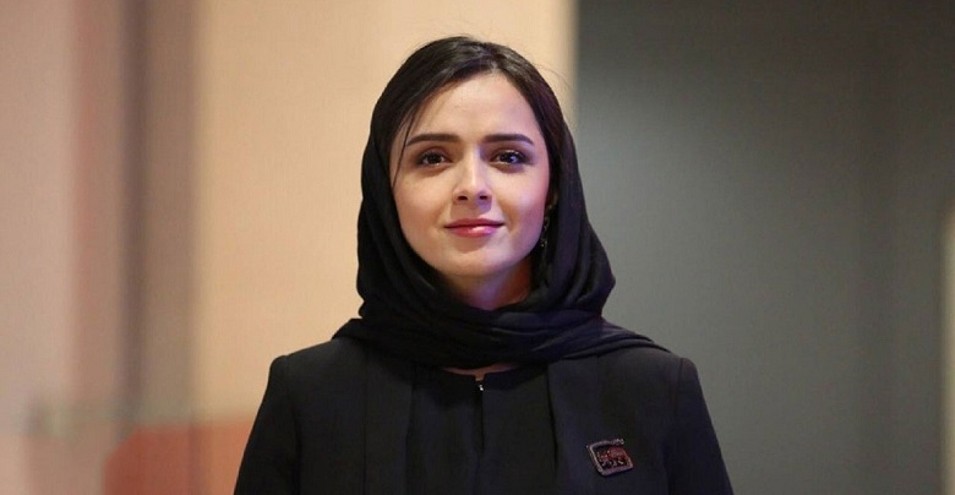
According to the report, Saleha Akbari from Arak, an operating room technician and active athlete and mountaineer, lived in Ardabil with her husband “Ahmad Khodai,” a former mountaineer, and their eight-year-old daughter after their marriage. The couple participated in Ardabil’s public protests during the nationwide uprising in December in response to protest calls.
Informed sources say the couple, due to their medical assistance skills, rushed to help the wounded during the days of protest; a humanitarian action that came at the cost of one of their lives. According to these sources, after identifying the couple, security forces raided their home on December 22.
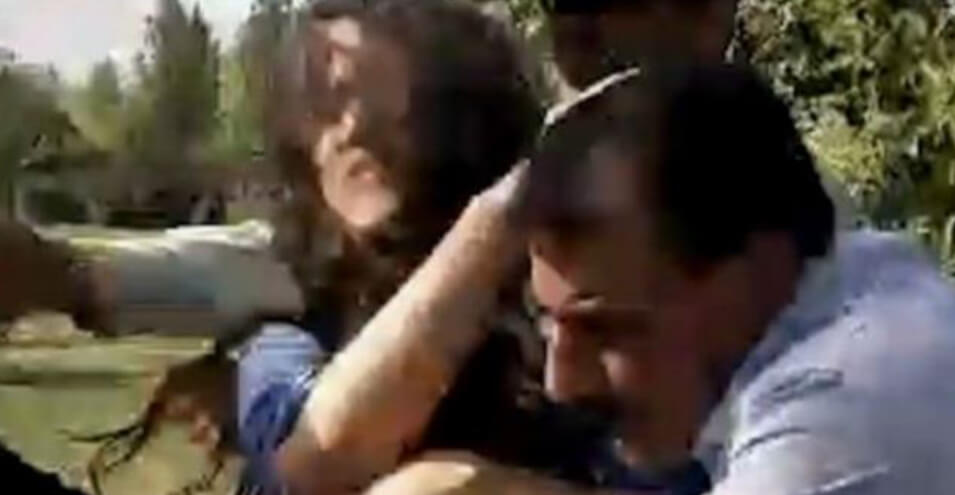
In this source’s account: “Security officers, after attacking their house, beat Ahmad Khodai, tied his hands and feet, and intended to take him with them. At that moment, Saleha, Ahmad Khodai’s wife, stood in front of the security officers to defend her husband. She picked up the only defensive tool at hand—a small mountaineer’s axe—and threatened the officers to release her husband and untie his hands and feet. However, in response, the security officers fired military-grade weapons at Saleha’s chest, and she died on the spot.”
This is only part of the story. What makes this account one of the most bitter examples of human rights violations in recent months is the continued conduct of security forces after this killing. This informed source continues: “In front of Ahmad’s eight-year-old daughter’s eyes, the security officers, alongside Saleha’s blood-soaked body, took him away with his hands bound and left the eight-year-old girl alone and crying in the house. Ahmad was imprisoned for some time until, after months, he was released from prison on a heavy bail. During the time Ahmad Khodai was imprisoned, security officers handed Saleha’s body to his family in Arak and forced them to bury their daughter’s body anonymously with a cemetery number in Arak cemetery.”
The publication of this account has once again drawn attention to suppression methods in Iran during recent months; a period in which multiple reports have been published about the use of deadly violence against protesters, widespread arrests, pressure on families, and attempts to conceal the truth.
Human rights observers have repeatedly warned that the Iranian government not only used unprecedented violence in dealing with protesters but also attempted to prevent the disclosure of facts through threatening and intimidating the families of victims. In many cases, families have been forced into silence or pressured to conduct burial ceremonies without public announcement.
Meanwhile, accounts such as that about Saleha Akbari demonstrate how even humanitarian actions such as providing medical assistance to the wounded have not been immune from the eyes of security forces and can result in deadly confrontation.
The belated disclosure of this news itself is a sign of the heavy security atmosphere prevailing in society; an atmosphere in which truth sometimes only finds opportunity for publication after time passes and pressure is relatively reduced. Nevertheless, the publication of such accounts provides a clearer picture of what Iranian citizens experienced during the protests; a picture that remains accompanied by serious questions about accountability and justice.