Four Baha’i Citizens Sentenced to 16 Months in Prison in Kerman Court of Appeals
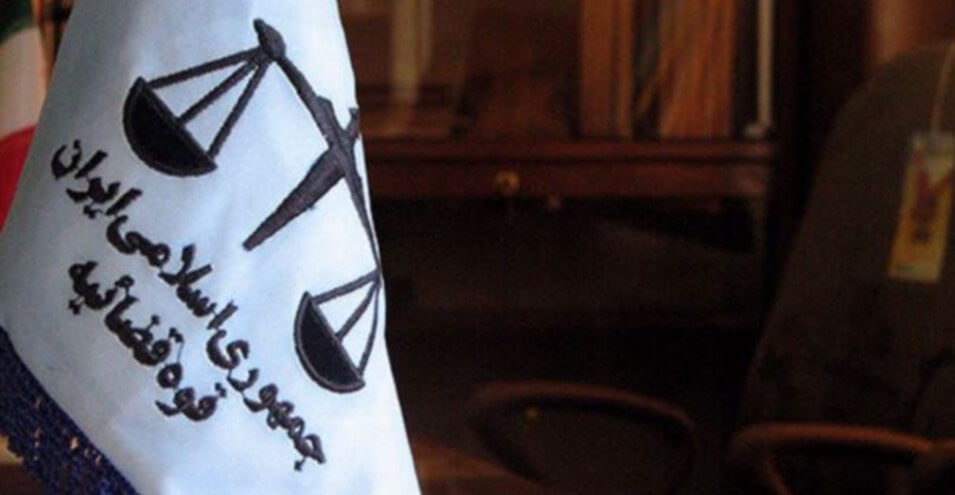
The 20-year prison sentence handed down against Ehsan Allah Amiri-Nia, Nima Rajab-Zadeh, Arman Bandi Amirabadi, and Amorallah Khalegian, four Baha’i citizens residing in Kerman Province that was previously issued by Kerman Revolutionary Court, has been reduced in the province’s court of appeals.
According to the Iran Human Rights website, the 20-year prison sentence for these Baha’i citizens, which had previously been issued by the first branch of Kerman Revolutionary Court on charges of “actions against national security through Baha’i propaganda,” was reduced to 16 months in prison on Wednesday, February 2 following a ruling issued by branch 1 of Kerman Province’s court of appeals.
Based on this report and according to the issued court document, the court, citing articles 37 and 38 of the Islamic Penal Code with a two-degree reduction, reduced the conviction issued against these four Baha’i citizens from 5 years for each individual to 4 months in prison for each.
The Iran Human Rights website also stated that the hearing session for the case of these Baha’i citizens in the appeals review stage was held on April 28 under the presidency of court advisors Mohammad Mohaghegh and Majid Zeinoldin-Nia.
According to this report, Amorallah Khalegian was arrested on December 1, 2016, and Ehsan Amiri-Nia, Nima Rajab-Zadeh, and Arman Bandi Amirabadi were arrested on February 9, 2017, in their private residences by security forces and were released from Kerman Prison in June 2017 after posting bail as a temporary measure until the end of legal proceedings.
The treatment of Baha’i citizens by the Islamic Republic has a long history, and this is not the first time that a Baha’i citizen has been arrested solely because of their belief in the Baha’i faith and sentenced to judicial rulings.
Previously, the 11-year prison sentence of Ali Ahmadi Baha’i, a resident of Qaemshahr, which had been issued by Qaemshahr Revolutionary Court on charges of “propaganda against the system” and “managing Baha’i administrative organizations,” was confirmed by branch two of Mazandaran Province’s court of appeals.
Recently, representatives of 33 countries, including the United States, on Friday, November 8, in a periodic session reviewing the status of human rights in Iran, criticized the violation of the rights of ethnic and religious minorities, including Baha’i citizens in Iran, and called on the Iranian government to respect their rights.
International human rights organizations and the United States government have repeatedly condemned the harassment and imprisonment of followers of religious minorities in Iran.
Javaid Rehman, the United Nations Special Rapporteur on Human Rights in Iran, also stated in August of this year in his second report on the human rights situation in Iran that the Islamic Republic no longer executes Baha’is solely because of their religious beliefs, but the danger of raids, arrests, and imprisonment of them continues to exist, and since August 2005, more than 1,168 Baha’is have been arrested and faced vague and ambiguous charges.
Source: Voice of America