From Kian Pirfalak’s Grave to Unnamed Detention Centers; Seven Citizens in the Shadow of Security Silence
In recent days, at least seven citizens in Izeh, Piranshahr, and Malakan have been arrested or disappeared by the Islamic Republic’s security forces; Jamshid Molaei, a relative of Kian Pirfalak, three Kurdish citizens, two former political prisoners, and also Ahed Aliyoond, a civil activist and content producer, are among these individuals. While the families of the detainees are unaware of their detention locations and charges, human rights reports indicate the continuation of arrests without formal notification and the deprivation of some detainees from contact with family and access to lawyers.
One of the most newsworthy cases is the arrest of “Jamshid Molaei,” known as “Rayka,” in Izeh County; a person considered to be a close relative of the family of Kian Pirfalak, the 10-year-old child killed during the 2022 protests.
According to reports, Molaei was arrested by security forces in the final days of Mordad in Izeh, and so far no official information has been published about the detaining agency, his detention location, or his possible charges. “Mitham Pirfalak,” Kian’s father, announced his arrest and said that Molaei has diabetes and requires medical care and regular medication.
His arrest occurred approximately one week after the restoration of Kian Pirfalak’s grave; however, no official source has declared a connection between the grave restoration and Molaei’s arrest.
Iran International also reported, citing informed sources, that security forces raided the village of Parchestan Gorouei in Izeh County on the evening of August 25 and arrested Jamshid Molaei along with Ismail Molaei and Hossein Molaei.
According to the same report, Khuzestan’s Revolutionary Guards Corps forces, supported by reconnaissance drones and armored vehicles, participated in this operation. Also, according to this report, after initial transfer, Jamshid Molaei was taken to a hospital with a fractured arm and signs of injuries, and then again taken by security forces to an unknown location. These details have not been confirmed by Islamic Republic officials.
The arrest of Jamshid Molaei gains special significance because his name is intertwined with the Kian Pirfalak family; a child who died during the 2022 protests in Izeh and whose death became one of the symbols of those protests.
The Pirfalak family has also faced security and judicial pressures in recent years, including restrictions against Mahnaz Molaei-Rad and Mitham Pirfalak, Kian’s parents, as well as treatment of other family members.
In one of the previous human rights reports, it was mentioned that family members of Pirfalak faced summons and arrest after Kian’s mother protested the government’s official narrative about her son’s death. Therefore, the recent arrest of a member close to this family has once again increased concerns about the continued pressure on families of claimants for justice.
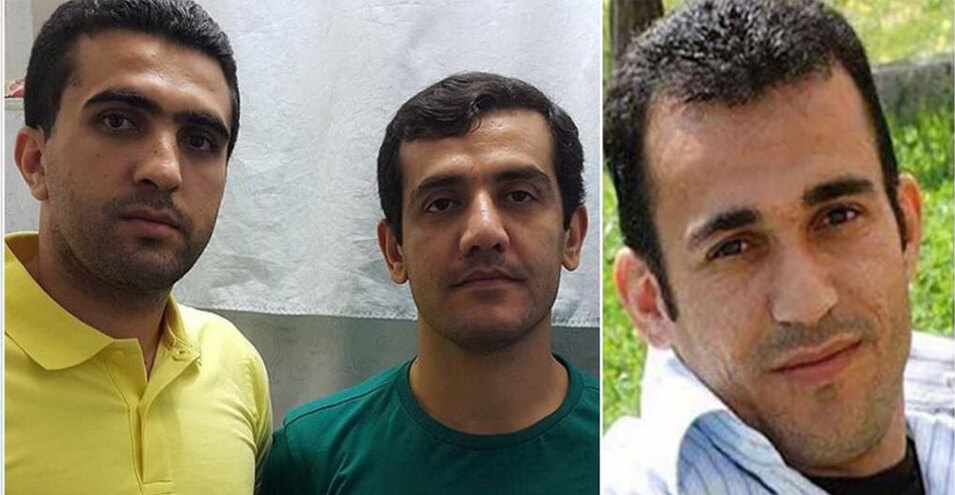
Simultaneously with developments in Izeh, three Kurdish citizens were also arrested in Piranshahr, West Azerbaijan Province. “Soran Mahmoudi,” “Mohammad Danesh-Mayeh,” known as “Mohammad Bi-Vafa,” and “Luqman Seyed” were arrested on the morning of Sunday, August 23 by security forces and transferred to unknown locations.
A report by Hengaw and Kurdpa indicates that Mahmoudi and Danesh-Mayeh were arrested in their homes and security forces did not present a court order for their arrest. Luqman Seyed was also arrested in the village of Pesawa, under the jurisdiction of Piranshahr, following security forces’ entry into his house.
According to these reports, all three have been deprived of phone contact with family, visits, and access to lawyers since their arrest, and security officials have provided no explanation regarding the reason for their arrest or their possible charges.
The Hana Human Rights Organization also reported the arrests and stressed that there is no information available about the reason for the arrests, possible charges, and the judicial authority handling the cases.
Soran Mahmoudi had previously faced a security case. He was arrested in October 2023 and, following the end of interrogation, was transferred to Qarchak Prison. In November of the same year, he was temporarily released on a bail of three billion tomans.
After that, the first branch of the Mahabad Revolutionary Court sentenced him to three years imprisonment in April 2024 on the charge of “membership and cooperation with the Democratic Party of Iranian Kurdistan.” Human rights reports say he is now once again in detention under circumstances where the reason for his new arrest has not been disclosed.
Mohammad Danesh-Mayeh also has a history of arrest in 2023. Regarding his new case, no specific charge has been announced by official authorities so far. The arrest of these three occurred at a time when Piranshahr and other Kurdish-populated areas in western Iran have witnessed multiple arrests in recent weeks.
The Kurdistan Human Rights Network announced on August 18 that at least 26 Kurdish citizens had been arrested since July 23 in various cities by forces of the Ministry of Intelligence and the Revolutionary Guards Intelligence Organization. This network has also reported that in various cases, families, after visiting security and judicial institutions, have been unable to obtain information about the status or detention location of those arrested. This same organization reported a few days later on the continuation of arrests of Kurdish citizens in Piranshahr, Boukan, and Oshnaviyeh.
This collection of reports shows that the recent arrests in Piranshahr cannot be limited to a single isolated case; rather, they are reported within the framework of a broader wave of security arrests in Kurdish-populated areas.
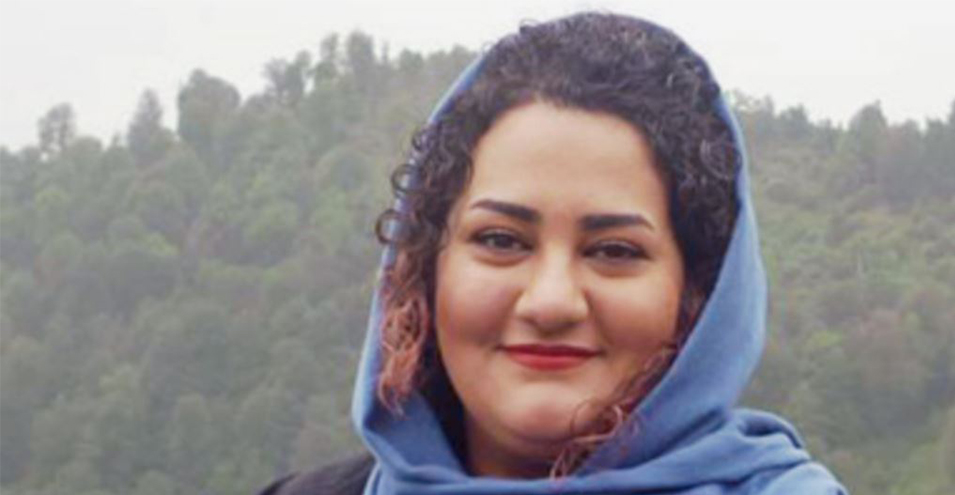
In another part of Iran, “Ahed Aliyoond,” a civil activist and digital content producer, has been in detention since August 16. Aliyoond was arrested in Malakan city by government security forces, and after one week has passed, accurate information about his legal status, detention location, or health condition remains unavailable.
His family and close associates have continuously contacted Malakan’s security institutions and judicial authorities to follow up on his condition, but according to reports, the relevant officials have not provided clear answers regarding the charges or his detention location. Currently, no specific charge announced by the Islamic Republic’s official authorities against Aliyoond has been published in official sources.
Although Jamshid Molaei in Izeh, three citizens in Piranshahr, and Ahed Aliyoond in Malakan have different cases, a common thread is seen in the reports about them: “the absence of official and transparent information about the status of the detainees.”
In Molaei’s case, his detention location and charges have not been disclosed. Regarding Mahmoudi, Danesh-Mayeh, and Seyed, human rights sources have reported their transfer to unknown locations and deprivation from contact with family and access to lawyers. Regarding Aliyoond, after one week has passed, clear and official information about his status has still not been released.
This situation increases concerns about the possibility of detainees being held in security detention centers and the prolonging of families’ period of not knowing; although without independent confirmation, one cannot make definitive statements about the exact location of these individuals’ detention.
Human rights reports on these cases have once again highlighted the issue of arrests without public notification, deprivation of access to lawyers, and families’ lack of information.
According to international human rights standards, a detainee should be informed of the reasons for their arrest and have access to legal proceedings and legal protection. Human rights organizations have repeatedly warned in recent years about the widespread use of security arrests and the detention of individuals in unknown locations in Iran.
In the recent Piranshahr cases, Hengaw and Kurdpa have specifically reported that security forces did not present court orders when arresting the three citizens, and families have remained unaware of their fate.
From Izeh to Piranshahr and Malakan, reports published in recent days present an image of increased security pressure on various groups of citizens; from families of claimants for justice and relatives of protest victims to civil activists and Kurdish citizens who previously had a history of political convictions.
In Izeh, the name of Kian Pirfalak has been raised again following the arrest of one of his family members. In Piranshahr, three citizens were arrested in one night and transferred to unknown locations, and in Malakan, a civil activist’s family, after one week has passed, still has no clear information about his status.
In none of these cases, at the time of publication of this report, have Islamic Republic officials provided a comprehensive explanation about the charges against the individuals or their detention locations.
What concerns the families of these individuals most now is not only the arrest itself, but the lack of information about their fate and the absence of transparent information about the judicial process of their cases; a matter that, if it continues, could create more serious concerns about the respect for the legal rights of the detainees.