Germany Takes First Step in Implementing Europe’s Refugee Law Reforms
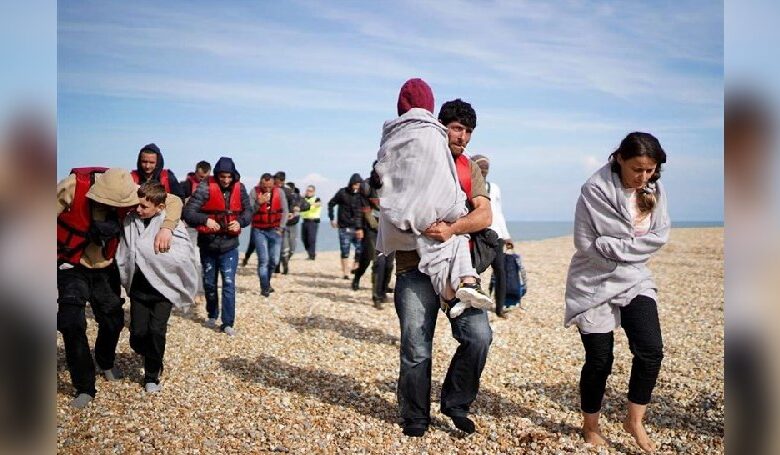
In pursuit of curbing illegal migration and expediting case processing, preparations for reforming Europe’s refugee law were approved in Germany.
After months of struggle within the coalition government, the German cabinet finally approved two bills on Wednesday, September 3 (Shahrivar 12), relating to amendments to domestic laws to align with the new European refugee system. These reforms are part of a broader agreement among EU member states that was reached in spring 2024 following lengthy negotiations and is set to be implemented across the EU starting summer 2026.
Implementing this decision required changes to Germany’s national laws, but disagreements between ministries had delayed the approval process. The Interior Ministry, led by Alexander Dobrindt, held the view that detention of migrants who violate residency obligations should be permitted to prevent them from disappearing. Conversely, the Justice Ministry raised legal concerns, and the Labor Ministry emphasized the need for faster employment opportunities for asylum seekers.
According to the new bills, asylum seekers previously registered in one of the EU member states will be required to settle in designated centers. Additionally, their access to social services in cases such as violence or breach of regulations can be reduced to a minimum. Dobrindt described these changes as an important step and added: “This is not the end of the road, and many member states will pursue stricter measures.” He specifically alluded to the idea of establishing return centers outside the EU for those who cannot be returned to their country of origin but have no right to remain in Europe.
The new European refugee system is designed to create uniform procedures at the EU’s external borders. These changes will include identity verification of newcomers, immediate return if asylum conditions are not met, and a more equitable distribution of applicants among member states. However, human rights organizations have warned about the consequences of these decisions, including the possibility that even minors may be detained in border procedures unless they are unaccompanied.
It is worth noting that many migrants and asylum seekers, particularly from countries such as Iran and Afghanistan, have been forced to leave their homeland due to political pressures, ideological restrictions, or governmental conditions. This reality requires greater sensitivity in dealing with the new laws.
Previously, in November 2024, Germany’s former government had approved a similar proposal, but just hours later, with the collapse of the ruling coalition, this initiative remained incomplete. Now, with the recent government decision, the path to implementing these reforms has been smoothed once again.