Prince Reza Pahlavi: Iran’s Future Is Determined by Free Choice of the People
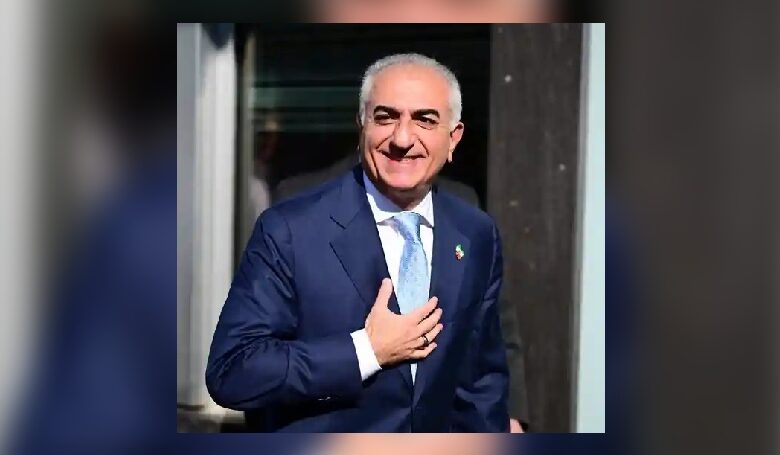
Prince Reza Pahlavi at the Berlin Conference, while emphasizing the free choice of the people, criticized Western policies and warned of the continued threat posed by the Islamic Republic.
In continuation of political activities by Iranian opposition figures in Europe, Reza Pahlavi, during his visit to Germany, expressed his views on Iran’s political future, the role of the global community, and the necessity of returning sovereignty to the people; positions that have received extensive coverage in international media.
On Thursday, April 23, corresponding to Ordibehesht 3, in his remarks to the German Parliament, while emphasizing the role of the people in determining the country’s destiny, he said: “I am not the final decision-maker. My proposal is to hold free elections so that the people can determine the path of their own future.”
This emphasis on “free choice” comes at a time when many human rights organizations have repeatedly warned in recent years about political restrictions, the absence of competitive elections, and the suppression of opponents in Iran.
In another part of his remarks, Reza Pahlavi criticized the policies of Western countries toward the Islamic Republic and called for a change in their approach. He stated: “The world should apologize to Iranians for years of ignoring the Iranian people and appeasement of the Islamic Republic.”
Referring to numerous protests in past decades, he added that the Iranian people have repeatedly risen up for change, but all they have received are “symbolic gestures.”
This position is being raised while in recent years, reports from international organizations, including human rights groups, have documented violent confrontations with protesters in Iran.
Reza Pahlavi also warned about the consequences of the continued rule of the Islamic Republic for regional and European security, saying: “As long as the Islamic Republic is in power, Europe will continue to face threats, and no negotiations or agreements will eliminate this threat.”
Referring to the Islamic Republic’s regional policies, he considered this system a source of instability in the Middle East; a matter previously raised in reports by some Western media outlets and security analysts.
In another section of these remarks, the situation of human rights in Iran was addressed. He said: “Even as we speak, the Islamic Republic has sentenced 20 political prisoners to death.”
He also referred to communication restrictions and added: “For weeks, people’s access to the internet has been disrupted or cut off.” A matter that has also been reflected in reports by international organizations.
Referring to the gathering of Iranians on February 14 in Munich, Reza Pahlavi urged European governments to pay attention to the demands of Iranians abroad and said: “Europe should listen to the demands of Iranians outside the country and should not enter into negotiations with those who have forced them into exile.”
These gatherings, held in various European cities, are considered indicative of increased political activity by Iranians outside the country.
He also addressed the historical relationship between Iran and the Jewish people in this discussion and said: “I am a friend of Israel and the Jewish people, because once again, as one of the descendants of Cyrus the Great, I take pride in the fact that one of the most fundamental foundations of human rights was shaped during his era; through his charter, which is now displayed throughout the world. The very charter that has been referenced in the United Nations. At one point, the principles of freedom gained meaning when he freed the Jewish slaves in Babylon and helped them rebuild their temples in Jerusalem.”
He continued by referring to the historical and religious ties between the two peoples and added: “Iranians and Jews have a historical and biblical relationship. In fact, there are only two nations that can change this. In contemporary history, Iran was not the only Middle Eastern country that provided refuge to Jews fleeing Adolf Hitler and his rule. They found refuge in Iran. This is part of our history. This is part of our tradition of providing refuge to people who have been persecuted.”
Reza Pahlavi’s positions are being raised as discussions about Iran’s political future continue both domestically and internationally. The emphasis on free elections, criticism of global policies, and reference to historical and religious values demonstrate that efforts are underway to outline a different vision for Iran’s future.
Meanwhile, many observers believe that what matters most is that the voice of the Iranian people be heard and conditions be created so that they can choose their own future path without pressure and restrictions.