Iran’s Government Should Address Water Crisis Instead of Suppressing Protesters
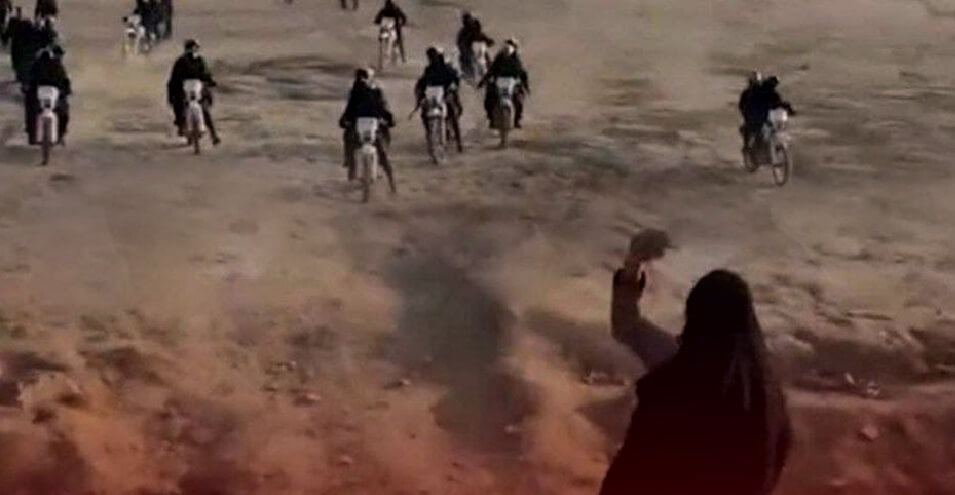
The violent suppression of protesting citizens in Isfahan by security and military forces once again demonstrated that the Islamic Republic of Iran’s governance knows no way other than crackdowns, arrests, distortions, and denial of existing reality when facing the demands and wishes of protesting citizens.
The government’s track record of dealing with public protests and its intensifying use of violent methods against protesters shows a clear sign of the ruling establishment’s intolerance of any voice of protest from those who have no choice but to take to the streets to secure their basic rights.
Hadi Ghayemi, director of the Iran Human Rights Campaign, referring to the Isfahan protests, said: “The protests by various segments of society are a reaction to the government’s failure to address fundamental crises, and the suppression of protesters demonstrates that the government has neither the will nor the plan to resolve people’s grievances and problems.”
According to Hadi Ghayemi, “The officials of the Islamic Republic are primarily responsible for the lives and safety of protesters who have been injured and arrested in recent protests.”
The Iran Human Rights Campaign strongly condemns the severe suppression of protesters by the government and calls on the officials of the Islamic Republic of Iran to recognize people’s right to protest the water crisis. The Iran Human Rights Campaign also demands the legal prosecution of those who ordered and executed the violent suppression of protesters against the government’s failure to solve the water shortage crisis in Isfahan. Officials who, instead of listening to people’s voices of protest and seeking solutions to their problems, issue and execute orders to shoot at protesters.
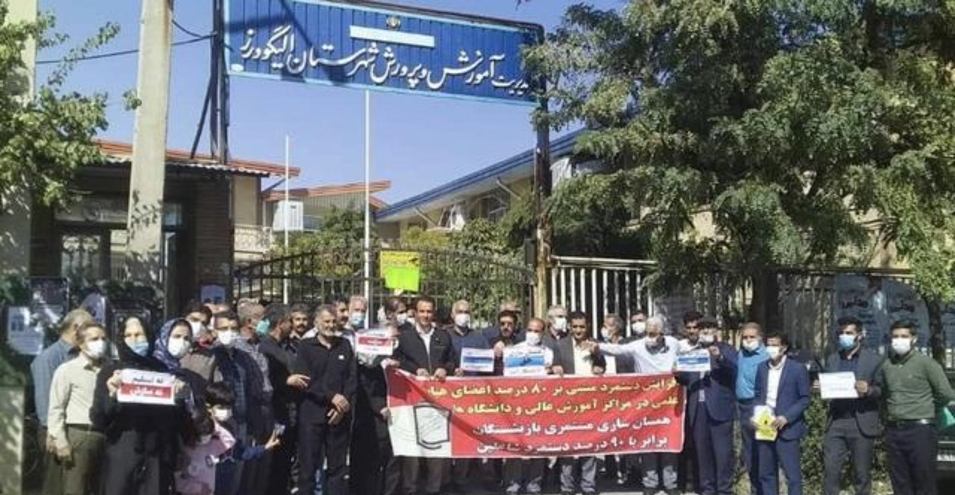
Farmers’ protests against the water shortage crisis in Isfahan Province began in mid-November and gradually became more widespread, with more people joining the movement in support of farmers. In an unprecedented gathering in the dried-up Zayandeh River bed, they engaged in protests and strikes. In the initial days, government media outlets such as IRIB also covered these protests and attempted to co-opt them in favor of the government, but after some time, on Wednesday, December 3rd, government officials set fire to several tents of protesters that had been stationed in the Zayandeh River bed, and the Isfahan prosecutor announced the arrest of some individuals involved in tent removal. After this, clashes between military and security forces intensified, and simultaneously, reports of widespread internet outages in Isfahan Province were released.
At a time when the Islamic Republic violates basic principles of human rights through its actions, the international community should not overlook these behaviors and should examine and evaluate the government’s violent suppression and forceful treatment of protesters as part of systematic human rights violations in Iran.
Shooting at Protesters and Arrest of Children
Despite peaceful protests being recognized in Article 27 of the Islamic Republic of Iran’s Constitution, the government has placed military and security forces in the frontline of dealing with Isfahan protests, turning the Zayandeh River blood-stained!
Although ordinary people and farmers participated in these protest gatherings with empty hands and without any weapons to demand water, in practice, the government’s intolerance of any voice of popular protest caused military and security forces to be positioned in the frontline of dealing with Isfahan protests. The use of violent methods by these forces turned the scene of protests and strikes into a blood-stained scene. Beatings by officers caused injuries to many protesters, and a number of citizens were also arrested by security personnel.
MohammadReza Mirheidari, the police commander of Isfahan, in an interview with Iran’s television news network, spoke of “cooperation among the police force, Basij, Revolutionary Guards, and intelligence agencies” for suppressing and arresting protesters. Photos and videos released from the protests show that military and security forces fired at protesting citizens. In images released from some of the wounded, it is clear that buckshot bullets were fired at the heads and faces of protesters. According to some reports, at least 19 of the wounded are hospitalized solely in ophthalmology departments of medical centers, and official sources reported the condition of 2 victims as critical.
Concerns About the Situation of Detainees
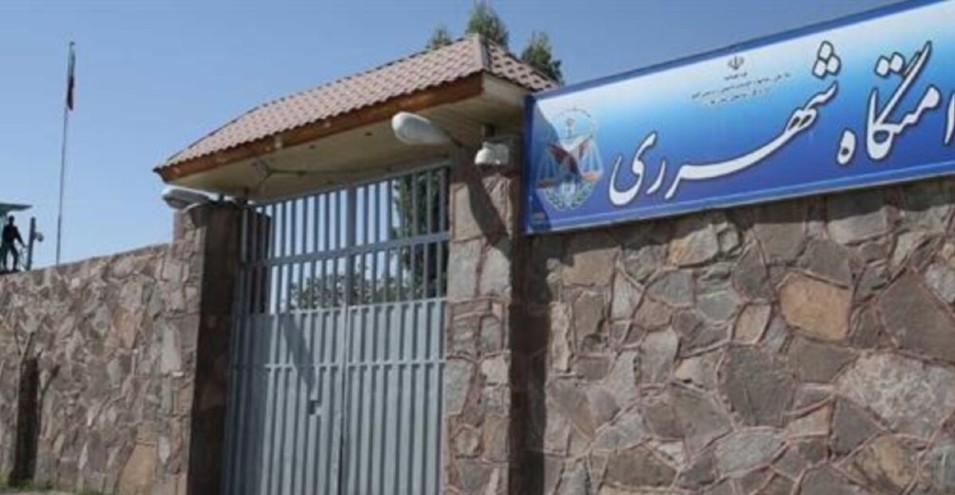
According to human rights organizations’ reports, at least 214 people, including 13 children, were arrested during the protests in recent days in Isfahan. There is no precise information about the condition of some detainees. However, some reports indicate that a number of detainees have been transferred to Isfahan Prison, Khomeini Shahr Prison, and Isfahan Women’s Prison.
Earlier, Hassan Karami, commander of IRGC special units, reported the identification and arrest of 67 main instigators of the protests by covert intelligence agents of the special units.
The police commander of Isfahan Province, referring to the arrest of some individuals, claimed that: “Some individuals were armed with belt weapons, and arrests have been made in this regard, and decisive judicial proceedings await them.”
The police commander of Isfahan Province refrained from mentioning exact numbers of arrests but said that the police force, Revolutionary Guards, and judicial system would announce the number of detainees.
Iran’s Human Rights Organization had reported that on the afternoon of Saturday, December 7th, a number of detainees were transferred to “Dastgerd Prison.” Citing an informed source, the organization wrote that among these individuals were those who had been wounded with “buckshot” or had suffered serious injuries from beatings by officers.
Source: Iran Human Rights Campaign