New Balochistan Law Challenges Harmful ‘Child Marriage’ Traditions
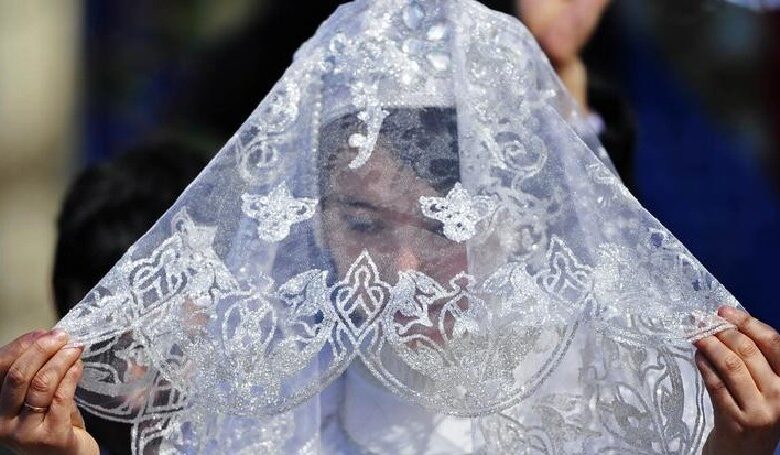
The passage of a new law in Balochistan is a serious step against “child marriage” and a response to years of child abuse under the guise of social traditions.
In an unprecedented and controversial development, the Balochistan Provincial Assembly of Pakistan passed a bill aimed at ending one of the most common and harmful social phenomena in the country (child marriage), raising the legal age of marriage to 18 years. The new law, introduced under the title “Balochistan Child Marriage Prevention Law 2025,” is now on the Governor’s desk for signature and finalization.
For the first time in Balochistan, this law imposes specific and severe penalties for those committing child marriage: “2 to 3 years imprisonment for adult men and individuals who facilitate such marriage, a fine between 100,000 to 200,000 rupees and, if unpaid, an additional three months imprisonment.”
Furthermore, marriage registrars and local council employees are required to verify the identification documents of both parties before registering a marriage. Failure to do so is considered an offense punishable by up to one year imprisonment and a 100,000 rupee fine.
With the implementation of this bill, the 1929 colonial-era law, which no longer addresses current realities, will be repealed in Balochistan. The new law also voids marriages conducted under pressure, coercion, or in an unethical manner and requires the government to develop detailed implementation regulations within six months.
Despite the importance of this measure, the assembly atmosphere during the vote was tense. Islamist representatives strongly opposed the law, with some surrounding the Speaker’s position and even tearing up copies of the bill.
Younis Aziz Zahri, the leader of the opposition, responded to the new law saying: “This law has only been passed to satisfy non-governmental organizations.”
Asghar Tarin, another opposing representative, also warned: “We will challenge this law in court.”
Despite these conflicts, the passage of the bill demonstrates that part of Pakistan’s governmental structure, particularly in Balochistan, is making efforts to curb forced marriage and child marriage, which have long destroyed the futures of thousands of girls and boys under the guise of an incorrect tradition.
This change, if accompanied by sufficient oversight and decisive implementation, could be a turning point in combating hidden violence against children in Pakistan and provide new hope for generations who have been victimized by unjust customs.