Shocking Revelations About Iran: From Structural Corruption to Spiritual Yearning in the Heart of Crisis
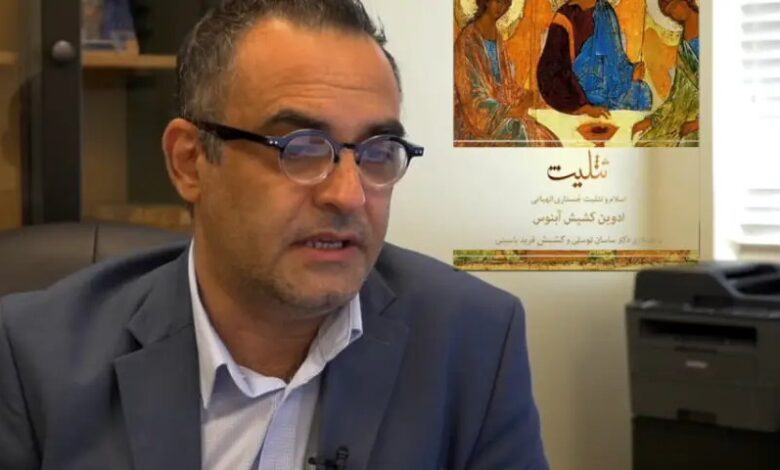
A shocking exposé by “Edwin Abonos” regarding Iran comes at a time when reports point to structural corruption, capital flight, and simultaneously a deep spiritual yearning amid social crisis.
CBN NEWS network, in one of its special programs, examined Iran’s complex and multilayered conditions and presented a concerning picture of the country’s economic, social, and spiritual situation; a picture that, despite its darkness, carries signs of a search for hope and meaning.
In this program, “Edwin Abonos,” executive director of the organization “A Heart for Iran,” referring to the widespread pressures that have been imposed on the Iranian people in recent years, said: “While vulnerable groups in society feel the pressure with their entire being and are devastated, the power holders—the officials of the authoritarian regime—grow wealthier by the day.”
According to this Christian activist, a combination of prolonged sanctions, domestic mismanagement, and social restrictions has created conditions where many citizens struggle with hopelessness and psychological exhaustion. In contrast, numerous reports from international media in recent years have shown that some of the ruling elite have transferred substantial assets out of the country.
Abonos added in this regard: “One of the major actions of officials has been diversifying their assets and transferring them out of the country to ensure their position is secure. They chant ‘Death to America’ while owning significant properties in America and the West, and their children live in luxurious mansions in Canada and the United States.”
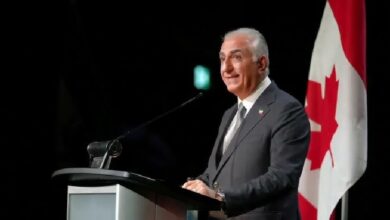
In another part of this discussion, Abonos referred to the activities of Iranians outside the country and considered it a sign of solidarity and hope. He said: “The gatherings and coalitions that have formed outside the country are promising and carry the message that they stand beside the people inside Iran.”
According to some analysts, the activities of Iranians outside the country in recent years (from human rights campaigns to efforts to attract the attention of Western governments) have played an increasingly prominent role in shaping global public opinion.
But perhaps one of the most important focuses of this program is addressing the spiritual and psychological condition of the Iranian people. Abonos, referring to contacts received from inside the country, emphasized: “Devastated and injured people are seeking answers. Interestingly, most of our contacts are based on trauma and psychological injuries. This is not merely the result of recent events, but the result of five decades of repression, and people are exhausted from every political and social perspective.”
Mental health experts have also repeatedly warned in recent years about increasing anxiety, depression, and a sense of instability in Iranian society, a phenomenon whose roots should be sought in the combination of economic pressures, social restrictions, and uncertainty about the future.
According to the director of the “A Heart for Iran” organization, the organization is striving to provide, in addition to evangelistic activities, a safe space for dialogue and receiving counseling; a space where individuals can speak about their pains and concerns without fear of judgment.
In this regard, cooperation with humanitarian projects such as Operation Blessing is also part of this approach. This project, which operates in various countries, including crisis-affected areas, seeks to meet the primary and urgent needs of the people.
Abonos said about this: “In Iran, despite spiritual yearning, some think Christianity is also meant to be a replacement for another dictatorship. Therefore, we must first gain their trust, listen to their pains, and address their physical and spiritual needs.”
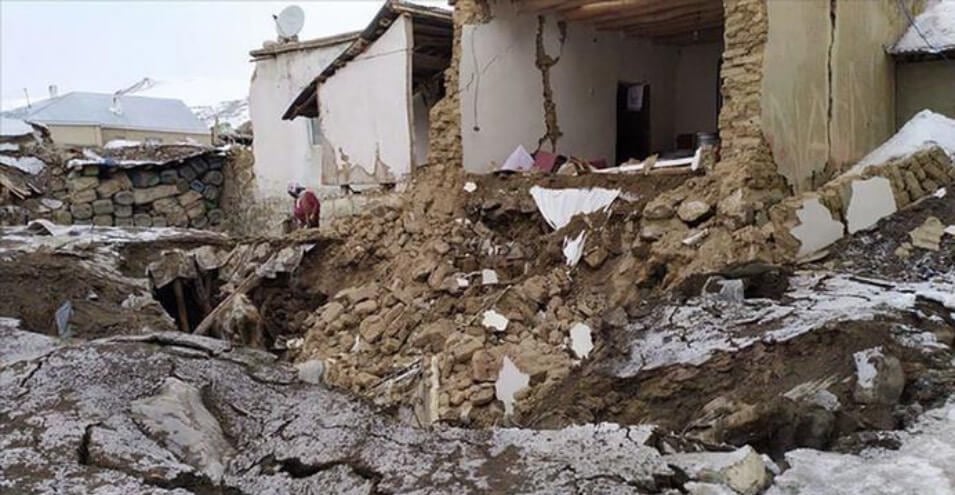
At the end of this conversation, he referred to an experience from the 2023 earthquake in Turkey; a place where the presence of Christian relief groups had a profound impact on people’s perception. According to him, some of the affected persons, upon witnessing these aid efforts, described them as a sign of the “true God,” an experience that demonstrates how practical service can transmit a message of hope and love beyond cultural and religious boundaries.
This report, overall, presents a dual picture of modern Iran: on one hand, a structure trapped in corruption, injustice, and chronic pressures, and on the other hand, a society thirsting for meaning, truth, and hope; a landscape that, according to many, could be the ground for deep human and spiritual transformations in the future.