South Korea’s Foreign Ministry Summons Iran’s Ambassador in Seoul
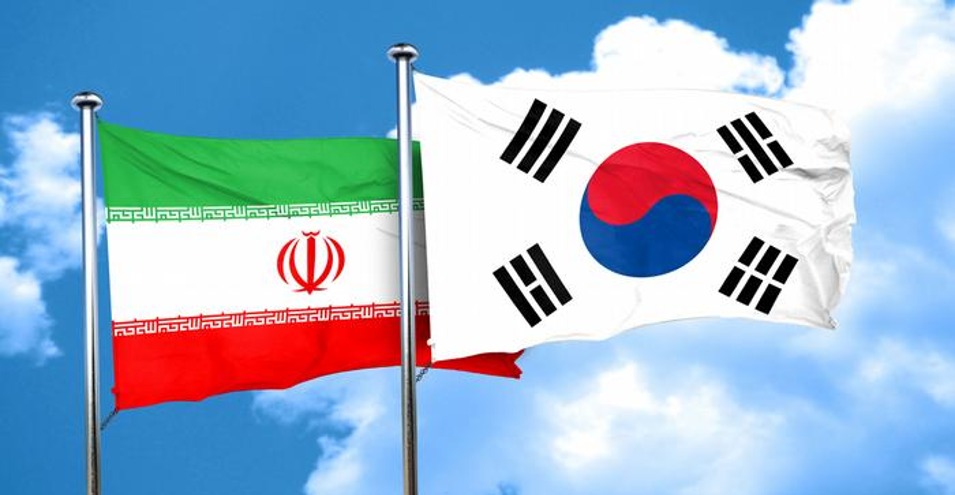
Following the publication of an article in the Kayhan newspaper proposing “closing the Strait of Hormuz to South Korean vessels,” Iran’s ambassador was summoned to South Korea’s Foreign Ministry. He stated that the newspaper’s content does not align with Tehran’s policies.
According to South Korea’s Yonhapnews Agency (YNA) on Monday, April 29 (April 18), the Deputy Foreign Minister of South Korea summoned Iran’s ambassador in Seoul. The reason for this action was the publication of an article in the Kayhan newspaper, which suggested that Iran should close the Strait of Hormuz to South Korean ships.
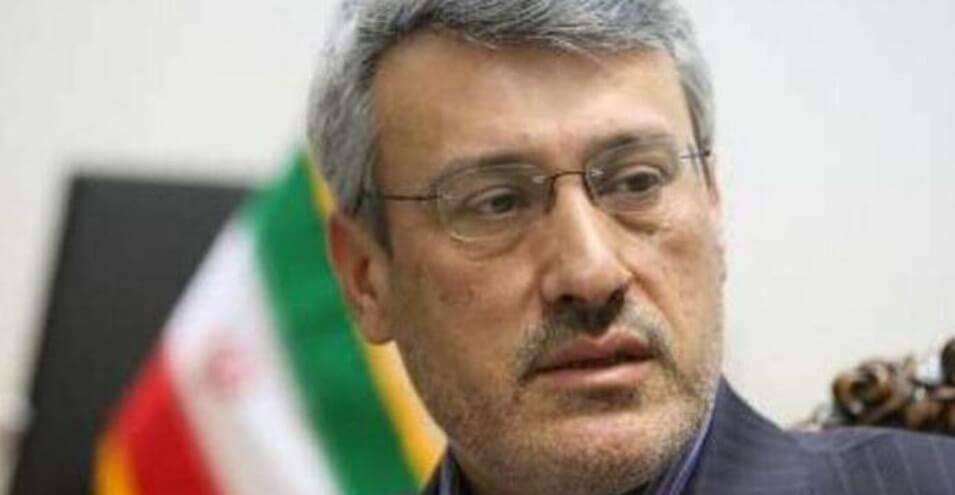
According to the news agency, Yeo Seung-bae expressed his government’s concerns to Saeed Bademchian Shebstari.
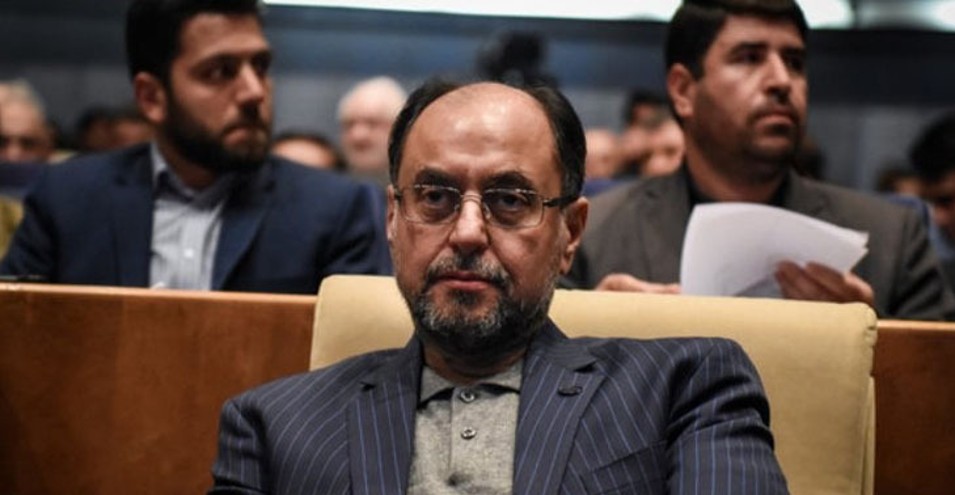
Hossein Shariatmadari, the editor-in-chief of the Kayhan newspaper, had written in the article: “Countries that have yielded to America’s extraterritorial sanctions law and pursued sanctions against the Islamic Republic should not be spared from the heavy consequences and costs of their backward action.”
Continuing by referring to the non-release of Iran’s blocked funds in South Korean banks, he stated: “We can and must close the Strait of Hormuz to South Korean commercial vessels and oil tankers, and all ships carrying goods for South Korea or loaded from South Korean ports.”
Yonhapnews reported that Iran’s ambassador, during his meeting with South Korea’s Deputy Foreign Minister, stated that the newspaper’s content does not align with Tehran’s official position.
Iran’s Blocked Assets in South Korea
Relations between Iran and South Korea became tense following the United States’ withdrawal from the JCPOA in 2018. It is reported that more than 7 billion dollars of Iran’s assets, resulting from oil sales, have been frozen in South Korean banks.
Yonhapnews reported last month that Seoul and Tehran would hold consultations to resolve long-standing disputes over blocked assets, and a working group would examine details of transferring Iran’s blocked assets in case of exemption from American sanctions.
Saeed Khatibzadeh, spokesman for the Islamic Republic’s Foreign Ministry, also announced on April 11 at a press conference that a senior delegation would travel to Tehran to address the release of Iran’s assets. He refrained from mentioning the country’s name and the amount of money to be released, but Iranian media had mentioned South Korea.
It remains unclear when and how Iran’s blocked assets in South Korea will be released, but speculation on this matter has increased due to the complexity of negotiations on returning to the JCPOA.
Source: DW