US Sanctions Six Iranians and One Iranian Company for Interference in 2020 Elections
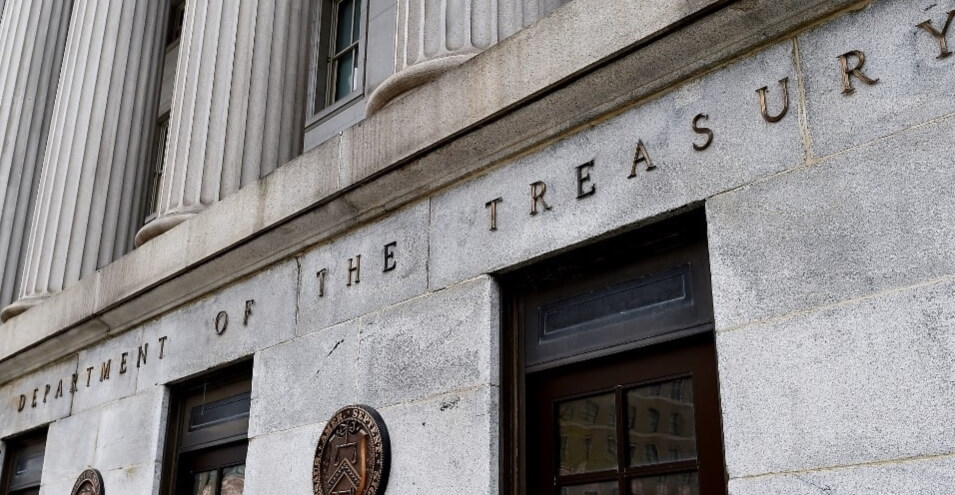
The U.S. Department of Treasury sanctioned six individuals and one company belonging to Iranian nationals on Thursday, November 18, for allegedly disrupting the last presidential election and attempting to undermine voters’ confidence in the American electoral system.
In addition, indictments were filed against two of these individuals, who are in their twenties, in New York court.
The Office of Foreign Assets Control (OFAC) in the U.S. Department of Treasury announced that the sanctioned individuals were “pawns” of the Islamic Republic of Iran for influencing and undermining the American elections.
According to the report, the U.S. has identified cyber intrusions by state-sponsored actors, including Iranian operatives.
OFAC stated that the aforementioned company and six sanctioned individuals, over a four-month period between August 2020 and November 2020, coinciding with the peak of the U.S. presidential election campaign, advanced their objectives online.
According to the report, the individuals were able to access or attempt to access accounts of some American media outlets and 11 government websites, and in any case, could edit the content of these accounts in at least one state where the accounts contained information on hundreds of thousands of voters. The FBI later revoked this access from the cyber attackers.
Based on OFAC’s statement, these individuals and the sanctioned company, among other activities, disseminated false information and sent videos with fabricated content and threatening emails to voters.
The video with fabricated content claimed that the American electoral system was broken in such a way that it could not detect fraudulent votes. Threatening emails were sent to an American far-right group called “Proud Boys,” who were supporters of Donald Trump.
The company sanctioned by the U.S. Department of Treasury, “Amennet Pasargad,” was identified because, according to OFAC, it “directed” online interference and sabotage operations.
OFAC emphasized that the employees of “Amennet Pasargad” previously operated another company called “Netpigerd Semavat,” which was previously sanctioned by the U.S. due to its connection with the cyber unit of the Islamic Revolutionary Guard Corps, but they changed the company name.
The six sanctioned individuals are identified as: Seyyed Mohammad Hossein Musa Kazemi, Sajad Kashian, Mostafa Sarmadi, Seyyed Mehdi Hashemi Taghral Jardi, Hossein Akbari Nodeh, and Mohammad Bagher Shirinkar.
The activities of two of the six Iranian-origin individuals sanctioned by the Department of Treasury were deemed more severe, and consequently, indictments were filed against them in court. The two are Seyyed Mohammad Hossein Musa Kazemi, 24, and Sajad Kashian, 27.
They may face 15 to 20 years in prison. It is unclear whether the two defendants are currently in U.S. custody or where they are located. However, it has been emphasized that their residence is in Iran and their activities were directed from Iran.
With OFAC sanctions, all assets and bank accounts of the sanctioned individuals and companies are blocked, and American citizens or companies and even international entities are prohibited from business and financial dealings with the targeted individuals and companies.
From the U.S. Department of Treasury report, it appears that the indictment filed against the two defendants could become even more severe, as the department has requested anyone with knowledge of these two individuals’ activities to provide credible and important information and receive a $10 million reward.
The U.S. State Department has long approved significant monetary payments through a program called “Rewards for Justice,” aimed at obtaining information from dangerous criminals.
U.S. Secretary of State Antony Blinken said on Thursday in this regard, “Sanctioning Iranian cyber actors has demonstrated that the Department of Treasury, State Department, and FBI, in a collective effort, took decisive action against those seeking to interfere with the integrity of American elections.”
Wally Adeyemo, Deputy Secretary of the U.S. Department of Treasury, also said the department would continue to counter efforts aimed at compromising the integrity of American elections.
The Joe Biden administration, in its second month in office, reported that Iran and Russia interfered in the November 2020 U.S. elections.
At that time, Alireza Miryousefi, spokesman for Iran’s Mission to the United Nations in New York, claimed on his Twitter page that “unlike the U.S., Iran does not interfere in the elections of other countries.”
Source: Radio Farda