Prince Reza Pahlavi in Interview with Voice of America: Pursue Policy of ‘Maximum Pressure’ on the Regime and ‘Maximum Support’ for the Iranian People
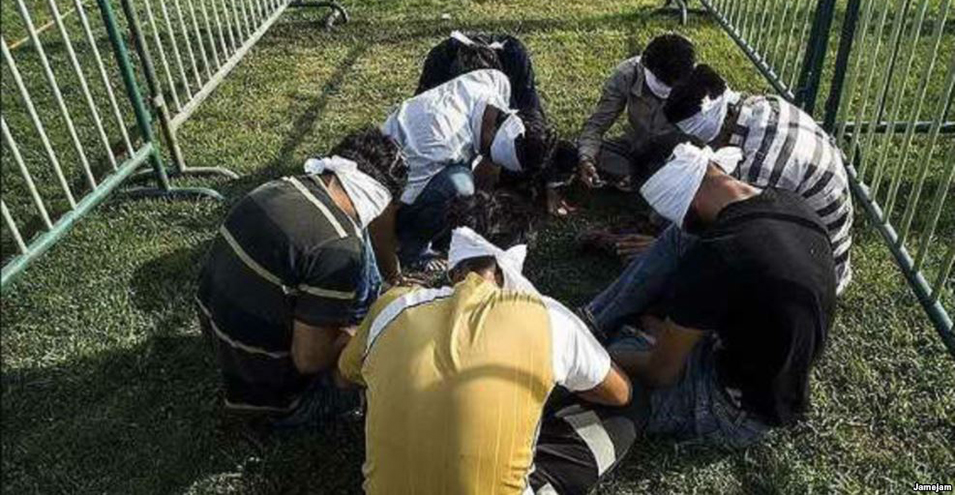
Prince Reza Pahlavi, referring to the death of Sasan Niknafs, a political prisoner in Iran, considered the efforts of “free and freedom-loving Iranians” as a reflection of “the stifled voice in the throat of the Iranian people” and said he seeks to pursue a policy of maximum pressure on the Islamic Republic regime and maximum support for the Iranian people.
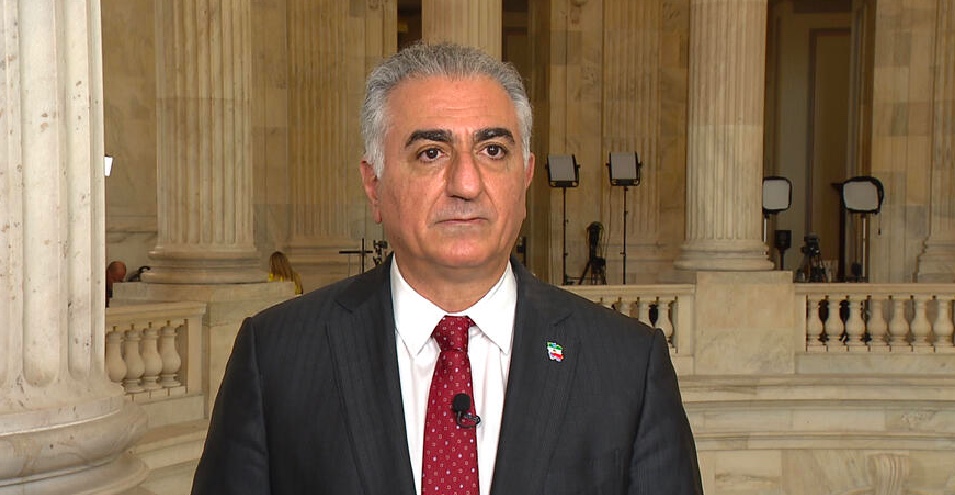
Prince Reza Pahlavi in an exclusive interview with Cambiz Tavaana from the “Farsi Service of Voice of America” which took place on Wednesday, June 9 in the U.S. Senate, also regarding the discussion of election boycott, stated that even those who were once part of this system have come to the conclusion that elections must be boycotted.
The full text of this interview follows.
Voice of America: In December 2018 when I interviewed you, it was a few days after the death of Vahid Sayyadi Nasiri in Islamic Republic prisons. That day you said that the freedom-loving movement of the Iranian people will bear fruit and the name of Sayyadi Nasiri will be inscribed in textbooks. Today too, it is a few days after the death of Sasan Niknafs, another political prisoner. What are your feelings about the death of these youth and your assessment of the efforts of Iranian freedom-lovers?
Prince Reza Pahlavi: It shows that every free and freedom-loving Iranian – whoever they may support as a system – with all courage and at the highest cost, and some even losing their lives, are today expressing the stifled voice in the throat of the Iranian people, and this can only be an incentive and a model for others because, unfortunately, freedom does not come easily and truly has a price. But one should remain hopeful that with such determination and effort and most importantly, unity and solidarity, ultimately the common enemy can be defeated. The memory of these dear ones who lost their lives in the path of freedom will fill the pages of our country’s history and will be a lesson and a model for future generations of the country.
Voice of America: You are actively involved in the “No to the Islamic Republic” campaign and your position regarding elections has been and is boycott. But this year it seems that the boycott of elections is being pursued more seriously. What is your view on the current situation and the election boycott movement in Iran?
Prince Reza Pahlavi: Compatriots who have followed me for more than two decades know my position on elections, or better to say “appointments,” well. In my opinion, it is beneath the dignity and honor of a person that when their vote does not count and has the slightest importance, to become a tool of a regime that wants to claim legitimacy based on people’s participation in fraudulent “appointments.” That’s why from day one I opposed any participation in elections because it made no difference. And finally today, many people, including those who themselves were part of this system until recently, have also come to the conclusion that these elections must be boycotted. We question the entirety of the regime. It is no longer about worse or better, or reformist and hardliner. Or as they say themselves, “it is finished, the matter is over” and we must move beyond the Islamic Republic.
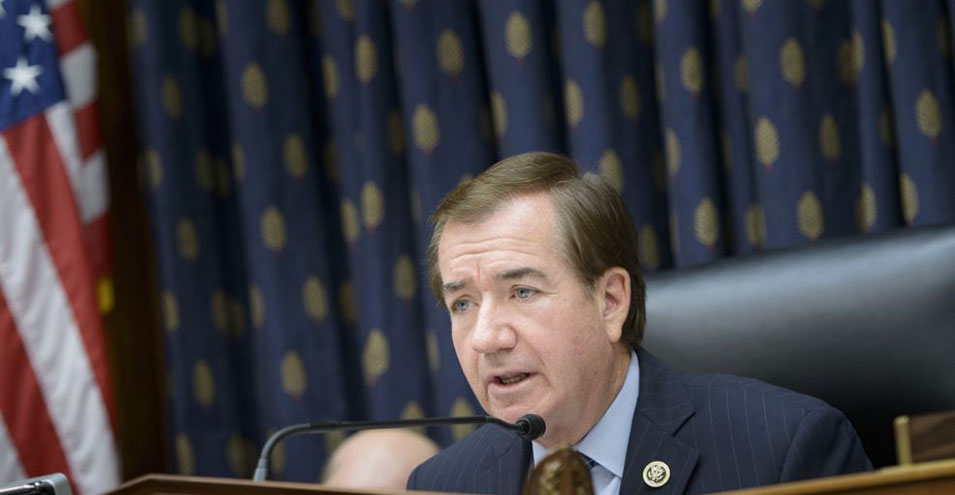
Voice of America: You just came from meetings with some senators and are speaking with us in the Senate building. What is your view on current negotiations to revive the JCPOA and return to the nuclear agreement? Do you support opening more space for diplomacy with Iran and reducing sanctions, or do you think the campaign of maximum pressure should be pursued?
Prince Reza Pahlavi: My constant goal in conveying my compatriots’ voice to the ears of the world has always been to let them know that the Iranian people expect moral support and even beyond from the free world and especially from Western democracies. Therefore, any discussion in this regard and support for the Iranian people is what our compatriots expect. Of course, and regarding America, as you know, they were pursuing a policy of maximum pressure as foreign policy. My message today to Senator Marco Rubio and other political figures whom I see is that simultaneously with this maximum pressure, you introduce a new factor into the scene, and that is maximum support. Because it is support for the people that will be the factor of change, not just pressure on the regime. Especially when most of the world so far believed that this pressure would cause behavioral change in this regime. Whereas I said from day one that the nature of this regime is such that if it stops its activities like terrorism, interference in neighboring countries, and other activities, it is no longer the Islamic Republic and you have a false expectation. Instead, you can have expectations from a people who in their goals and desires pursue the same values that you have in your world; such as human rights, equality, freedom of speech, free elections, and such things.
Voice of America: As a final question and if I understand your meaning correctly, you support a campaign of maximum pressure against the Iranian government and a campaign of maximum support for the Iranian people?
Prince Reza Pahlavi: In my opinion, no Iranian is unaware that when dealing with a regime that shows no mercy to its own people, engages in suppression, torture and executions, a strong approach must be taken against this type of regime from beyond our borders by a compassionate world – if they truly are. But that alone is not enough. It helps to tie the hands of the regime so it cannot do whatever it wants in Iran or elsewhere, but support for the people in the meantime is also necessary. The people want this and expect it, and of course the regime there has always tried to say this is interference in our internal affairs; but have you not interfered in the internal affairs of other countries so much that now you want to blame others for it? As we say, “the pot calls the kettle black.”
Source: Voice of America