Argentine Judge Seeks Extradition of Ali Akbar Velayati, Khamenei’s Adviser
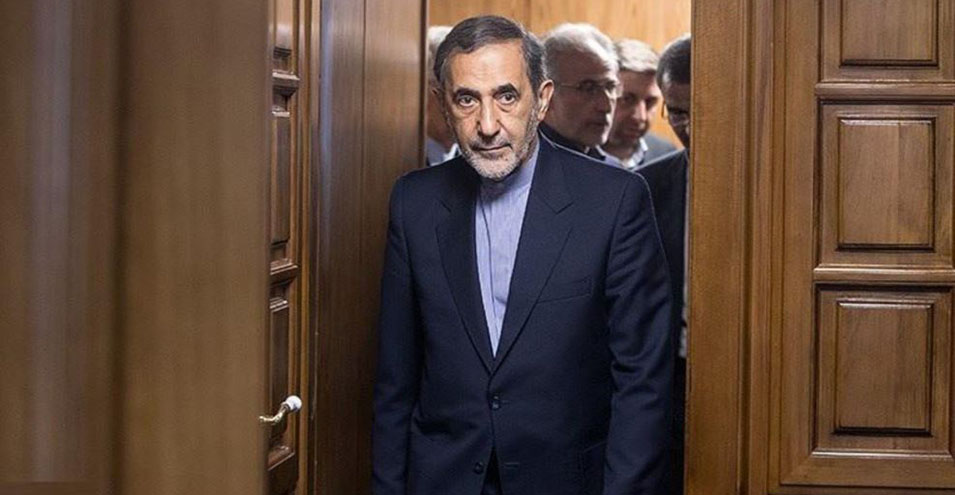
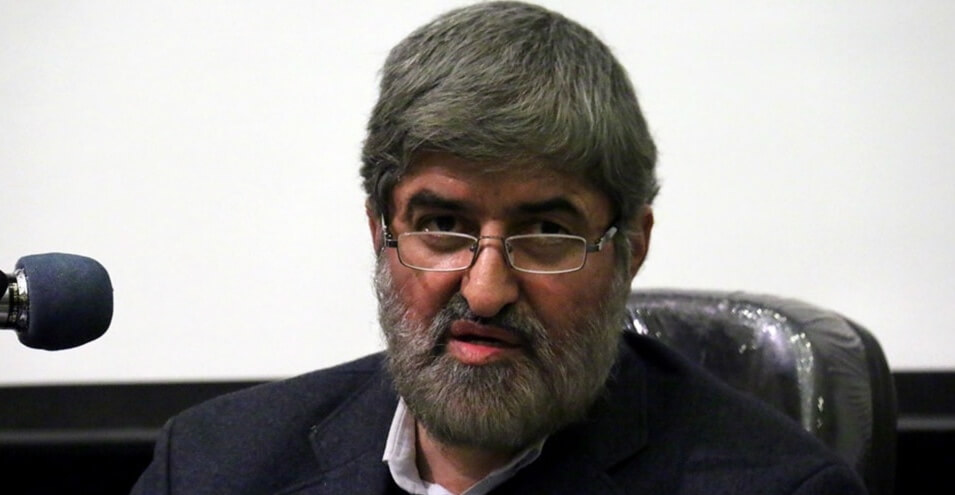
An Argentine judge has made requests to several countries for the extradition of Ali Akbar Velayati, Iran’s former foreign minister and current adviser to Ayatollah Ali Khamenei. He is pursuing Velayati on charges of involvement in the Buenos Aires bombing.
Rudolfo Caniokuba issued an arrest warrant for Ali Akbar Velayati, Iran’s former foreign minister, on charges of participating in the bombing of the Jewish center in Buenos Aires, the capital of Argentina, and has asked Iraq to extradite him to Argentina.
Ali Akbar Velayati traveled to Baghdad on Wednesday to participate in the Islamic Awakening Assembly, and the Argentine judge, based on a report from United Press International about Velayati’s trip, has asked the Iraqi government to arrest him to initiate extradition proceedings.
The Argentine government also made a similar request to Singapore and Malaysia last July when Velayati traveled to those countries.
According to Reuters, Ali Akbar Velayati’s name is on the Interpol wanted list.
In 1994, a bombing at the Argentine Jewish mutual aid center known as AMIA killed approximately one hundred people, and Iran was quickly accused of planning and facilitating the explosion.
According to Argentine judicial authorities, Hezbollah in Lebanon carried out the explosion on the orders of Iranian officials.
Following these claims, Interpol issued arrest warrants for nine Iranian officials, including Akbar Hashemi Rafsanjani, the then-president.
Other individuals still under pursuit include Ali Fallahian (former intelligence minister of the Islamic Republic), Mohsen Rezaei (former commander-in-chief of the Islamic Revolutionary Guard Corps), Ahmad Reza Asghari (former third secretary of the Islamic Republic of Iran’s embassy in Argentina), Ahmad Vahidi (former commander of the Quds Force of the Islamic Revolutionary Guard Corps), and Mohsen Rabani (former cultural attaché of the Islamic Republic of Iran’s embassy in Argentina).
Iran denies any involvement in the bombing and says the accusation is false.
Last year, Alberto Nisman, the Argentine prosecutor who was investigating the case, was killed one day before he was to testify against the then-president of the country and present evidence about the government’s cover-up of the case, bringing the matter back into media focus.
Argentina’s former president signed an agreement with Iran in 2013 to investigate the AMIA case by establishing a joint truth-finding committee, but Mauricio Macri, Argentina’s new president, canceled the agreement.
Source: Voice of America