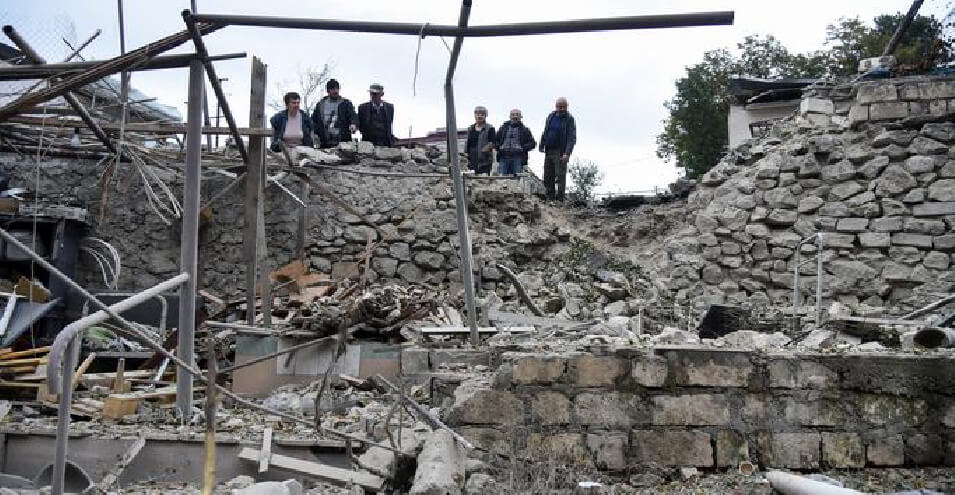
World Bank Prediction: 200 Million Internal Migration by 2050 Affected by Climate Change
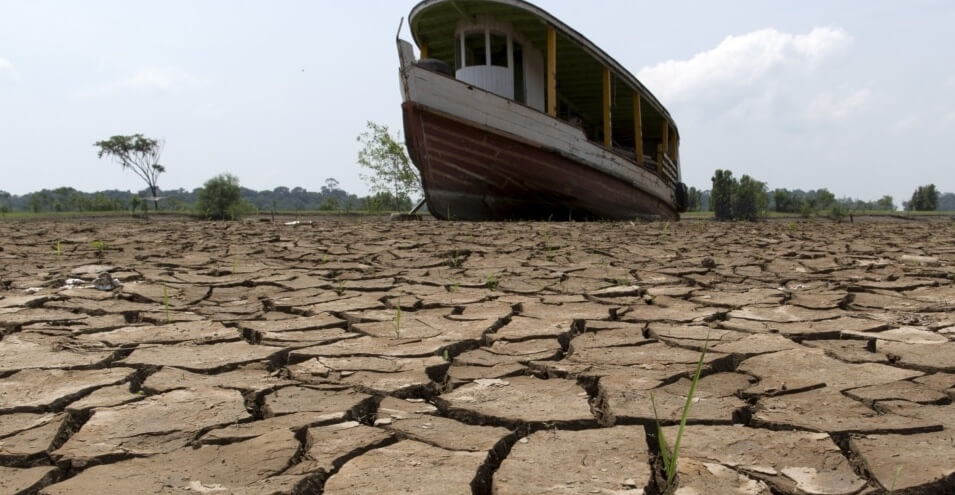
World Bank research, whose results were released on Monday, September 12, showed that if greenhouse gas emissions and the development gap between wealthy and poor countries are not reduced, approximately 200 million people will migrate by 2050.
In the second part of the “Groundswell” research report, the gradual consequences of climate change worldwide have been examined, including the reduction of water resources, decreased fertility and productivity of agricultural lands, rising sea levels, and their impact on internal migration within countries.
This research considered three different scenarios in line with the intensity of climate change over the next three decades.
In the most pessimistic scenario, which is the result of severe increase in greenhouse gas emissions and unequal development of countries worldwide, approximately 216 million people will migrate within their own countries’ borders. The majority of this phenomenon will occur in Latin America, throughout Africa, Eastern Europe, Central Asia, South Asia, East Asia, and Oceania.
In the most optimistic scenario, which is the result of a significant reduction in greenhouse gases and an equitable and inclusive development process globally, the migration figure will be reduced to approximately one-fifth, about 44 million people.
In this research, short-term and case-specific consequences of climate change, including severe weather phenomena, were not examined.
One of the coordinators of this report and senior climate change expert at the World Bank said: “The results of this research clearly demonstrate the severe impact of climate conditions on internal migration.”
This research shows that the highest rate of internal migration will occur in the southern half of the American continent, which will suffer more than other parts of the world from forest destruction, vulnerability of coastal areas, and the dependence of people’s livelihoods on local agriculture. In the most pessimistic scenario, the number of migrants in this part of the world could reach 86 million people.
However, if we consider the percentage of migrants relative to the population of each region of the world, the highest migration rate due to climate change will occur in North Africa and countries such as Tunisia, Algeria, and Morocco, and may reach approximately 9 percent of the population.
This research predicts that in South Asia, Bangladesh will suffer the most from flooding and reduced productivity of agricultural lands, with approximately 19 million migrations more than any other country.
Professor Martin van Aalst, head of the Red Cross and Red Crescent Climate Center, told the Associated Press: “This is a reality that humanity faces, and our concern is that poor countries will suffer the most.”
In this research, migration between different countries or continents was not examined. According to one of the researchers of this study, usually 75 percent of migrations occur within borders.
Experience has shown that vulnerable populations or communities suffering from military conflicts or poverty usually have fewer resources to adapt to the consequences of climate change and are forced to migrate to other countries.
This research emphasizes that over the next three decades, new centers of significant migration will emerge in different parts of the world. In order to help migrants who migrate to these centers as well as individuals who have not been able to migrate and remain in affected areas, necessary planning must be carried out.
World Bank experts emphasized that if necessary measures to control climate change, including reducing the consumption of fossil fuels, especially in the coming decade, are not taken, the occurrence of the pessimistic scenario is quite likely.
Source: Radio Farda