Skin Cancer: ‘Complete Treatment of 20 Percent of Patients with Two New Drugs’
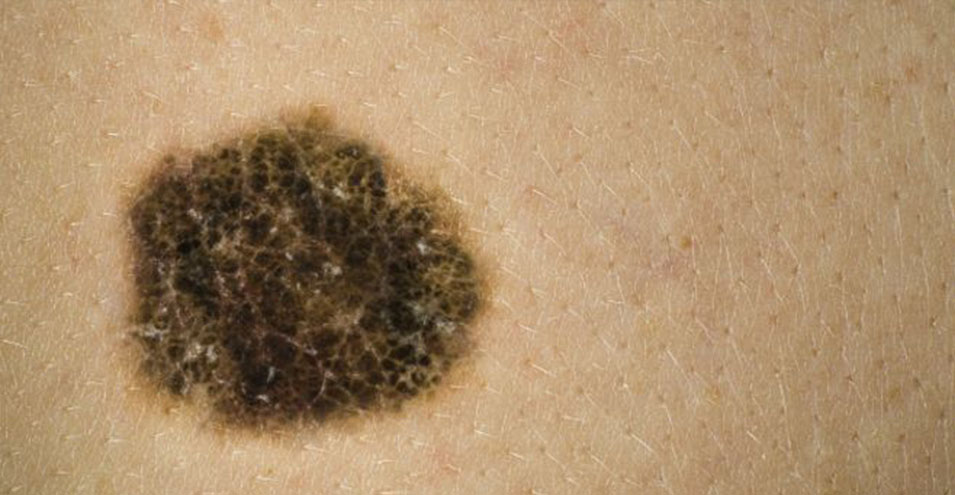
A study shows that after treatment with two immunotherapy drugs, no signs of tumors are seen in one-fifth of people with advanced melanoma.
Initial data on the simultaneous use of ipilimumab and nivolumab in a group of 142 patients showed that 69 percent of them were still alive after two years.
British doctors who have conducted these treatments describe the results as “very encouraging.”
Melanoma is the most dangerous type of skin cancer and the sixth most common cancer in Britain, killing more than two thousand people annually in the country.
Data from another study on treating melanoma with a drug called pembrolizumab, made by Merck, also shows an increase in patient survival.
This drug also works by removing the brakes of the immune system to attack cancer cells.
The initial results of these experimental treatments, published in the Journal of the American Medical Association, showed that one-third of patients lived for 12 months without signs of tumor appearing.
This study was conducted by doctors at Royal Marsden Hospital in London.
The Importance of Drug Combination
The immune system provides powerful defense against infection. However, many “brakes” are designed within this system to prevent attacks on the body’s own tissues.
Cancer—which is a defective sample of healthy tissues—can use these brakes to avoid attack by the immune system.
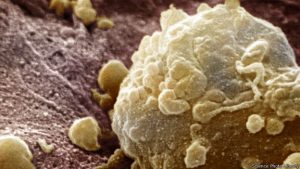
Ipilimumab and nivolumab are designed to remove these brakes.
Both have become standard treatment for melanoma, but most researchers believe that their combination is fundamentally important.
This experimental treatment showed that the survival rate of patients two years after taking only ipilimumab was 53 percent and the tumor did not completely disappear in any of the patients.
The survival rate for those who used both drugs was 69 percent after two years, and moreover, signs of cancer completely disappeared in 22 percent of them.
However, more than half of the patients experienced severe and sometimes very dangerous side effects that caused treatment to stop.
Although this class of new drugs leads to stunning results in some patients, it can cause side effects because it affects the entire immune system of the body.
However, British scientists are now testing a method that only manipulates those immune cells that attack cancer. That is, the rest of the immune cells remain untouched.
Source: BBC Persian