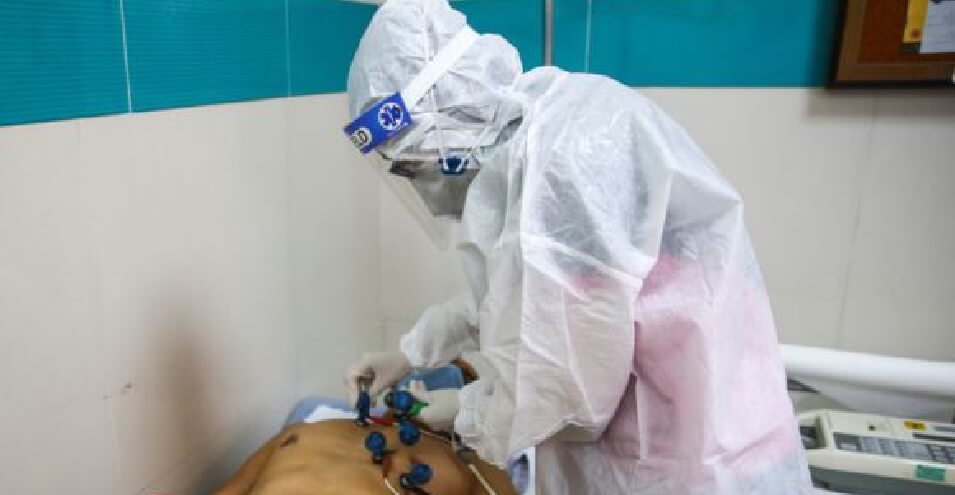
Iranian regime continues to ignore dangerous conditions of prisoners during COVID-19 pandemic; Farhad Meysami, political prisoner, infected with COVID-19
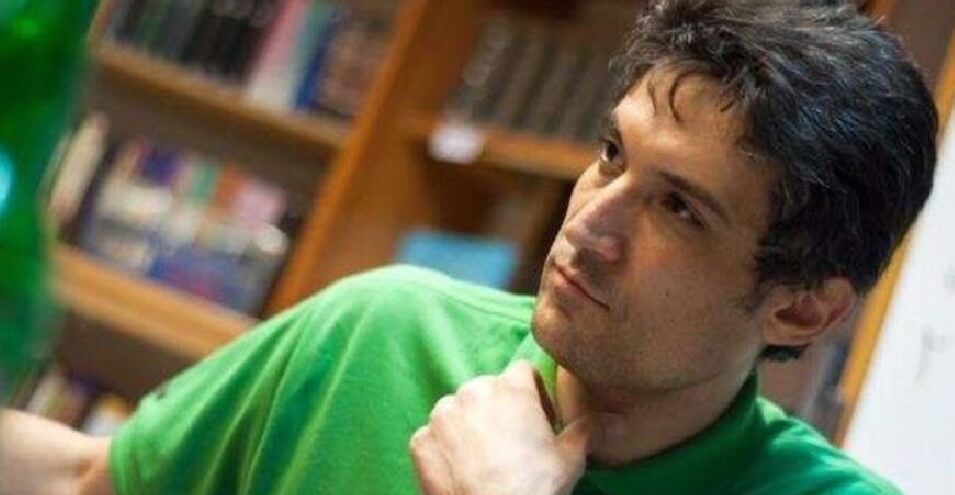
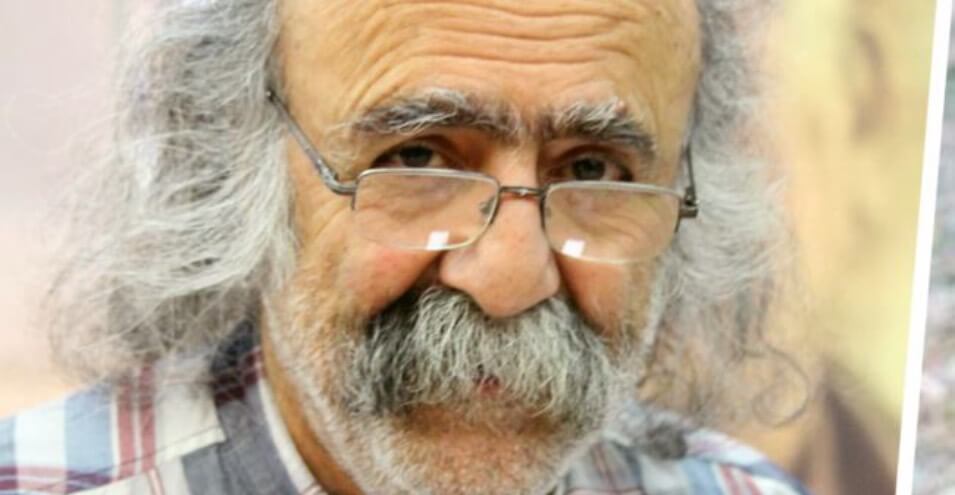
As the US State Department spokesperson warned about the dire prison conditions in Iran and called for the release of political prisoners, reports indicate that Farhad Meysami, a physician and political activist, is another person who has contracted the coronavirus in prison in Iran.
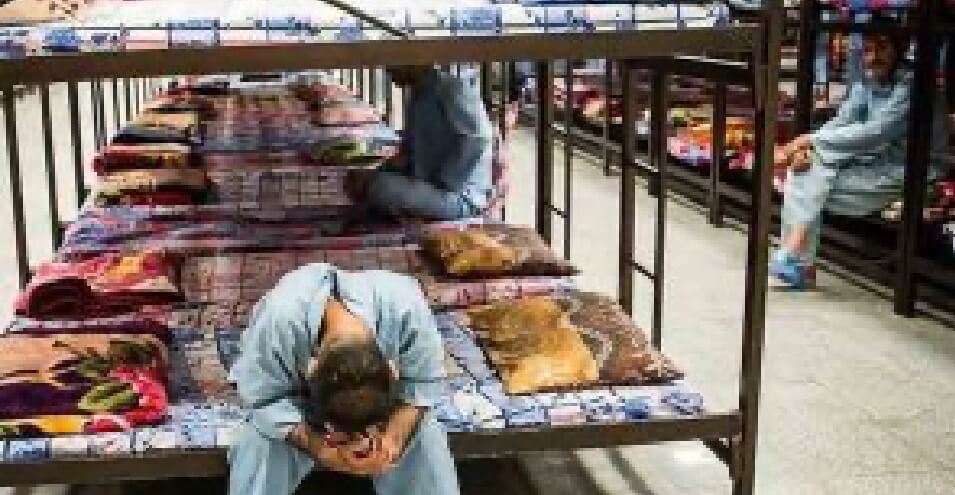
"The United States is concerned about the worsening COVID-19 situation in Iran, and we reiterate the assistance we first offered in February," State Department spokeswoman Morgan Ortagus said in a tweet on Tuesday, October 5. "We call on Iranian authorities to immediately release all political prisoners from overcrowded and unsanitary prisons, as requested by the UN Human Rights Council."
A source close to Mr. Meysami's family confirmed the news to VOA, stating that after Mr. Meysami contracted COVID-19 in Rajai Shahr Prison in Karaj, he was transferred to a so-called "safe room" this morning. According to this informed source, no information or details are available about this so-called "safe room."
Meanwhile, Zia Nabavi, a former political prisoner, wrote on her Twitter page on Tuesday, October 5, quoting Mr. Meysami that he "felt like a loss of appetite last week, but is feeling fine now."
Farhad Meysami, a 48-year-old civil activist and imprisoned physician, was arrested on August 29, 2018, at his workplace for wearing a pin (also known as a “pixel”) with the slogan “I do not agree with compulsory hijab,” and remains in detention. After Mr. Meysami’s arrest, Iranian judicial authorities charged him with gathering and colluding against national security, propaganda against the system, and spreading and promoting corruption, prostitution, and lack of hijab in society – commonly referred to as “bulk charges.”
Amnesty International has previously stated that Iranian authorities should immediately and unconditionally release Farhad Meysami.
The coronavirus test of journalist Nejat Bahrami, who is imprisoned in Evin, has also been announced as positive.
A source close to the imprisoned journalist's family told VOA that on Wednesday, October 6, in a brief call that Nejat Bahrami had with his family from Evin Prison, he announced that he had been transferred to Taleghani Hospital in Tehran and had undergone a series of tests, including blood tests and a lung scan, and that his coronavirus test result had been declared positive.
Nejat Bahrami, a journalist and media activist, was sentenced to one year in prison and two years of ban from political and social activities by a lower court in late August 2019 on charges of "propaganda against the system." This sentence was confirmed on April 14 by Branch 36 of the Tehran Provincial Court of Appeal and put into effect on Monday, May 19.
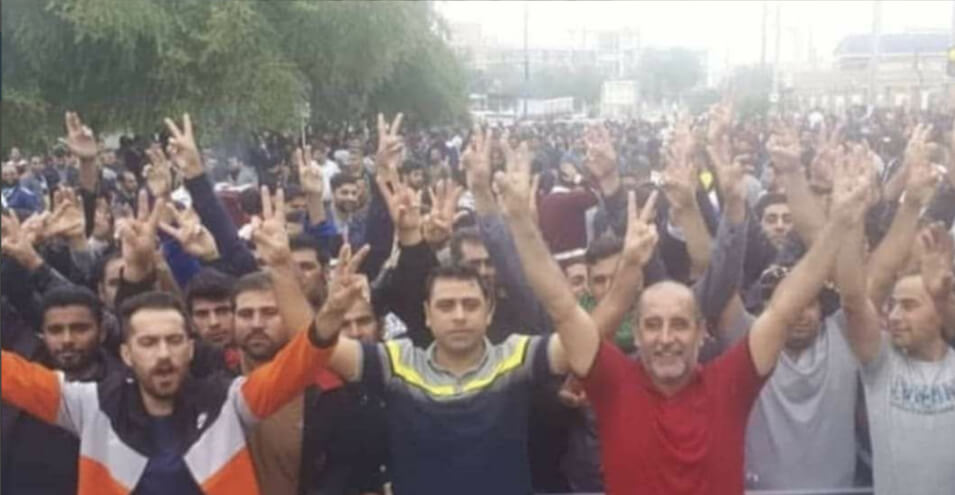
In recent years, the Islamic Republic has carried out widespread arrests and issued heavy sentences against civil rights activists, human rights activists, women's rights activists, workers, and teachers in Iran.
But this is not the first time that political and ideological prisoners have contracted the coronavirus while incarcerated. Not long ago, Narges Mohammadi, a civil rights activist imprisoned in Zanjan Prison, announced in a letter that she and a number of other prisoners had contracted the coronavirus and that there were no medical and health facilities. This caused Iranian users to create a Twitter storm by posting messages with the hashtag #torture_with_corona.
Hengameh Shahidi, a journalist imprisoned in Evin Prison, was also transferred to the Evin Prison hospital on Saturday, March 1, after her condition deteriorated and she developed symptoms of coronavirus. The infection of Amir Hossein Moradi, one of the detainees in the November protests, with the virus in Fashafoyeh Prison had also previously been reported in the media.
As the widespread spread of the coronavirus continues in Iran, concerns among families of political and ideological prisoners about the lack of facilities and health care in Iranian prisons have increased.
The US State Department has repeatedly and on various occasions condemned the violent confrontations and widespread repression of protesters, the repeated and ongoing violations of the rights of Iranian citizens, and the ongoing cover-ups by the ruling regime in that country.
Source: Voice of America