18-Year-Old Student Shaqayeq Afshar-Nejafi Sentenced to 9 Years in Prison in Qazvin
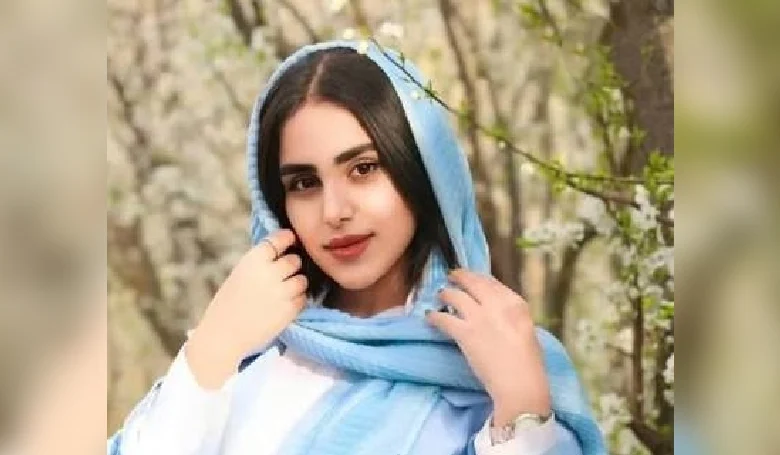
Shaqayeq Afshar-Nejafi, an 18-year-old photographer and student from Qazvin, has been sentenced to 9 years in prison on charges including “assembly and conspiracy against national security” and “collaboration with hostile states,” with 5 years of the sentence being enforceable. The ruling also includes a ban on leaving the country and confiscation of her personal devices.
Shaqayeq Afshar-Nejafi, an 18-year-old photographer, artist, and student residing in Qazvin, has been sentenced to a total of 9 years in prison according to reports published by human rights sources, following a ruling by the Second Branch of the Qazvin Revolutionary Court. Under the criminal sentence aggregation provisions, 5 years of the sentence will be enforceable. An English-language report by human rights organization Hengaw, released on August 8, 2026, confirms details of this ruling.
According to published reports, the court has sentenced Shaqayeq not only to imprisonment but also to two years of travel ban from Iran, six months of unpaid public service for Qazvin Municipality, and permanent deprivation from employment in public and government positions. Additionally, an order has been issued for the confiscation of her mobile phone, SIM card, and laptop on behalf of the state.
The charges against this teenager include 5 years imprisonment for “assembly and conspiracy against national security,” 3 years imprisonment for “collaboration with hostile states,” and 1 year imprisonment for “propaganda against the system.” According to Hengaw’s report, the third charge is related to her activities on social media platforms, support for Israel, and sending images and videos to the Iran International network.
Published reports indicate that a report from the IRGC Intelligence Organization and claims of Shaqayeq Afshar-Nejafi’s participation in December protests were among the evidence the court relied upon in issuing the sentence. Gonaz TV, citing the same report, identified her alleged participation in December protests and the IRGC intelligence report as among the factors the court relied upon.
Shaqayeq Afshar-Nejafi was arrested at her home on February 14, 2026 by security forces. She was initially transferred to a detention facility operated by the Information Bureau and was moved to Choobindar Prison in Qazvin one day later. The human rights organization Hengaw has also reported that after some time, she was temporarily released on a bail of 1.5 billion tomans until the conclusion of her legal proceedings.
Ultimately, under the implementation of the criminal sentence aggregation law, only 5 years of her total prison sentences will be enforceable, and the time she previously spent in detention will be deducted from these 5 years.
The case of Shaqayeq Afshar-Nejafi once again draws attention to the situation of students and young people who, following protests and protest activities, have faced security cases and heavy judicial sentences. What makes this case particularly striking is the young age of this citizen and the breadth of penalties imposed on her—ranging from 5 years of enforceable imprisonment to travel bans from the country, mandatory public service, permanent deprivation from government employment, and confiscation of personal belongings.
The publication of this ruling also demonstrates that charges related to national security and “collaboration with hostile states” continue to serve as the basis for issuing heavy sentences against young citizens in Iran. In Shaqayeq Afshar-Nejafi’s case, published reports show that protest activities and photographic and video content were also cited in the proceedings of her case.
This case currently presents, more than anything, an illustration of how the judicial system of the Islamic Republic deals with an 18-year-old student who now faces 5 years of enforceable imprisonment and a series of social and civic restrictions—a ruling that human rights organizations are monitoring as part of the broader crackdown on protesters and young activists in Iran.