Death Sentence Issued for Hovsepian-Mehr, Animal Rights Activist
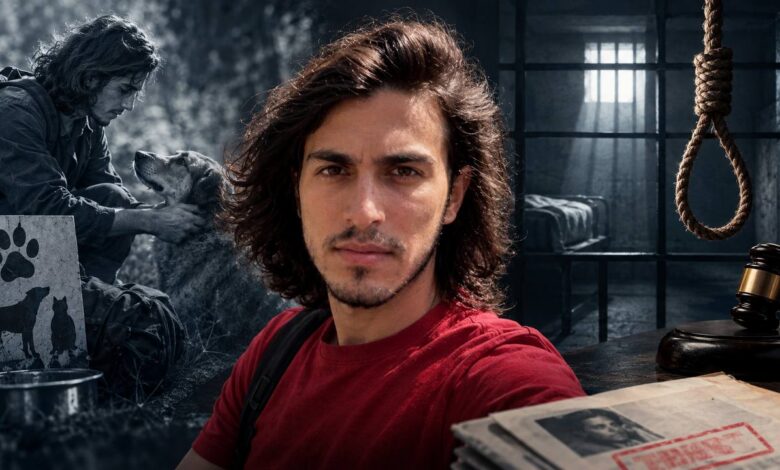
Hovsepian-Mehr, a 22-year-old citizen, artist, and animal rights activist, has been sentenced to death by the Revolutionary Court of Karaj, while reports indicate months of solitary confinement, hunger strikes, and severe pressure during his detention. He has rejected the espionage charges against him.
According to human rights organizations, the Second Branch of the Revolutionary Court of Karaj, headed by Mehdi Sabzvarnezhad, known as Sabzvari, and with the presence of Mehdi Razavi, has sentenced Hovsepian-Mehr to death on charges of “moharebeh” (enmity against God) and “espionage.” The sentence was announced on Saturday, October 16, 2026 (25 Mehr 1405), at Karaj Central Prison.
Hovsepian-Mehr was arrested on May 14, 2026 (24 Ordibehesht 1405), during a raid by security forces on his family home, in connection with developments stemming from the 40-day conflict between Iran, the United States, and Israel. According to human rights sources, agents searched the house for approximately three hours and confiscated his personal belongings, including his laptop.
According to reports by Hengaw, Hovsepian-Mehr spent more than 120 days in solitary confinement after his arrest. He was again transferred to solitary confinement from September 29 to October 29, 2026 (8 Shahrivar to 8 Mehr 1405), and went on a hunger strike in protest of his detention conditions.
Published reports also indicate a history of suicide attempts during his detention, a matter that heightens concerns about the mental and physical health of this young prisoner and raises questions about the prison authorities’ responsibility in protecting his life.
These conditions underscore the necessity of clarifying his health status, ensuring effective access to legal counsel, and enabling contact with his family. Prolonged solitary confinement and deprivation of fair trial guarantees, if confirmed, constitute serious violations of prisoners’ rights.
According to supplementary reports by Hrana and other human rights sources, among the allegations against Hovsepian-Mehr is the transmission of images from areas damaged during military attacks. Reports indicate that judicial authorities examined these actions within the framework of espionage charges; however, Hovsepian-Mehr has rejected this accusation.
Charges such as espionage and moharebeh can result in the most severe penalties. For this reason, careful examination of case documentation, the defendant’s effective right to defense, and access to independent legal counsel are of vital importance. Publicly available information to date is insufficient for an independent assessment of all evidence and the manner of judicial proceedings.
The issuance of a death sentence for a 22-year-old in a case where complete details of evidence are not accessible to the public, and the defendant rejects one of the principal charges, raises serious concerns about the transparency of judicial proceedings and guarantees of fair trial.
The issue extends beyond the sentence itself; detention conditions, reports of physical and psychological pressure, prolonged periods of solitary confinement, and a history of suicide attempts must also be independently investigated. Judicial authorities must ensure effective access to legal defense, fair proceedings, and protection of the prisoner’s health and life.
The case of Hovsepian-Mehr once again underscores the necessity of halting the execution of death sentences in security-related cases until evidence has been transparently and independently reviewed. In a case with such irreversible consequences, judicial accountability and respect for the defendant’s rights must not give way to ambiguity and lack of knowledge.